
“Premenstrual syndrome, or PMS,
is a group of physical and emotional symptoms
that start one to two weeks before your period”.1
Umbrella
What may the Premenstrual Syndrome (PMS) Umbrella include?
Depending on the Source (DotS) this Umbrella may include:
- Premenstrual Dysphoric Disorder (PMDD)
- Premenstrual Mood Changes
- Premenstrual Syndrome (PMS)
- Premenstrual Tension (PMT)
Premenstrual Syndrome
What is premenstrual syndrome (PMS)?
DotS the definition of PMS may vary. The American College of Obstetricians and Gynecologist’s (ACOG) definition is:
The (Australian) Jean Hailes for Women’s Health’s (JH) definition is:
The (United States) Medline Plus’s definition is:
PMS Symptoms
What are some PMS symptoms?
In Premenstrual Syndrome (PMS): Symptoms & Causes – Symptoms the (United States) Mayo Clinic reassure:
In Premenstrual Syndrome (PMS): Symptoms of PMS the JH also note:
PMS Emotional Symptoms
What are PMS emotional symptoms?
In Premenstrual Syndrome (PMS): Symptoms of PMS – Emotional Symptoms the JH elaborate on:
- Feeling grumpy (irritability)
- Feeling worried or anxious (anxiety)
- Lower ability to cope
- Loss of confidence
- Difficulty concentrating or thinking clearly
- Mood changes
- Sadness or depressed mood”.7
In FAQs: Premenstrual Syndrome (PMS): What Are Some Common Symptoms of PMS? ACOG elaborate on:
- Depression
- Angry outbursts
- Irritability
- Crying spells
- Anxiety
- Confusion
- Social withdrawal
- Poor concentration
- Insomnia
- Increased nap taking
- Changes in sexual desire”.8
PMS Physical Symptoms
What are PMS physical symptoms?
In Premenstrual Syndrome (PMS): Symptoms of PMS – Physical Symptoms the JH elaborate on:
- Cramping in the pelvic area
- Bloating around the belly (abdomen)
- Breast swelling and tenderness
- Fluid retention (swollen fingers or ankles)
- Skin problems such as acne
Other physical symptoms may include:
- Headache
- Tiredness or fatigue
- Constipation, diarrhoea or both
- Nausea
- Food cravings or changes in appetite
- Aching muscles or joints”.9
In FAQs: Premenstrual Syndrome (PMS): What Are Some Common Symptoms of PMS? ACOG elaborate on:
- Thirst and appetite changes (food cravings)
- Breast tenderness
- Bloating and weight gain
- Headache
- Swelling of the hands or feet
- Aches and pains
- Fatigue
- Skin problems
- Gastrointestinal symptoms
- Abdominal pain”.10
PMS Cause
What causes PMS?
The JH explain:
Some women may be more sensitive to these changes than others.
Some research suggests PMS may be linked to overlapping factors, including:
- Brain sensitivity to hormone changes during the menstrual cycle
- Genetic factors
- Stress
- Inflammation”.11
Different Differences
Is PMS different to premenstrual dysphoric disorder (PMDD)?
In Premenstrual Syndrome (PMS): What Is PMS? the JH note:
In Premenstrual Dysphoric Disorder (PMDD): What Is PMDD? the JH also note:
Premenstrual Dysphoric Disorder
What is premenstrual dysphoric disorder (PMDD)?
DotS the definition of PMDD may vary. In What Is PMDD? the International Association for Premenstrual Disorders (IAPMD) definition is:
PMDD is a severe negative reaction in the brain that is directly connected to the natural hormonal fluctuations of the menstrual cycle and is triggered when ovulation occurs”.14
Premenstrual Exacerbation
What is premenstrual exacerbation (PME)?
DotS the definition of PME may vary. In What Is PME? the IAPMD’s definition is:
PMDD Cause
What causes PMDD?
In What Is PMDD? PMDD Causes the IAPMD note:
Predictable Pattern
Do PMS symptoms tend to recur in a predictable pattern?
Yes. The Mayo Clinic explain:
“Symptoms tend to recur in a predictable pattern. But the physical and emotional changes you experience with premenstrual syndrome may vary from just slightly noticeable all the way to intense”.17
Look for A Pattern
 How may I Look for A Pattern with PMS?
In Menstrual Diary the (United Kingdom) National Association for Premenstrual Syndrome explain:
“A completed menstrual chart is the first step towards understanding your own menstrual health”.18
In Premenstrual Syndrome (PMS): What To Expect the (Scottish) NHS Inform also note:
Menopause
Is there an association between menopause and PMS?
In Premenstrual Syndrome (PMS): Does PMS Change With Age? the Office on Women’s Health, United States Department of Health and Human Services, Womenshealth.gov explain:
 “Yes. PMS symptoms may get worse as you reach your late 30s or 40s and approach menopause and are in the transition to menopause, called perimenopause.
This is especially true for women whose moods are sensitive to changing hormone levels during the menstrual cycle. In the years leading up to menopause, your hormone levels also go up and down in an unpredictable way as your body slowly transitions to menopause. You may get the same mood changes, or they may get worse.
PMS stops after menopause when you no longer get a period”.20
Health Care Provider
What if I would like help with PMS, PMDD or PME?
If you would like help with PMS, PMDD or PME, it may be in your best interest to choose to talk to your health care provider about this. The JH note:
In Premenstrual Syndrome: Living With – When Should I See My Healthcare Provider? the (United States) Cleveland Clinic explain:
Be prepared to share:
- Your symptoms (including how severe they are) and when they occur
- When your last two periods began and ended
You can use a pen and paper, a calendar or an app on your phone to track this information. This helps you and your provider recommend the best path forward”.22
In PMS (Premenstrual Syndrome): Treatments for PMS the (United Kingdom) NHS also note:
These may include:
- Hormonal medicine – such as the combined contraceptive pill
- Cognitive behavioural therapy
- Antidepressants
If you still get symptoms after trying these treatments, you may be referred to a specialist.
This could be a gynaecologist, psychiatrist or counsellor”.23
Who is a GP?
DotS and DotC (Depending on the Country) a GP may be a qualified and registered general practitioner, a medical practitioner, a medical doctor or a doctor.
Health Topics A-Z
Where may I find Health Topics A-Z related to Premenstrual Syndrome (PMS)?
In Health Topics A-Z you may find:
Links
Where may I find Premenstrual Syndrome (PMS) Links?
Your Country may have Links similar to:
Links
This Links List to third party websites is neither comprehensive nor exhaustive. Inclusion on this Links List does not imply endorsement or recommendation. Non-inclusion on this Links List does not imply non-endorsement or non-recommendation. Third party websites are not under the control of Meno Martha International Menopause Directory. Third party websites may contain explicit medical images and/or sexual references. Please read Meno Martha International Menopause Directory’s Links Policy before proceeding to a Link. Please contact Webmaster if you experience a problem with a Link.New or Updated
- Global Provider Director[ International Association for Premenstrual Disorders]
- PMD Awareness Month [April 2026]

- PMDD Treatment [28 March 2025]
- PMS and PMDD | Dr Louise Newson [03 February 2025]
- PMS and PMDD: Live Q&A With Dr Louise Newson [10 August 2025]
- PMS, PMDD and Progesterone With Dr Louise Newson and Dr Hannah Ward [30 April 2025]
 9 PMDD Mythbusters
- About PMS
- Bipolar & PMDD
- Cognitive Behavioural Therapy (CBT)
- Complementary & Alternative Therapies: Non-Hormonal Treatments for Menopause Symptoms
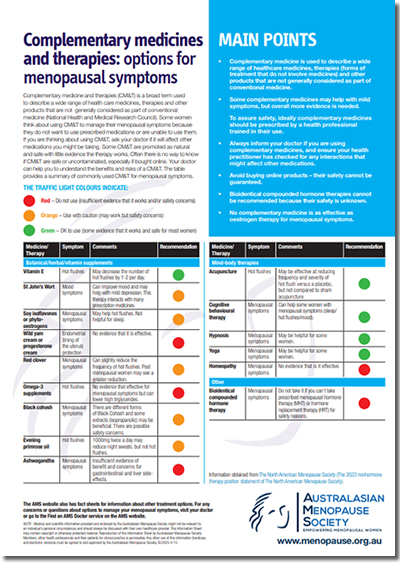
- Complementary Medicines and Therapies: Options for Menopausal Symptoms
- Consumer Video and Podcast Series: 2024 Consumer Videos and Podcasts – Cognitive Behavioral Therapy and Menopause
- Consumer Video and Podcast Series: 2024 Consumer Videos and Podcasts – Preparing for Your Menopause Healthcare Visit
- Consumer Video and Podcast Series: 2025 Consumer Videos and Podcasts – Nutrition At Menopause and Why It Is Important
- Definitions PMS/PMDD
- Depression In Women: 4 Things To Know
- Essential Reads: Are Premenstrual Mood Symptoms A Risk Factor for Suicide?
- FAQ
- FAQs: Premenstrual Syndrome (PMS)
- For PMDD, Does Symptom-Onset Dosing of An SSRI Work?
- Global Provider Directory
- How Mindfulness Meditation Improves Mental Health
- Iapmd.ca [International Association for Premenstrual Disorders [IAPMD Canada]
- Iapmd.org [International Association for Premenstrual Disorders [IAPMD]]
- Is It More Than PMS? Learn About PMDD (pFocus)
- Is There A Link Between PMDD & Endometriosis!?
- Menstrual Cycle
- Menstrual Diary
- Menstruation
- Mood and the Menopause
- Mymenoplan.org [My Menoplan, United States]
- National Center for Complementary and Integrative Health: Chasteberry [Vitex]
- National Center for Complementary and Integrative Health: Evening Primrose Oil
- National Center for Complementary and Integrative Health: Herbs At A Glance
- National Center for Complementary and Integrative Health: How Safe Is This Product or Practice?
- Natural Therapies
- Online Events [International Menopause Society]: Past Webinars – 2025: Lifestyle Medicine
- Our Best Mental Health Tips – Backed By Research
- PMD Awareness Month [April 2026]
- PMDD Treatment [28 March 2025]
- PMDD # PMS
- PMDD / PME – Understanding and Coping With Premenstrual Anger, Irritability, & Hypersensitivity
- PMDD Treatment With Serotonin Reuptake Inhibitors: Neuroactive Steroids and GABA May Play A Role
- PMDs Self Screen
- PMS (Premenstrual Syndrome)
- PMS and PMDD | Dr Louise Newson
- PMS and PMDD: Live Q&A With Dr Louise Newson
- Period Pain
- Periods
- Perimenopause, PMS, and PCOS: All About the Period
- Periods: Period Problems – Premenstrual Syndrome (PMS)
- Pms.org.uk [National Association for Premenstrual Syndromes, United Kingdom]
- Premenstrual Dysphoric Disorder
- Premenstrual Dysphoric Disorder (PMDD)
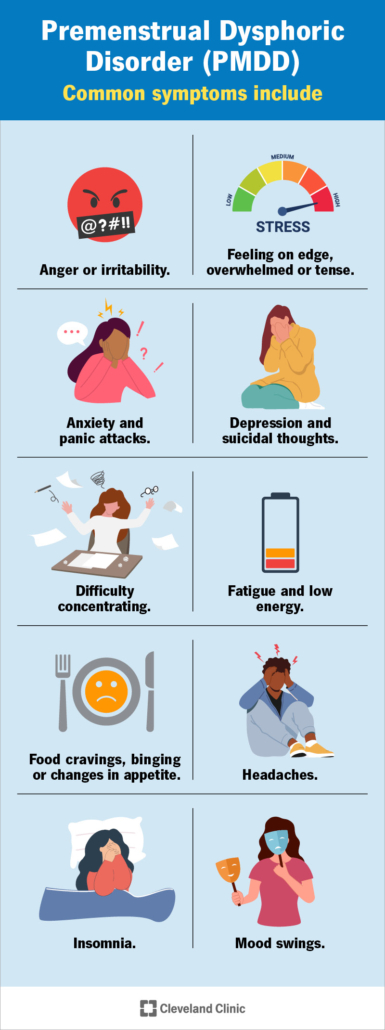
- Premenstrual Dysphoric Disorder (PMDD)
- Premenstrual Dysphoric Disorder (PMDD)
- Premenstrual Dysphoric Disorder (PMDD)
- Premenstrual Dysphoric Disorder: Different From PMS?
- Premenstrual Syndrome
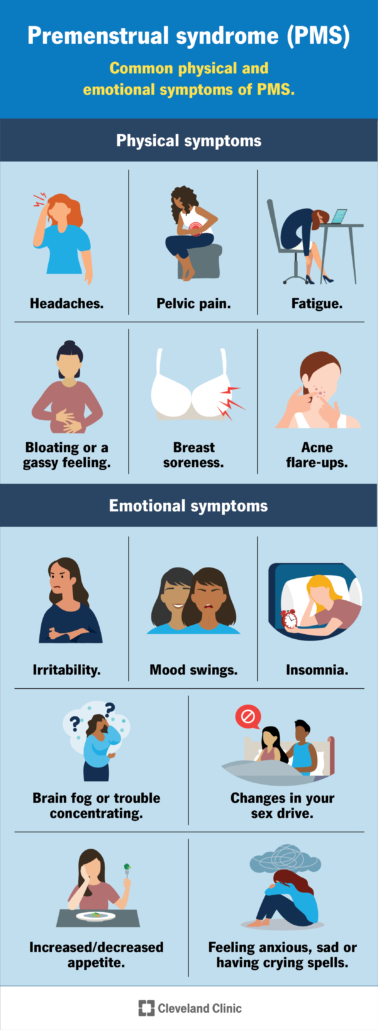
- Premenstrual Syndrome
- Premenstrual Syndrome (PMS)
- Premenstrual Syndrome (PMS)
- Premenstrual Syndrome (PMS)
- Premenstrual Syndrome (PMS)
- Premenstrual Syndrome (PMS)
- Premenstrual Syndrome – Self Care
- Research Explained: Is There More Than One Type of PMDD?
- Self-Harm & Suicidality
- Supplements: What Works, What Doesn’t and the Truth About Menowashing
- The Menstrual Cycle With PMDs
- Transgender and PMDD
- Treating Premenstrual Disorders – With Dr. Tori Eisenlohr-Moul & Brett Buchert
- Treating Premenstrual Dysphoric Disorder
- Types of Talking Therapies: Cognitive Behavioural Therapy (CBT)
- Understanding Premenstrual Disorders – PMDD and PME Explained [Video]
- Videos & Podcasts: Videos – Menopause and Hormone Therapy: Current Perspectives and Controversies
- Water Retention: Relieve This Premenstrual Symptom
- What Are Premenstrual Disorders (PMDs)?
- What Is A Menstrual Cycle?
- What Is Cognitive Behavioral Therapy?
- What Is PMDD?
- What Is PME?
- When Hormones Are Missed In Mental Health
- Why Psychiatrists Must Start Thinking About Hormones
- World Bipolar Day: PMDD V Bipolar
- Your Periods, ADHD & the Multiple Hormone Sensitivity Theory
Sources
Where may I find the Sources quoted?
You may find the Sources quoted at:
Sources
- Premenstrual Syndrome: Summary – What Is Premenstrual Syndrome (PMS)? Last Updated: 11 January 2024. Medline Plus https://medlineplus.gov/premenstrualsyndrome.html Accessed: 01 April 2026
- FAQs: Premenstrual Syndrome (PMS): What Is Premenstrual Syndrome (PMS)? Last Updated: May 2021. Last Reviewed: November 2025. American College of Obstetricians and Gynecologist https://www.acog.org/womens-health/faqs/Premenstrual-Syndrome Accessed: 01 April 2026
- Premenstrual Syndrome (PMS): What Is PMS? Jean Hailes for Women’s Health https://www.jeanhailes.org.au/health-topics/periods/premenstrual-syndrome-pms/ Accessed: 01 April 2026
- Premenstrual Syndrome: Summary – What Is Premenstrual Syndrome (PMS)? Last Updated: 11 January 2024. Medline Plus https://medlineplus.gov/premenstrualsyndrome.html Accessed: 01 April 2026
- Premenstrual Syndrome (PMS): Symptoms & Causes – Symptoms. 25 February 2022. Mayo Clinic https://www.mayoclinic.org/diseases-conditions/premenstrual-syndrome/symptoms-causes/syc-20376780 Accessed: 01 April 2026
- Premenstrual Syndrome (PMS): Symptoms of PMS – Emotional Symptoms. Jean Hailes for Women’s Health https://www.jeanhailes.org.au/health-topics/periods/premenstrual-syndrome-pms/ Accessed: 01 April 2026
- Premenstrual Syndrome (PMS): Symptoms of PMS – Emotional Symptoms. Jean Hailes for Women’s Health https://www.jeanhailes.org.au/health-topics/periods/premenstrual-syndrome-pms/ Accessed: 01 April 2026
- FAQs: Premenstrual Syndrome (PMS): What Are Some Common Symptoms of PMS? Last Updated: May 2021. Last Reviewed: November 2025. American College of Obstetricians and Gynecologist https://www.acog.org/womens-health/faqs/Premenstrual-Syndrome Accessed: 01 April 2026
- Premenstrual Syndrome (PMS): Symptoms of PMS – Physical Symptoms. Jean Hailes for Women’s Health https://www.jeanhailes.org.au/health-topics/periods/premenstrual-syndrome-pms/ Accessed: 01 April 2026
- FAQs: Premenstrual Syndrome (PMS): What Are Some Common Symptoms of PMS? Last Updated: May 2021. Last Reviewed: November 2025. American College of Obstetricians and Gynecologist https://www.acog.org/womens-health/faqs/Premenstrual-Syndrome Accessed: 01 April 2026
- Premenstrual Syndrome (PMS): What Causes PMS? Jean Hailes for Women’s Health https://jeanhailes.org.au/health-topics/periods/premenstrual-syndrome-pms/ Accessed: 01 April 2026
- Premenstrual Syndrome (PMS): What Is PMS? Jean Hailes for Women’s Health https://jeanhailes.org.au/health-topics/periods/premenstrual-syndrome-pms/ Accessed: 01 April 2026
- Premenstrual Dysphoric Disorder (PMDD): What Is PMDD? Jean Hailes for Women’s Health https://www.jeanhailes.org.au/health-topics/periods/premenstrual-dysphoric-disorder-pmdd Accessed: 01 April 2026
- What Is PMDD? International Association For Premenstrual Disorders https://www.iapmd.org/pmdd Accessed: 01 April 2026
- What Is PME? International Association For Premenstrual Disorders https://www.iapmd.org/pme Accessed: 01 April 2026
- What Is PMDD? PMDD Causes. International Association For Premenstrual Disorders https://www.iapmd.org/pmdd Accessed: 01 April 2026
- Premenstrual Syndrome (PMS): Symptoms & Causes – Overview. 25 February 2022. Mayo Clinic https://www.mayoclinic.org/diseases-conditions/premenstrual-syndrome/symptoms-causes/syc-20376780 Accessed: 01 April 2026
- Menstrual Diary. National Association for Premenstrual Syndromes https://www.pms.org.uk/support/menstrual-diary/ Accessed: 01 April 2026
- Premenstrual Syndrome (PMS): What To Expect. Last Updated: 28 February 2023. NHS Inform https://www.nhsinform.scot/healthy-living/womens-health/girls-and-young-women-puberty-to-around-25/periods-and-menstrual-health/premenstrual-syndrome-pms Accessed: 01 April 2026
- Premenstrual Syndrome (PMS): Does PMS Change With Age? Page Last Updated: 26 September 2025. Office on Women’s Health, United States Department of Health and Human Services, Womenshealth.gov https://www.womenshealth.gov/menstrual-cycle/premenstrual-syndrome Accessed: 01 April 2026
- Premenstrual Syndrome (PMS): When To See Your Doctor. Jean Hailes for Women’s Health https://jeanhailes.org.au/health-topics/periods/premenstrual-syndrome-pms/ Accessed: 01 April 2026
- Premenstrual Syndrome: Living With – When Should I See My Healthcare Provider? Last Reviewed: 20 January 2025. Cleveland Clinic https://my.clevelandclinic.org/health/diseases/24288-pms-premenstrual-syndrome Accessed: 01 April 2026
- PMS (Premenstrual Syndrome): Treatments for PMS. Page Last Reviewed: 18 June 2024. NHS https://www.nhs.uk/conditions/pre-menstrual-syndrome/ Accessed: 01 April 2026
Topic Last Updated: 01 April 2026 – Topic Last Reviewed: 01 April 2026