
“While not a problem for everyone transitioning
through menopause, the risk of mood changes and
symptoms of depression and anxiety are higher…”.1
Umbrella
What may the Menopause Blues Umbrella include?
Depending on the Source (DotS) this Umbrella may include:
- Blue Moods
- Depressed Mood
- Dysphoria
- Feeling Blue
- Feeling Sad
- “Menopause Blues”
- “The Blues”
Menopause
Is there an association between menopause and the menopause blues?
In Menopause and Mental Health: Main Points the Australasian Menopause Society (AMS) explain:
While the risk is higher for women in the age-related and natural menopausal transition, women might also have a higher risk of mood changes after menopause caused by surgery such as hysterectomy or if the ovaries have been removed. Depression also occurs at a higher rate in women with a lack of oestrogen caused by primary ovarian insufficiency”.2
Menopause Mood Changes
What menopause mood changes may we experienced?
In Menopause: Menopausal Symptoms – Mental and Emotional Health: Anxiety and Depression the (Australian) Jean Hailes for Women’s Health (JH) elaborate on:
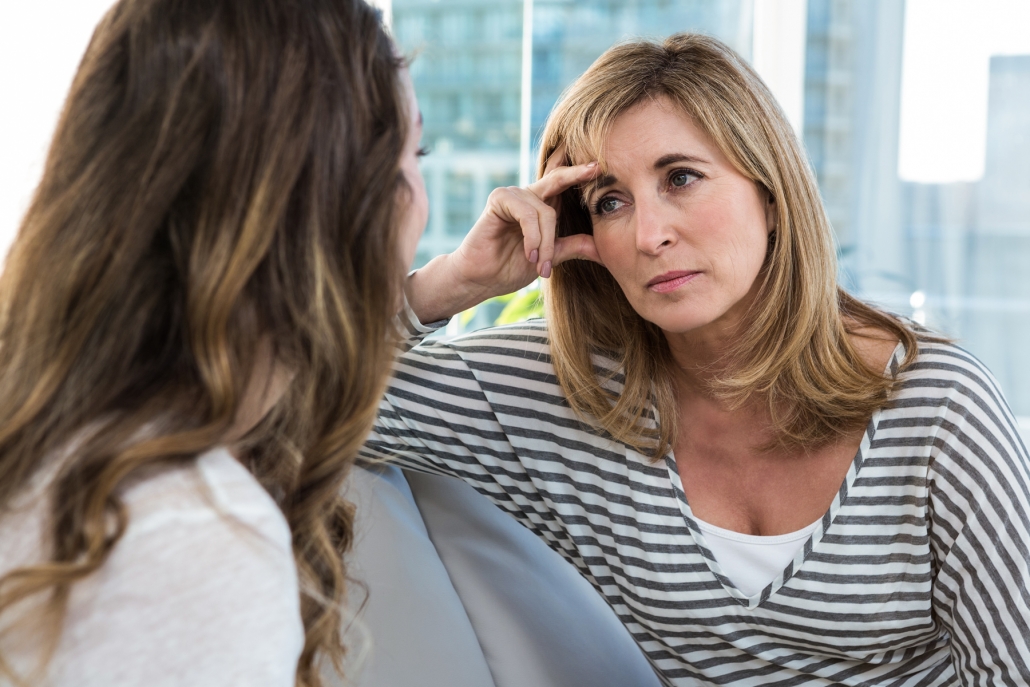 “During perimenopause, some women will experience a mental health condition, such as anxiety or depression.
If you have a history of anxiety, depression or premenstrual syndrome (PMS) you should watch carefully for signs that your mental health is being affected.
Mental health symptoms to look out for:
- Feeling sad, low or depressed
- Low energy and motivation
- Feeling worried or anxious
- Panic attacks
- Reduced self-esteem or self-worth
- Loss of sex drive (libido)”.3
Depression
Does menopause cause depression?
On page one and two in Emotional Wellness In Menopause: What About Depression?, published date June 2023, the (British) Women’s Health Concern (WHC) elaborate on:
Contributing Factors
What may be contributing factors to feeling depressed?
In Menopause and Mental Health: Mental Health Symptoms Related To Menopause according to the AMS:
Some of the common physical, memory and thinking symptoms related to menopause (hot flushes, night sweats, sleep and sexual disturbances, weight changes and “brain fog”) can complicate and overlap with mental health symptoms.
Another complicating factor is stress related to life circumstances. Feeling stress is common during middle age as personal and environmental changes take place. This can have a strong effect on mood in some women. Life circumstances that can impact mental health include:
- Caring for children
- Caring for elderly parents
- Career changes
- Relationship changes
- Ageing
- Body changes
- Illness”.5
Self Care
How can we look after our selves?
In Caring for Your Mental Health: How Can I Take Care of My Mental Health? the (United States) National Institute of Mental Health elaborate on:
Here are some self-care tips:
- Get regular exercise. Just 30 minutes of walking every day can boost your mood and improve your health. Small amounts of exercise add up, so don’t be discouraged if you can’t do 30 minutes at one time
- Eat healthy, regular meals and stay hydrated…
- Make sleep a priority…
- Try a relaxing activity…
- Set goals and priorities…
- Practice gratitude…
- Focus on positivity…
- Stay connected…”.6
In How To Manage Menopausal Symptoms: Managing Mental and Emotional Health the JH explain:
 “There are many practical things you can do to look after your emotional wellbeing at this stage of life. For example:
- Talk to someone about your feelings, such as a friend, family member, doctor or psychologist
- Take time for yourself and do things you enjoy
- Get quality rest when you can
- Do regular physical activity, especially in a group or with friends
- Ask your doctor about cognitive behaviour therapy (CBT)
- Practise relaxation techniques
- Pay attention to your inner voice and practise using positive affirmations”.7
If you are experiencing strong emotions, anxiety or depression, see your doctor”.7
Online Resources, Programs, Apps and e-therapies
Are mental health online resources, programs, Apps and e-therapies available?
Depending on your Country, mental health online resources, programs, Apps and e-therapies may be available.
Your health care provider, local community health center or your Country’s equivalent of a Mental Health website, may include information about your Country’s recommended mental health online resources, programs, Apps and e-therapies, similar to the (United Kingdom) Mental Health UK
Treatments
What treatments are available?
On page one in Emotional Wellness In Menopause: What Treatments Are Available? the WHC elaborate on:
- Anti-depressants can help with emotional and cognitive symptoms of the menopause. However, unless you have been diagnosed with depression, there are other treatments which may be more helpful and appropriate
- Hormone Replacement Therapy (HRT) can help with many cognitive and emotional symptoms of menopause. HRT can also help improve quality of sleep. It’s useful to keep a record of symptoms to discuss with your HRT prescriber as this will help identify the best HRT regime for you
- Cognitive Behavioural Therapy (CBT) and other talking therapies can be hugely beneficial in dealing with some of the emotional symptoms of menopause. Even women who have never used therapies before and them helpful to navigate their menopause journey
- Mindfulness and meditation are popular techniques to help relax and clear the mind – a very useful addition to managing some of the emotional and cognitive symptoms of menopause. Alongside restorative exercise such as yoga and Pilates, both body and mind can recover and heal”.8
Hormone Therapy
May hormone therapy improve mood?
On page one in Deciding About Hormone Therapy Use: Potential Benefits, dated February 2025, the (United States) Menopause Society (formerly the North American Menopause Society) note:
Health Care Provider
What if I would like help with my menopause blues?
If you would like help with your menopause blues, it may be in your best interest to choose to talk to your health care provider about this.
In Menopause: Menopausal Symptoms – Mental and Emotional Health the JH remind us:
Health Topics A-Z
Where may I find Health Topics A-Z related to Menopause Blues?
In Health Topics A-Z you may find:
Links
Where may I find Links related to Menopause Blues?
Your Country may have Links similar to:
Links
This Links List to third party websites is neither comprehensive nor exhaustive. Inclusion on this Links List does not imply endorsement or recommendation. Non-inclusion on this Links List does not imply non-endorsement or non-recommendation. Third party websites are not under the control of Meno Martha International Menopause Directory. Third party websites may contain explicit medical images and/or sexual references. Please read Meno Martha International Menopause Directory’s Links Policy before proceeding to a Link. Please contact Webmaster if you experience a problem with a Link.New or Updated
- Can Menopause Cause Depression? [06 January 2026]
- EMAS On-Demand Webinars [European Menopause and Andropause Society] [Multiply Languages]: Menopause and Mental Health: Managing Anxiety, Depression, and Cognitive Changes [March 2026]
- Menopause and Mental Health
- Online Events [International Menopause Society]: Past Webinars – 2025: Lifestyle Medicine [14 October 2025]
- Online Events [International Menopause Society]: Past Webinars – 2026: New IMS Recommendations: Lifestyle, Diet, Exercise [20 May 2026]
- A Man’s Guide To Menopause
- Askearlymenopause.org [Ask EM] [+ Video: What Is Early Menopause?]
- CBT for Menopausal Symptoms
- Can Menopause Cause Depression?
- Change In Behaviour During Menopause
- Cognitive Behaviour Therapy (CBT) for Menopausal Symptoms
- Complementary & Alternative Therapies: Non-Hormonal Treatments for Menopause Symptoms
- Complementary Medicines and Therapies for Hot Flushes
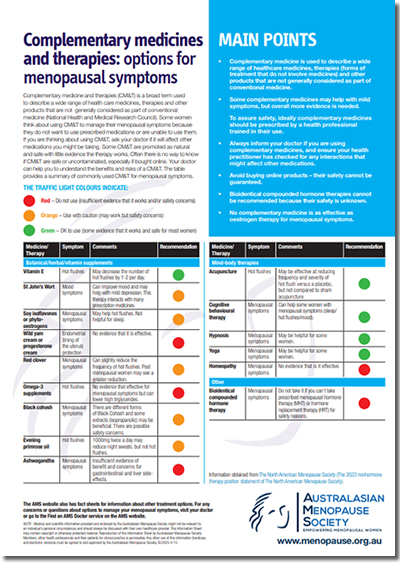
- Complementary Medicines and Therapies: Options for Menopausal Symptoms
- Consumer Video and Podcast Series: 2024 Consumer Videos and Podcasts – Cognitive Behavioral Therapy and Menopause
- Consumer Video and Podcast Series: 2024 Consumer Videos and Podcasts – Preparing for Your Menopause Healthcare Visit
- Consumer Video and Podcast Series: 2025 Consumer Videos and Podcasts – Nutrition At Menopause and Why It Is Important
- Depression
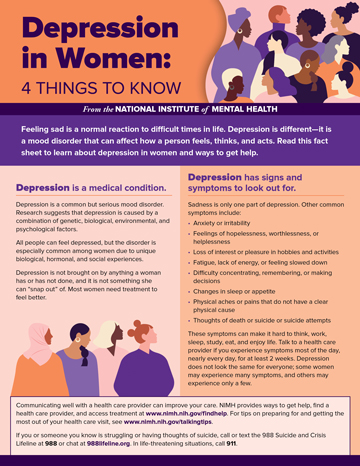
- Depression In Women: 4 Things To Know
- Depression [+ Video Courtesy: Mayo Clinic News Network]
- Does Menopause Really Cause Depression?
- EMAS On-Demand Webinars [European Menopause and Andropause Society] [Multiply Languages]: Menopause and Mental Health: Managing Anxiety, Depression, and Cognitive Changes
- EMAS On-Demand Webinars [European Menopause and Andropause Society] [Multiply Languages]: Sleep Disturbances In Menopause
- Emotional Wellbeing As You Age
- Emotional Wellness In Menopause
- Exercising Your Way Out of Depression
- Find A Menopause Practitioner [United States and Other]
- Find A Practitioner [Australasian Menopause Society i.e. Australia and New Zealand]
- Find Your Nearest BMS Menopause Specialist [British Menopause Society]
- HRT Questions Answered
- Hormones & Mental Health: What Every Woman Needs To Know | Live With Dr Louise Newson
- How Mindfulness Meditation Improves Mental Health
- How To Manage Menopausal Insomnia
- How To Manage Menopausal Symptoms
- How To Talk To Your Doctor About Midlife Brain Fog
- International Menopause Society (IMS) Recommendations and Key Messages on Women’s Midlife Health and Menopause
- Is Hormone Therapy A Key Strategy In Treating Menopausal Depression? [Video]
- Later Years (Around 50 Years and Over): Menopause and Post Menopause Health – Menopause and Your Mental Wellbeing [+ Video: Menopause Only Affects You Physically!]
- Later Years (Around 50 Years and Over): Menopause and Post Menopause Health – Supporting Someone Through the Menopause [+ Video: Men Don’t Need To Know About Menopause]
- Looking After Yourself Around the Time of Menopause
- Mayo Clinic Minute: Prescribing Nature for Mental, Physical Health [+ Video Courtesy: Mayo Clinic News Network]
- Menopause
- Menopause
- Menopause
 Menopause Checklist Podcast: Episode 3: I’m Not Myself
- Menopause Depression: Under Recognised and Poorly Treated
- Menopause Map: Downloadable Resources – My Personal Path Print Tools: Questions for Your Health Care Provider
- Menopause Map: Downloadable Resources – My Personal Path Print Tools: Relaxation Techniques
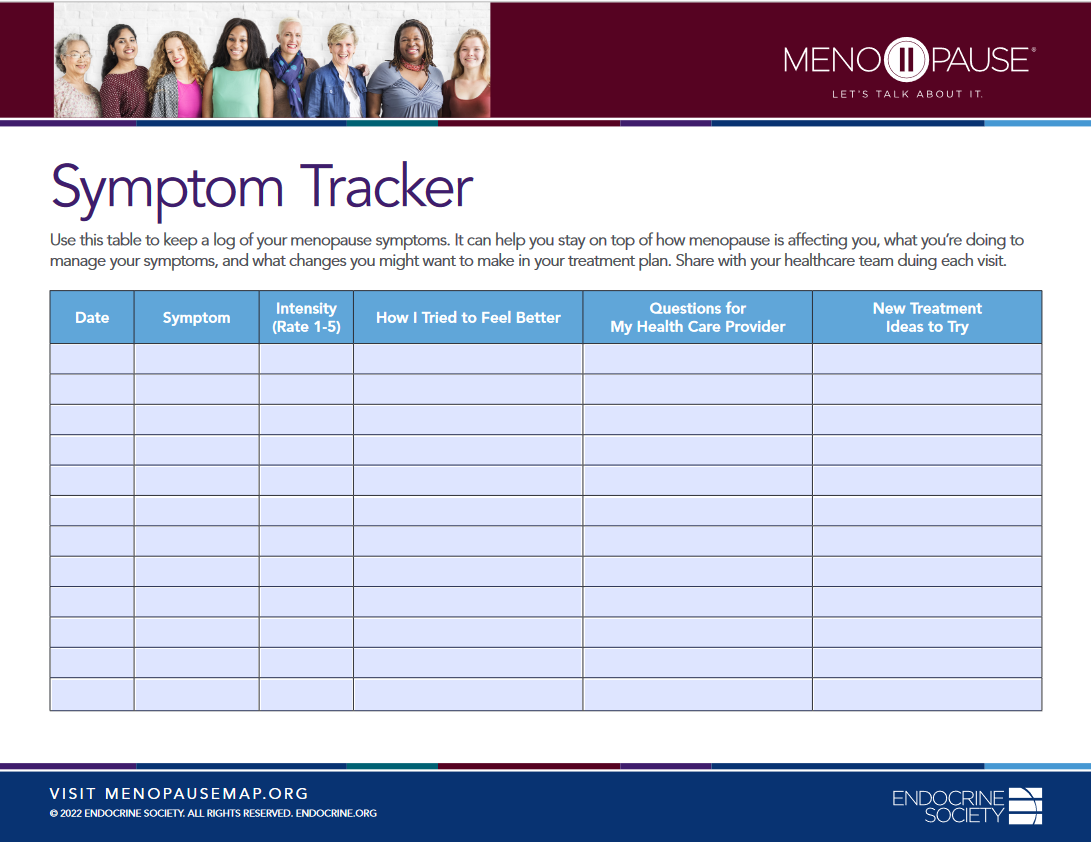
- Menopause Map: Downloadable Resources – My Personal Path Print Tools: Symptom Tracker
- Menopause Symptoms: Mayo Clinic Expert Outlines Hormone and Nonhormonal Therapies
- Menopause and Depression: Is There A Link?
- Menopause and Mental Health
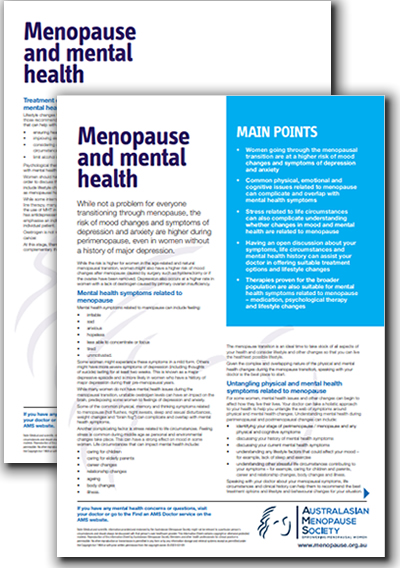
- Menopause and Mental Health
- Menopause and Mental Health
- Menopause and Mental Health
- Menopause and Mental Health
- Menopause: How To Talk To Your Doctor
- Menopause: Identification and Management [NICE Guideline]
- Menopause: Identification and Management [NICE Guideline]

- Mental Health: Mental Health Self Help Guides
- Mental Health Awareness Week [11-17 May 2026, United Kingdom]
- Mental Health Month [May, United States]
- Mood Changes During Perimenopause Are Real. Here’s What To Know
- Mood and the Menopause
- Mymenoplan.org [My Menoplan, United States]
- National Center for Complementary and Integrative Health: 8 Things to Know About Depression and Complementary Health Approaches
- National Center for Complementary and Integrative Health: Depression
- National Center for Complementary and Integrative Health: Know the Science: How Medications and Supplements Can Interact
- National Center for Complementary and Integrative Health: St. John’s Wort
- National Institute of Mental Health: Depression
- Natural Therapies
- Navigating the Road To Menopause
- Navigating Menopause Care Resource Guide
- “Not feeling like myself” in perimenopause — what does it mean? Observations From the Women Living Better Survey
- Office of Dietary Supplements: Vitamin B6
- Online Events [International Menopause Society]: IMS Partnership Symposia Series – What Is Sleep, What Is Menopause and How Do They Interact?
- Online Events [International Menopause Society]: Past Webinars – 2025: Lifestyle Medicine
- Online Events [International Menopause Society]: Past Webinars – 2026: New IMS Recommendations: Lifestyle, Diet, Exercise
- Online Events [International Menopause Society]: Past Webinars – 2026: New IMS Recommendations – Midlife Body Changes
- Our Best Mental Health Tips – Backed By Research
- PMS and PMDD | Dr Louise Newson [Video]
- Penny Lancaster: The Truth About Menopause Care
- Perimenopause
- Perimenopause, Menopause and Mental Health
- Premenstrual Dysphoric Disorder (PMDD)
- Promoting Good Mental Health Over the Menopause Transition
- R U OK? Day [12 September, Australia]
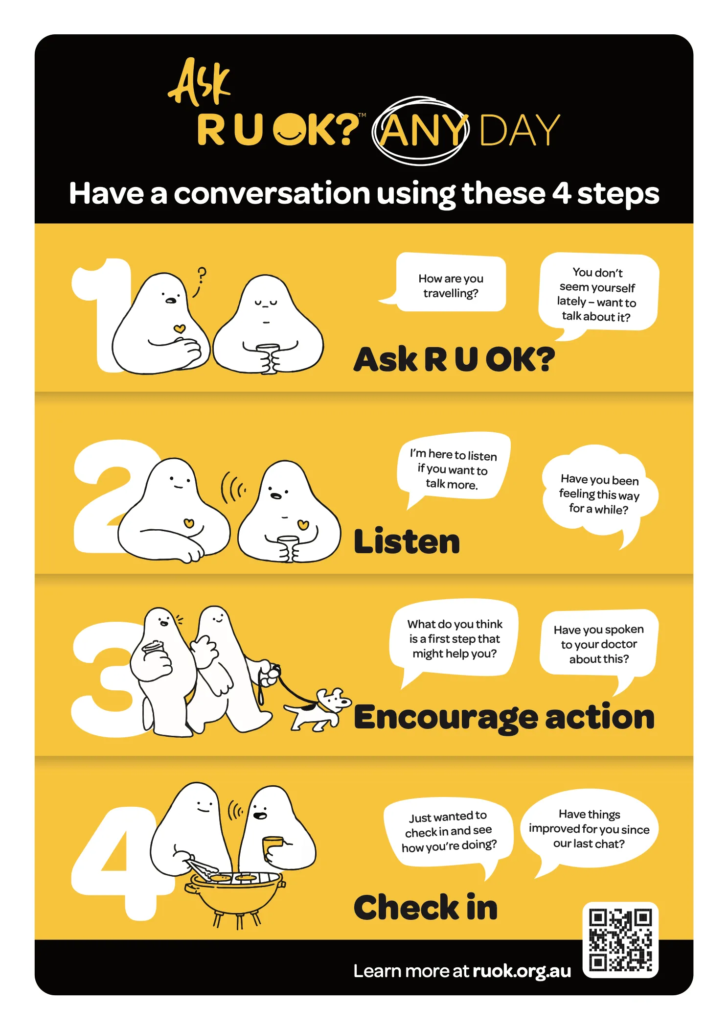
- Resources: Fact Sheets

- Rethinking Mental Health and Antidepressant Prescribing
- Self-Help Tool: Menopause and Mental Wellbeing
- Supplements: What Works, What Doesn’t and the Truth About Menowashing
- Talking To Your GP About Your Mental Health
- The Impact of the Menopause
- The Menopause ‘Mind field’
- Things You Can Do To Help Menopause and Perimenopause Symptoms
- Therapy Could Be Effective Treatment for Non-Physical Symptoms of Menopause
- Thiswayup.org.au [This Way Up, Australia]
- Top Tips To Improve Your Mental Wellbeing
- Videos & Podcasts: Videos – Menopause and Hormone Therapy: Current Perspectives and Controversies
- What Is the Difference Between Perimenopause, Menopause and Postmenopause?
- When Hormones Are Missed In Mental Health
- Why Men Need To Understand The Menopause & Women’s Hormones | Dr Louise Newson
- Why Psychiatrists Must Start Thinking About Hormones
- World Menopause Day 2025
- Your Daily Dose: Perimenopause, Don’t Suffer In Silence
Sources
Where may I find the Sources quoted?
You may find the Sources quoted at:
Sources
- Menopause and Mental Health: Main Points. 05 September 2025. Australasian Menopause Society https://hub.menopause.org.au/Play?pId=577e727c-377a-4af3-bfed-fd8b80883f64 Accessed: 12 June 2026
- Menopause and Mental Health: Main Points. 05 September 2025. Australasian Menopause Society https://hub.menopause.org.au/Play?pId=577e727c-377a-4af3-bfed-fd8b80883f64 Accessed: 12 June 2026
- Menopause: Menopausal Symptoms – Mental and Emotional Health: Anxiety and Depression. Jean Hailes for Women’s Health https://www.jeanhailes.org.au/health-topics/menopause/ Accessed: 12 June 2026
- Emotional Wellness In Menopause: What About Depression? Published Date: June 2023:1-2. Women’s Health Concern https://www.womens-health-concern.org/wp-content/uploads/2023/06/30-WHC-FACTSHEET-Emotional-wellness-in-menopause-JUNE2023-A.pdf Accessed: 12 June 2026
- Menopause and Mental Health: Mental Health Symptoms Related To Menopause. 05 September 2025. Australasian Menopause Society https://hub.menopause.org.au/Play?pId=577e727c-377a-4af3-bfed-fd8b80883f64 Accessed: 12 June 2026
- Caring for Your Mental Health: How Can I Take Care of My Mental Health? Last Reviewed: April 2026. National Institute of Mental Health https://www.nimh.nih.gov/health/topics/caring-for-your-mental-health Accessed: 12 June 2026
- How To Manage Menopausal Symptoms: Managing Mental and Emotional Health. Jean Hailes for Women’s Health https://www.jeanhailes.org.au/health-topics/menopause/how-to-manage-menopausal-symptoms/ Accessed: 12 June 2026
- Emotional Wellness In Menopause: What Treatments Are Available? Published Date: June 2023:1. Women’s Health Concern https://www.womens-health-concern.org/wp-content/uploads/2023/06/30-WHC-FACTSHEET-Emotional-wellness-in-menopause-JUNE2023-A.pdf Accessed: 12 June 2026
- Deciding About Hormone Therapy Use: Potential Benefits. 2025:1. Menopause Society https://menopause.org/wp-content/uploads/default-document-library/MenoNote-Deciding-About-HT-2025.pdf Accessed: 12 June 2026
- Menopause: Menopausal Symptoms – Mental and Emotional Health. https://www.jeanhailes.org.au/health-topics/menopause/#section-looking-after-yourself-around-the-time-of-menopause Accessed: 12 June 2026
Topic Last Updated: 12 June 2026 – Topic Last Reviewed: 12 June 2026