
“Restless legs syndrome (RLS) is a brain, nerve and sleep
condition that causes a strong, nearly irresistible urge to
move your legs that’s at least partially relieved by…”.1
Umbrella
What may the Restless Legs Syndrome Umbrella include?
Depending on the Source (DotS) this Umbrella may include:
- Ekbom/’s Syndrome
- Restless Legs Syndrome (RLS)
- Restless Legs Syndrome/Willis-Ekbom Disease (RLS/WED)
- Willis-Ekbom Disease
Definition
What is restless legs syndrome (RLS)?
DotS the definition of RLS may vary. The (United States) National Institute of Neurological Disorders and Stroke’s (NINDS) definition is:
RLS is a sleep disorder triggered by resting and attempting to sleep. It is also a movement condition, as people with RLS are forced to move their legs to find relief from symptoms”.2
In Restless Legs Syndrome (RLS): Overview – What Is Restless Legs Syndrome? the (United States) Cleveland Clinic’s definition is:
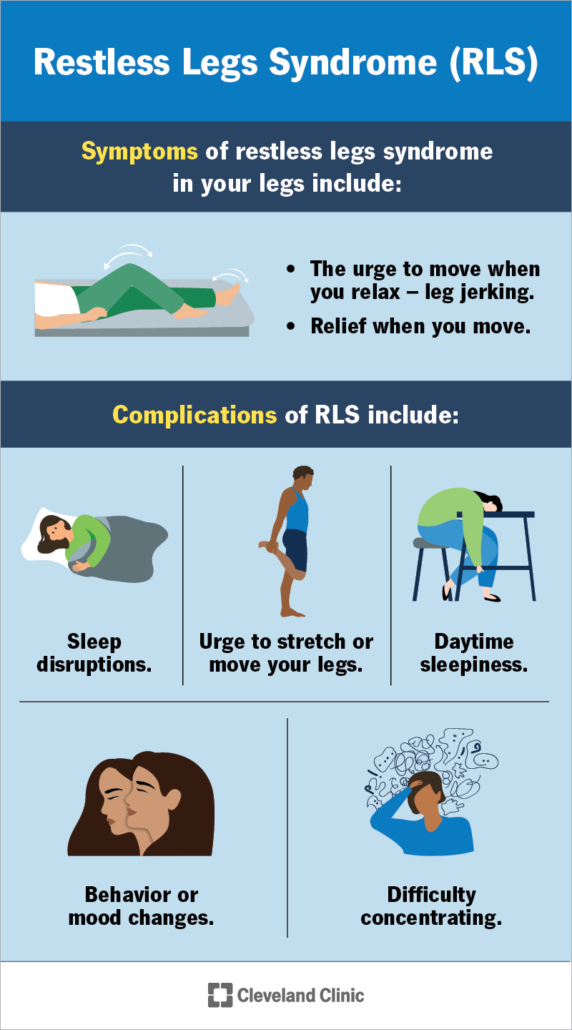 “Restless legs syndrome (RLS) is a brain, nerve and sleep condition that causes a strong, nearly irresistible urge to move your legs that’s at least partially relieved by movement. Symptoms are more common when your body is at rest in the evening. It usually occurs in addition to uncomfortable sensations in your legs like throbbing or aching. The urge to constantly move can interfere with your ability to relax or fall asleep.
You may hear your healthcare provider call RLS restless leg syndrome or Willis-Ekbom disease”.3
Signs and Symptoms
What are common signs and symptoms of RLS?
In Restless Legs Syndrome: What Is Restless Legs Syndrome (RLS)? Common Signs and Symptoms of RLS the NINDS explain:
Common features of RLS include:
- Symptoms after rest…
- Relief of discomfort with movement…
- Worsening of symptoms at night with a distinct symptom-free period in the early morning…”.4
Women
How common is RLS?
In Restless Legs Syndrome: What Is Restless Legs Syndrome (RLS)? Who Is More Likely To Have Restless Legs Syndrome? the NINDS explain:
Menopause and RLS
Is there an association between menopause and RLS?
On page two in Understanding and Managing Sleep Problems During Menopause: Causes – Restless Legs Syndrome, reviewed October 2025, the (British) Women’s Health Concern explain:
Look for A Pattern
 How may I Look for A Pattern with RLS?
In RLS Monitor: How Do I Know If I Have RLS? the (United Kingdom) RLS-UK elaborate on:
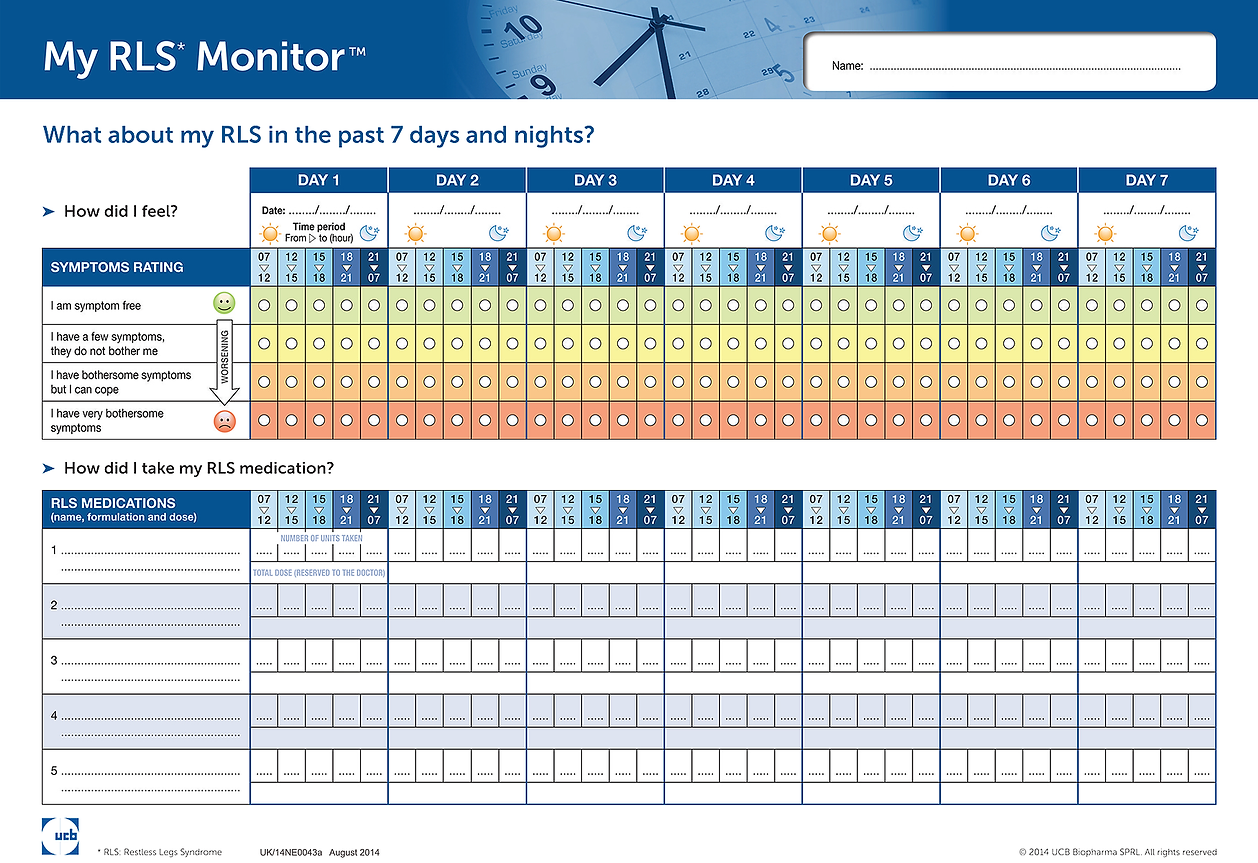
In Diagnosis & Treatment: RLS Patient Symptom Diary the (United States) Restless Legs Syndrome Foundation elaborate on:

Treatment
How is RLS treated?
In Restless Legs Syndrome (RLS): Management and Treatment – How Is Restless Legs Syndrome Treated? the Cleveland Clinic explain:
Health Care Provider
What if I thinks I have RLS?
If you think you have RLS, it may be in your best interest to choose to talk to your health care provider about this. Together you can discuss your options and if required, agree on who may be the most appropriate health care provider to help you.
In Restless Legs Syndrome: Symptoms & Causes – Overview: When To See A Doctor the (United States) Mayo Clinic encourage us to seek help:
Health Topics A-Z
Where may I find Health Topics A-Z related to Restless Legs Syndrome?
In Health Topics A-Z you may find:
Links
Where may I find Links related to Restless Legs Syndrome?
Your Country may have Links similar to:
Links
This Links List to third party websites is neither comprehensive nor exhaustive. Inclusion on this Links List does not imply endorsement or recommendation. Non-inclusion on this Links List does not imply non-endorsement or non-recommendation. Third party websites are not under the control of Meno Martha International Menopause Directory. Third party websites may contain explicit medical images and/or sexual references. Please read Meno Martha International Menopause Directory’s Links Policy before proceeding to a Link. Please contact Webmaster if you experience a problem with a Link.New or Updated
- How To Quickly Stop Restless Leg Syndrome At Night (As You Age) [January 2026]
- Online Events [International Menopause Society]: IMS Partnership Symposia Series – What Is Sleep, What Is Menopause and How Do They Interact?
- Restless Legs Syndrome [25 February 2025]
- Restless Legs Syndrome [13 March 2026]
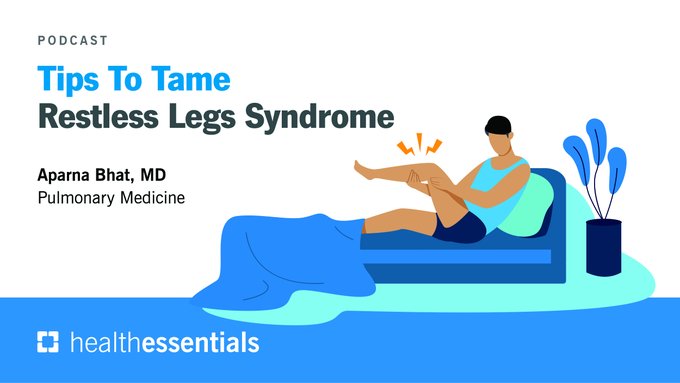
- Tips To Tame Restless Legs Syndrome With Dr. Aparna Bhat [19 August 2026]
- What Can You Do for Immediate Relief From Restless Legs Syndrome? [21 July 2026]
- 2-Minute Neuroscience: Restless Legs Syndrome
- 5 Restless Legs Syndrome Triggers — and What Causes It In the First Place
- Are You Missing This Simple Treatment for Restless Legs?
- Association of Premenopausal Bilateral Oophorectomy With Restless Legs Syndrome
- Consumer Video and Podcast Series: 2024 Consumer Videos and Podcasts – Cognitive Behavioral Therapy and Menopause
- Diagnosis & Treatment
- Diagnosis & Treatment: RLS Patient Symptom Diary
- Diagnosis & Treatment: What Is Augmentation?
- Frequently Asked Questions
- Helpful Links
- HRT Questions Answered
- Hot Flashes: What Can I Do? [+ Video: What Are the Signs and Symptoms of Menopause?]
- How To Find Relief for Hot Flashes At Night
- How To Manage Menopausal Insomnia
- How To QUICKLY Stop Restless Leg Syndrome At Night (As You Age)
- Lifestyle
- Living With RLS
- Managing Augmentation
- Medications
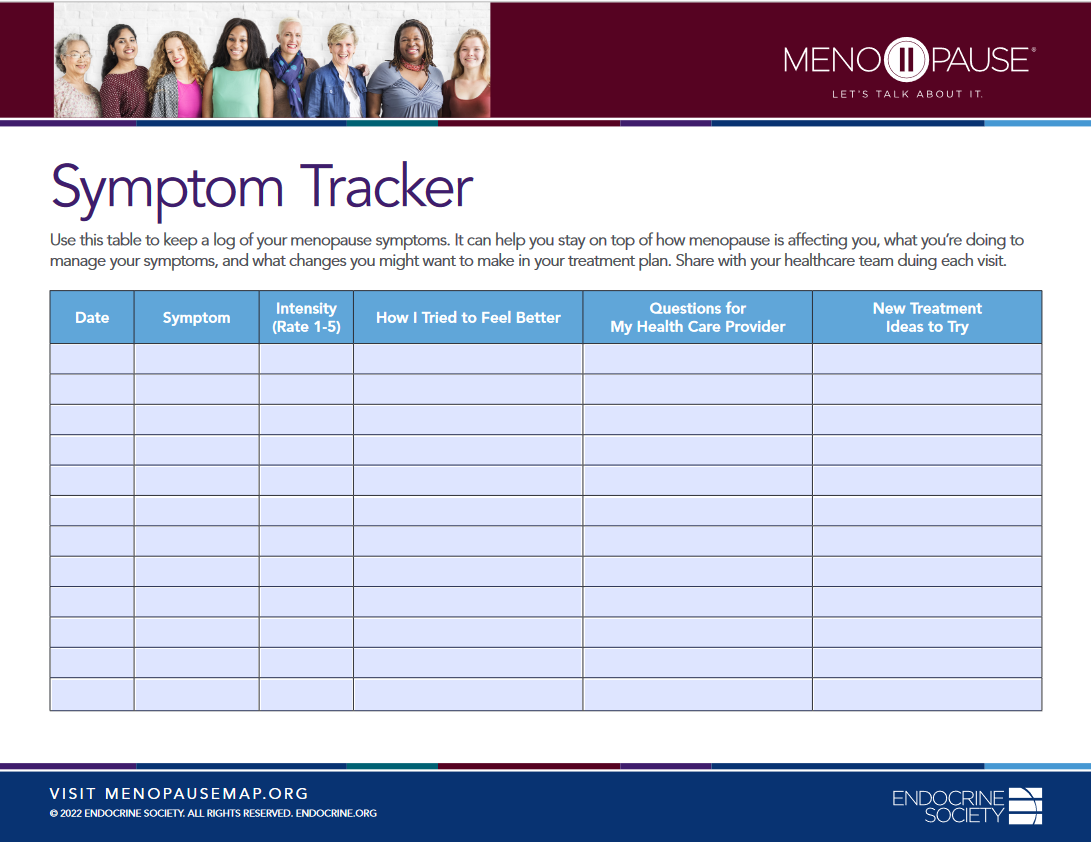
- Menopause Map: Downloadable Resources – My Personal Path Print Tools: Symptom Tracker
- Menopause and Sleep
- Menopause: Identification and Management [NICE Guideline]
- Menopause: Identification and Management [NICE Guideline]
- National Center for Complementary and Integrative Health: Herbs At A Glance
- National Center for Complementary and Integrative Health: How Safe Is This Product or Practice?
- National Center for Complementary and Integrative Health: Relaxation Techniques: What You Need To Know
- National Institute of Neurological Disorders and Stroke [United States]
- PLMD [Periodic Limb Movement Disorder]
- Perimenopause and Menopause Checklist: Translated Checklists
- Perimenopause and Menopause Symptom Checklist
- RLS Monitor
- Restless Legs Syndrome
- Restless Legs Syndrome
- Restless Legs Syndrome
- Restless Legs Syndrome
- Restless Legs Syndrome
- Restless Legs Syndrome: Diagnosis & Treatment
- Restless Legs Syndrome: Self-Care Strategies for Mild RLS
- Rls-uk.org [RLS-UK [United Kingdom]
- Rls.org [Restless Legs Syndrome Foundation, United States]
- Ropinirole HCL – Uses, Side Effects and More
- The Best Home Remedies for Restless Legs Syndrome
- Tips To Tame Restless Legs Syndrome With Dr. Aparna Bhat
- Understanding RLS
- Understanding and Managing Sleep Problems During Menopause
- What Can You Do for Immediate Relief From Restless Legs Syndrome?
- Worldsleepday.org [13 March 2026]
Sources
Where may I find the Sources quoted?
You may find the Sources quoted at:
Sources
- Restless Legs Syndrome (RLS): Overview – What Is Restless Legs Syndrome? Cleveland Clinic. 11 September 2023 https://my.clevelandclinic.org/health/diseases/9497-restless-legs-syndrome Accessed: 18 March 2026
- Restless Legs Syndrome: What Is Restless Legs Syndrome (RSL)? Last Reviewed: 13 March 2026. National Institute of Neurological Disorders and Stroke https://www.ninds.nih.gov/health-information/disorders/restless-legs-syndrome Accessed: 18 March 2026
- Restless Legs Syndrome (RLS): Overview – What Is Restless Legs Syndrome? Cleveland Clinic. 11 September 2023 https://my.clevelandclinic.org/health/diseases/9497-restless-legs-syndrome Accessed: 18 March 2026
- Restless Legs Syndrome: What Is Restless Legs Syndrome (RSL)? Common Signs and Symptoms of RLS? Last Reviewed: 13 March 2026. National Institute of Neurological Disorders and Stroke https://www.ninds.nih.gov/health-information/disorders/restless-legs-syndrome Accessed: 18 March 2026
- Restless Legs Syndrome: What Is Restless Legs Syndrome (RLS)? Who Is More Likely To Have Restless Legs Syndrome? Last Reviewed: 13 March 2026. National Institute of Neurological Disorders and Stroke https://www.ninds.nih.gov/health-information/disorders/restless-legs-syndrome Accessed: 18 March 2026
- Understanding and Managing Sleep Problems During Menopause: Causes – Restless Legs Syndrome. Publication Date: September 2025:2. Women’s Health Concern https://www.womens-health-concern.org/help-and-advice/factsheets/menopause-and-insomnia/ Accessed: 18 March 2026
- RLS Monitor: How Do I Know if I Have RLS? RLS-UK https://www.rls-uk.org/rls-monitor Accessed: 18 March 2026
- Diagnosis & Treatment: RLS Symptom Diary. National Restless Legs Syndrome Foundation https://www.rls.org/diagnosis-treatment Accessed: 18 March 2026
- Restless Legs Syndrome (RLS): Management and Treatment – How Is RLS Treated? Cleveland Clinic. 11 September 2023 https://my.clevelandclinic.org/health/diseases/9497-restless-legs-syndrome Accessed: 18 March 2026
- Restless Legs Syndrome: Symptoms & Causes – Overview: When To See A Doctor. Mayo Clinic. 25 February 2025 https://www.mayoclinic.org/diseases-conditions/restless-legs-syndrome/symptoms-causes/syc-20377168 Accessed: 18 March 2026
Topic Last Updated: 21 August 2026 – Topic Last Reviewed: 18 March 2026