
“There are different ways to manage your symptoms,
from medical treatments
to lifestyle changes”.1
Umbrella
What may the Menopause Management Umbrella include?
Depending on the Source (DotS) this Umbrella may include:
- Healthy Menopause
- Menopause Management
- Menopause Management Choices/Options/Steps/Strategies/Tips
- Menopause Self Management Strategies
- Menopause Treatments
Menopausal Symptoms
Are menopausal symptoms one-size-fits-all?
In How To Manage Menopausal Symptoms: Managing Menopausal Symptoms the (Australian) Jean Hailes for Women’s Health (JH) explain:
There are different ways to manage your symptoms, from medical treatments to lifestyle changes”.2
Lifestyle Changes
Can healthy lifestyle changesimprove menopause symptoms?
In Looking After Yourself Around the Time of Menopause: Key Takeaways the JH note:
In The 2023 Practitioner’s Toolkit for Managing Menopause: Management – Considerations for All Women At Menopause, published online 30 October 2023, the authors explain:
Symptom Management
What is some general advice for symptom management?
In The 2023 Practitioner’s Toolkit for Managing Menopause: Management – Considerations for All Women At Menopause: General Advice for Symptom Management the authors explain:
- “Overweight and obesity, and smoking are risk factors for VMS. Weight reduction may result in reduced VMS in overweight women, and smoking cessation should be encouraged
- Exercise, yoga and relaxation methods have not been found to be effective for VMS, but these activities may improve sleep and general well-being”.5
What is VMS?
VMS can be an abbreviation for Vasomotor Symptoms.
Treatments
What are some treatments to improve menopause symptoms?
In Menopause: Diagnosis & Treatment – Treatment the (United States) Mayo Clinic elaborate on:
- Hormone Therapy…
- Vaginal Estrogen…
- Prasterone (Intrarosa)
- Low-dose medicines to treat depression called antidepressants…
- Gabapentin (Gralise, Neurontin)…
- Clonidine (Catapres -TTS-1, Nexiclon XR)…
- Fezolinetant (Veozah)…
- Oxybutynin (Oxytrol)
- Medicines to prevent or treat the bone-thinning condition called osteoporosis
- Ospemifene (Osphena)”.6
Hormone Therapy
Is hormone therapy the most effective treatment to alleviate VMS?
In The 2023 Practitioner’s Toolkit for Managing Menopause: Management – Considerations for All Women At Menopause: Menopausal Hormone Therapy the authors elaborate on:
There is general consensus on the following: …”.7
Questions To Ask
What are some questions to ask my health care provider about menopause management?
In Perimenopause: Living With – What Questions Should I Ask My Healthcare Provider? the (United States) Cleveland Clinic include:
Some questions you should ask are:
- Are these symptoms of perimenopause?
- What can I do to relieve my symptoms?
- How long do you think I will have these symptoms?
- Would hormone therapy be an option for me?
- Do I need to start taking medication or vitamins?
- Are there any tests that should be done?”8
In Menopause: Diagnosis & Treatment – Preparing for Your Appointment: What You can Do the Mayo Clinic elaborate on:
- Keep track of your symptoms. For instance, make a list of how many hot flashes you have in a day or week. Note how bad they are
- Make a list of all medicines, herbs and vitamin supplements you take. Include the doses and how often you take them
- Ask a family member or friend to go with you, if possible. Someone with you can help you remember what your healthcare team tells you
- Write down questions to ask your healthcare team. List your most important questions first.
Some basic questions to ask include:
- What tests do I need, if any?
- What treatments are there to ease my symptoms?
- What else can I do to ease my symptoms?
- Are there alternative therapies I might try?
- Are there any printed materials or brochures I can have?
- What websites do you suggest?
Be sure to ask all the questions you have”.9
Health Care Provider
What if I would like help with my menopause management?
If you would like help with my menopause management, it may be in your best interest to choose to talk to your health care provider about this.
In Menopause? What Is Perimenopause? When To See Your Doctor the JH also note:
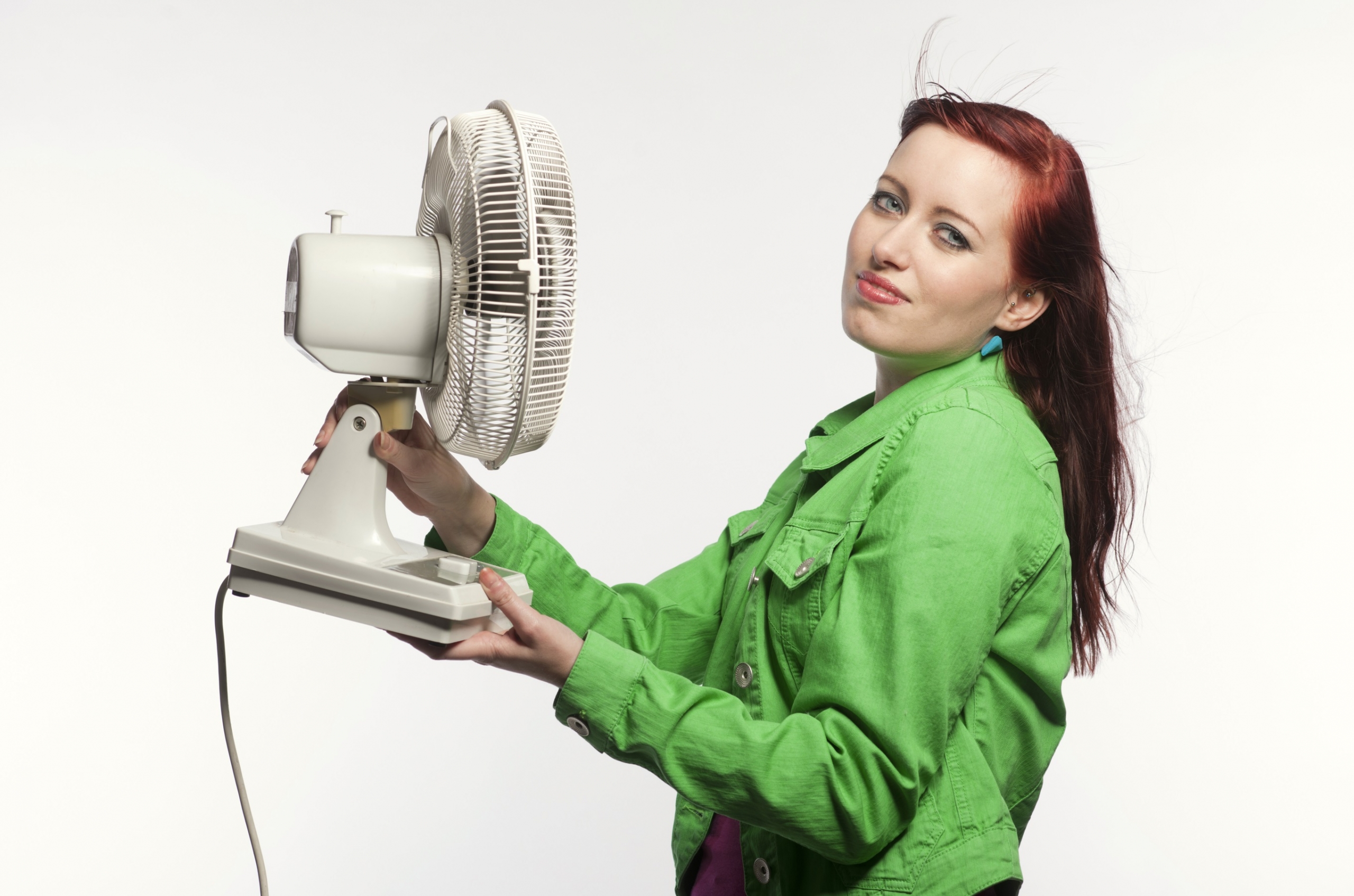 “Talk to your doctor if you are worried about:
- Feel very tired or fatigued (to rule out loss of iron from heavy periods)
- Have symptoms that are interfering with your daily activities, including exercise and work, your relationships or your quality of life
- Have increased premenstrual syndrome (PMS) symptoms during perimenopause
- You have concerns about your emotional or mental health”.10
In Menopause: Diagnosis & Treatment – Treatment the Mayo Clinic also encourage us to seek help:
On page 4 in The Menopause: Conclusions the (British) Women’s Health Concern also note:
Above all, bear in mind that your health is your responsibility and that you are in charge. This is a time when your body deserves some tender loving care”.12
Who is a GP?
Dots and/or DotC (Depending on the Country) a GP may be a registered general practitioner, a medical practitioner, a medical doctor or a doctor.
Health Topics A-Z
Where may I find Health Topics A-Z related to Menopause Management?
In Health Topics A-Z you may find:
Links
Where may I find Links related to Menopause Management?
Your Country may have Links similar to:
Links
This Links List to third party websites is neither comprehensive nor exhaustive. Inclusion on this Links List does not imply endorsement or recommendation. Non-inclusion on this Links List does not imply non-endorsement or non-recommendation. Third party websites are not under the control of Meno Martha International Menopause Directory. Third party websites may contain explicit medical images and/or sexual references. Please read Meno Martha International Menopause Directory’s Links Policy before proceeding to a Link. Please contact Webmaster if you experience a problem with a Link.New or Updated
- A Man’s Guide To Menopause [18 March 2026]
- EMAS On-Demand Webinars [European Menopause and Andropause Society] [Multiply Languages]: Genitourinary Syndrome of Menopause (GSM): Unmet Needs, Treatment Gaps, and Opportunities for Better Care [16 March 2026]
- FDA Direct: Removing Black Box Warnings for HRT (Part 1/2) [10 November 2025]
- International Menopause Society (IMS) Recommendations and Key Messages on Women’s Midlife Health and Menopause [23 December 2025]
- Testosterone and Breaking the Stigma [11 March 2026]
- The Menopause Gap: Why Some Women Suffer More and Get Less Care [08 January 2026]
- ACOG Explains: Managing Menopause Symptoms [American College of Obstetricians and Gynecologists]
- A Man’s Guide To Menopause
- Addressing Menopause Symptoms
- An Empowerment Model for Managing Menopause
 Askearlymenopause.org [Ask EM] [+ Video: What Is Early Menopause?]
- BMS TV: Menopause – Weight Gain, Nutrition and Lifestyle
- Bioidentical Hormones: Are They Safer?
- Cognitive Behaviour Therapy (CBT) for Menopausal Symptoms
- Complementary & Alternative Therapies: Non-Hormonal Treatments for Menopause Symptoms
- Complementary Medicines and Therapies for Hot Flushes
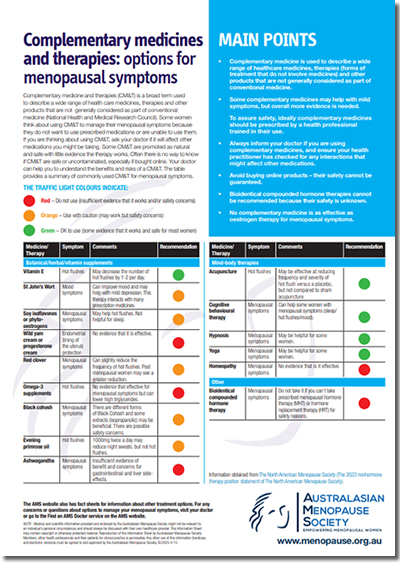
- Complementary Medicines and Therapies: Options for Menopausal Symptoms
- Consumer Video and Podcast Series: 2024 Consumer Videos and Podcasts – Cognitive Behavioral Therapy and Menopause
- Consumer Video and Podcast Series: 2024 Consumer Videos and Podcasts – Preparing for Your Menopause Health Care Visit
- Consumer Video and Podcast Series: 2025 Consumer Videos and Podcasts – Three Symptoms Linked To Cognitive Complaints
- Deciding About Hormone Therapy Use
- EMAS On-Demand Webinars [European Menopause and Andropause Society] [Multiply Languages]: Genitourinary Syndrome of Menopause (GSM): Unmet Needs, Treatment Gaps, and Opportunities for Better Care
- EMAS On-Demand Webinars [European Menopause and Andropause Society] [Multiply Languages]: Menopause and Mental Health: Managing Anxiety, Depression, and Cognitive Changes
- Emotional Wellness In Menopause
- Experts Answer Your Menopause Questions In New Video
- FDA Direct: Removing Black Box Warnings for HRT (Part 1/2)
- FDA Direct: Removing Black Box Warnings for HRT (Part 2/2)
- Find A Menopause Practitioner [United States and Other]
- Find A Practitioner [Australasian Menopause Society i.e. Australia and New Zealand]
- Find Your Nearest BMS Menopause Specialist [British Menopause Society]
- Genitourinary Syndrome of Menopause
- Genitourinary Syndrome of Menopause
- Handling Hot Flushes and Night Sweats| Dr Louise Newson
- Hormone Therapy: Is It Right for You?
- How To Talk To Your Doctor About Menopause
- How Vaginal Hormones Can Transform the Health of Women
- International Menopause Society (IMS) Recommendations and Key Messages on Women’s Midlife Health and Menopause
- Later Years (Around 50 Years and Over): Menopause and Post Menopause Health – Early and Premature Menopause [+ Video: Menopause Only Happens In Your 50s]
- Later Years (Around 50 Years and Over): Menopause and Post Menopause Health – Menopause [+ Video: Menopause]
- Later Years (Around 50 Years and Over): Menopause and Post Menopause Health – Menopause and Your Mental Wellbeing [+ Video: Menopause Only Affects You Physically!]
- Looking After Yourself Around the Time of Menopause [Multiply Languages]
- Management of Menopausal Symptoms: A Review
- Management of Menopause
- Management of Perimenopausal and Menopausal Symptoms
- Managing Menopause In the ‘Disinformation Era’: Beware Supplements, Celebrity Cure-Alls
- Managing Menopause Symptoms [+ Video Courtesy: Mayo Clinic News Network]
- Menopause
- Menopause
- Menopause

- Menopause
- Menopause Basics
- Menopause Fact Sheet
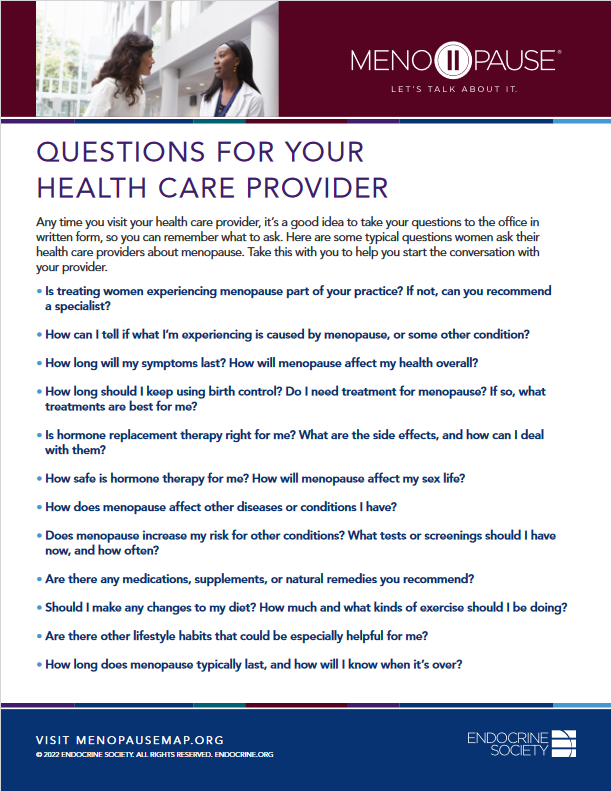
- Menopause Map: Downloadable Resources – My Personal Path Print Tools: Questions for Your Health Care Provider
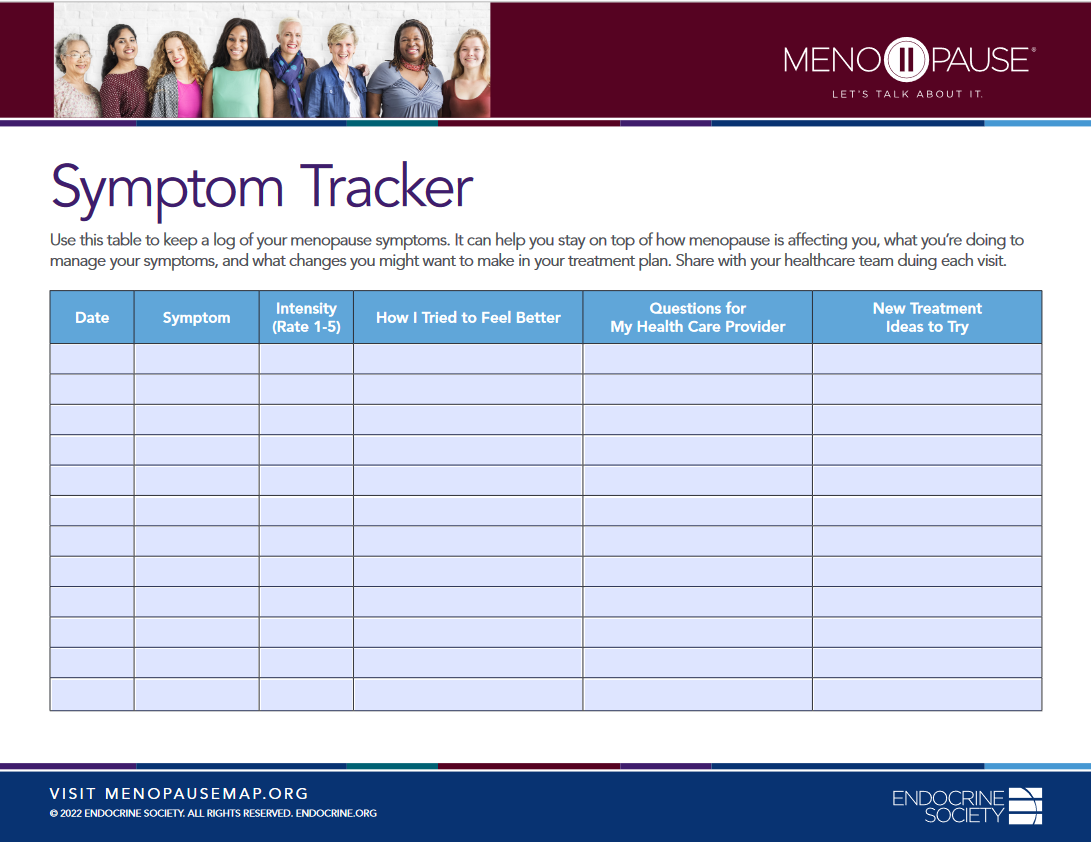
- Menopause Map: Downloadable Resources – My Personal Path Print Tools: Symptom Tracker
- Menopause Symptoms and Relief
- Menopause Symptoms: Mayo Clinic Expert Outlines Hormone and Nonhormonal Therapies
- Menopause Treatment
- Menopause Treatments: What Works, What Doesn’t
- Menopause What Are the Symptoms?
- Menopause and Mental Health
- Menopause and Sleep
- Menopause: Ensuring A Tranquil Transition
- Menopause: Identification and Management [NICE Guideline]
- Menopause: Identification and Management [NICE Guideline]

- Menopause: Things You Can Do
- Menopause: Your Choice of Language
- Mood and the Menopause
- Monitoring Menopause Symptoms
- Mymenoplan.org [My Menoplan, United States]
- National Center for Complementary and Integrative Health: Herbs At A Glance
- National Center for Complementary and Integrative Health: How Safe Is This Product or Practice?
- National Women’s Health Week 2025 [11-17 May]: Navigating the Road To Menopause

- Navigating Menopause Care Resource Guide
- Non-Hormonal Treatments for Menopausal Symptoms
- Nonhormone Treatments for Hot Flashes and Night Sweats
- Online Events [International Menopause Society]: CAMS Menopause Hour Webinars – A Practical Approach To the Management of Menopause
- Online Events [International Menopause Society]: IMS Partnership Symposia Series – What’s Hot? Options for Treatment of Hot Flushes 2025
- Online Events [International Menopause Society]: Past Webinars – 2025: Lifestyle Medicine
- Online Events [International Menopause Society]: Past Webinars – 2025: The Burn, the Itch, the Pain, the Urge: GSM In Women
- Online Events [International Menopause Society]: Sponsored Symposium – Weight, Wellness, and Women At Midlife: Rethinking Obesity In Menopause
- Perimenopause and Menopause Checklist: Translated Checklists
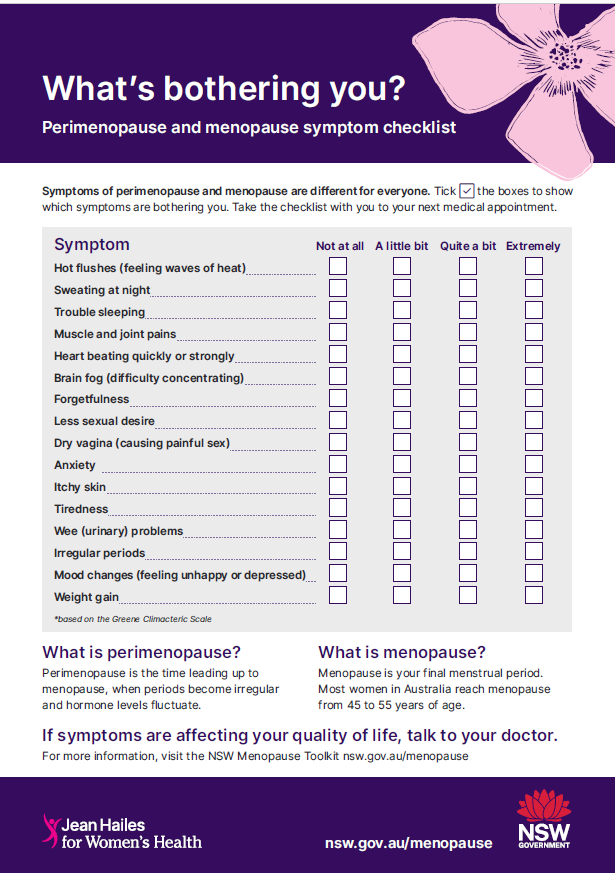
- Perimenopause and Menopause Symptom Checklist
- Prioritizing Care During Midlife: Personal, Professional, and Health Care Strategies for Women
- Prosayla Supported By ISSWSH [International Society for the Study of Women’s Sexual Health]
- Shedding Light on the Menopause Experience and Demystifying Treatment
- Supplements: What Works, What Doesn’t and the Truth About Menowashing
- Testosterone and Breaking the Stigma
- The 2023 Practitioner’s Toolkit for Managing Menopause
- The Menopause Gap: Why Some Women Suffer More and Get Less Care
- The Menopause Society Show: Menopause and Weight Gain
- The Menopause Society Statement on Misinformation Surrounding Hormone Therapy
- The Menopause [Multiply Languages]
- Tips To Help Manage Menopause Symptoms
- Top 5 Menopause Articles of 2025
- Top Menopause Questions Answered: Hormones, Bones, Sex & Sleep
- Treatments for Menopause
- Video & Podcast Library: Videos – World Menopause Day 2024: Menopause and Hormone Therapy: Current Perspectives and Controversies
- Videos & Podcasts: Videos – Menopause and Hormone Therapy: Current Perspectives and Controversies
- Videos and Podcasts: Videos – A Simple Approach To Menopause: The Menopause Quick Six (www.MQ6.ca)
- Weight, Wellness, and Women At Midlife: Rethinking Obesity In Menopause
- What Is Menopause? [+ Video]
- What Is the Difference Between Perimenopause, Menopause and Postmenopause?
- When Does Perimenopause Start and How Do You Define the Beginning
- Why Men Need To Understand The Menopause & Women’s Hormones | Dr Louise Newson
- World Menopause Day 2024: Leaflet for Women [Multiply Languages]
Sources
Where may I find the Sources quoted above?
You may find the Sources at:
Sources
- How To Manage Menopausal Symptoms: Managing Menopausal Symptoms. Jean Hailes for Women’s Health https://www.jeanhailes.org.au/health-topics/menopause/how-to-manage-menopausal-symptoms/ Accessed: 19 March 2026
- How To Manage Menopausal Symptoms: Managing Menopausal Symptoms. Jean Hailes for Women’s Health https://www.jeanhailes.org.au/health-topics/menopause/how-to-manage-menopausal-symptoms/ Accessed: 19 March 2026
- Looking After Yourself Around the Time of Menopause. Jean Hailes for Women’s Health https://www.jeanhailes.org.au/health-topics/menopause/looking-after-yourself-around-the-time-of-menopause/ Accessed: 19 March 2026
- Davis, S. R., Taylor, S., Hemachandra, C., Magraith, K., Ebeling, P. R., Jane, F., and Islam, R. M. The 2023 Practitioner’s Toolkit for Managing Menopause: Management – Considerations for All Women At Menopause. First Published Online: 30 October 2023 https://www.tandfonline.com/doi/full/10.1080/13697137.2023.2258783 Accessed: 19 March 2026
- Hamoda, H., Mukherjee, A., Morris, E., Baldeweg, S. E., Jayasena, C. N., Briggs, P., Moger, S. Joint Position Statement By the British Menopause Society, Royal College of Obstetricians and Gynaecologists and Society for Endocrinology on Best Practice Recommendations for the Care of Women Experiencing the Menopause. First Published Online 10 June 2022:3-4. https://journals.sagepub.com/doi/full/10.1177/20533691221104879 Accessed: 19 March 2026
- Davis, S. R., Taylor, S., Hemachandra, C., Magraith, K., Ebeling, P. R., Jane, F., and Islam, R. M. The 2023 Practitioner’s Toolkit for Managing Menopause: Management – Considerations for All Women At Menopause: General Advice for Symptom Management. First Published Online: 30 October 2023 https://www.tandfonline.com/doi/full/10.1080/13697137.2023.2258783 Accessed: 19 March 2026
- Menopause: Diagnosis & Treatment – Treatment. 07 August 2024. Mayo Clinic https://www.mayoclinic.org/diseases-conditions/menopause/diagnosis-treatment/drc-20353401 Accessed: 19 March 2026
- Davis, S. R., Taylor, S., Hemachandra, C., Magraith, K., Ebeling, P. R., Jane, F., and Islam, R. M. The 2023 Practitioner’s Toolkit for Managing Menopause: Management – Considerations for All Women At Menopause: Menopausal Hormone Therapy. First Published Online: 30 October 2023 https://www.tandfonline.com/doi/full/10.1080/13697137.2023.2258783 Accessed: 19 March 2026
- Perimenopause: Living With – What Questions Should I Ask My Healthcare Provider? Last Reviewed: 08 August 2024. Cleveland Clinic https://my.clevelandclinic.org/health/diseases/21608-perimenopause Accessed: 19 March 2026
- Menopause: Diagnosis & Treatment – Preparing for Your Appointment: What You can Do. 07 August 2024. Mayo Clinic https://www.mayoclinic.org/diseases-conditions/menopause/diagnosis-treatment/drc-20353401 Accessed: 19 March 2026
- Menopause. What Is Perimenopause? When To See Your Doctor. Jean Hailes for Women’s Health https://www.jeanhailes.org.au/health-topics/menopause/ Accessed: 19 March 2026
- Menopause: Diagnosis & Treatment – Treatment. 07 August 2024. Mayo Clinic https://www.mayoclinic.org/diseases-conditions/menopause/diagnosis-treatment/drc-20353401 Accessed: 19 March 2026
- The Menopause: Conclusions. Publication Date: November 2022:4. Women’s Health Concern https://www.womens-health-concern.org/wp-content/uploads/2022/12/15-WHC-FACTSHEET-The-Menopause-NOV2022-B.pdf Accessed: 19 March 2026
Topic Last Updated: 19 March 2026 – Topic Last Reviewed: 19 March 2026