
“Your menstrual cycle could become longer
or shorter than usual.
Your bleeding could also be heavier or lighter than normal”.1
Umbrella
What may the Perimenopausal Bleeding Umbrella include?
Depending on the Source (DotS) this Umbrella may include:
- Abnormal Uterine Bleeding (AUB)
- Perimenopausal Bleeding/Menstrual Cycle
Perimenopause
What is perimenopause?
DotS the definition of perimenopause may vary. In Menopause: Key Facts the World Health Organization’s definition is:
- “The menopausal transition can be gradual, usually beginning with changes in the menstrual cycle. Perimenopause refers to the period from when these signs are first observed and ends one year after the final menstrual period”.2
Perimenopause Periods
What may perimenopause periods be like?
In Menopause: How Do You Know You Are In Perimenopause? the (Australian) Jean Hailes for Women’s Health (JH) explain on:
- Irregular
- Shorter or longer than usual
- Lighter or heavier than usual
- Absent for a few months”.3
Period Pattern
 During perimenopause, do most women have a fairly consistent period pattern?
In Perimenopause: Abnormal Uterine Bleeding the Menopause Society (formerly the North American Menopause Society) explain:
“What is considered a normal menstrual cycle varies greatly from woman to woman. Still, in the years approaching perimenopause, most women will have a pattern that’s fairly consistent, so any changes in their bleeding pattern may be noticeable. To determine whether these changes are of concern, it is important that a woman consults with a healthcare professional. Keep in mind that it can be useful to track the bleeding on a calendar or smartphone app so that it can be easily reviewed and assessed”.4
Menstrual Calendar
Where may I find a menstrual calendar to keep a record of perimenopausal bleeding?
The Menopause Society’s website includes:
Menstrual Calendars
PMS
Can premenstrual syndrome (PMS) get worse?
In Perimenopause: Symptoms and Causes – What Are Periods Like During Perimenopause? the Cleveland Clinic note:
Health Care Provider
 What if I think I have perimenopausal bleeding?
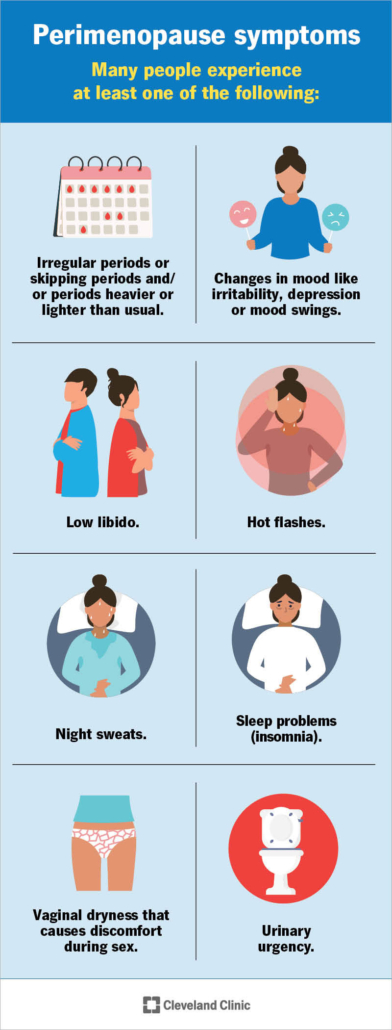
In Perimenopause: Symptoms and Causes – How Can I Reduce My Risk of Perimenopause Complications? the Cleveland Clinic elaborate on:
- Your periods become very heavy or contain large blood clots
- You change pads or tampons every one to two hours
- Your periods last several days longer than usual
- You spot or bleed between periods
- You bleed after sex
- Your periods occur less than 21 days apart”.6
In Periods: When To See Your Doctor About Your Periods the JH explain:
- Heavy periods
- Painful periods
- Absent periods
- Unusual bleeding (e.g. bleeding between periods, after having sex or after menopause)”.7
Health Topics A-Z
Where may I find Health Topics A-Z related to Perimenopausal Bleeding?
In Health Topics A-Z you may find:
Links
Where may I find Links related to Perimenopausal Bleeding?
Your Country may have Links similar to:
Links
This Links List to third party websites is neither comprehensive nor exhaustive. Inclusion on this Links List does not imply endorsement or recommendation. Non-inclusion on this Links List does not imply non-endorsement or non-recommendation. Third party websites are not under the control of Meno Martha International Menopause Directory. Third party websites may contain explicit medical images and/or sexual references. Please read Meno Martha International Menopause Directory’s Links Policy before proceeding to a Link. Please contact Webmaster if you experience a problem with a Link.New or Updated
- Alarm Over Menstrual Tracking Apps [02 October 2026]
- Bleeding After Sex: What It Means and When To See A Doctor [12 May 2026]
- Bleeding on HRT: What’s Normal and What’s Not [14 April 2026]
- Can Perimenopause Cause Your Periods To Be Closer Together? [22 May 2026]
- Let’s Talk About Heavy & Painful Periods [22 May 2026]
- Let’s Talk Period Health, Mental Health and Their Relationship [02 April 2026]
- ACOG Explains: Bleeding Changes In Perimenopause [American College of Obstetricians & Gynecologists]
- Abnormal Uterine Bleeding
- Abnormal Uterine Bleeding
- Alarm Over Menstrual Tracking Apps [02 October 2026]
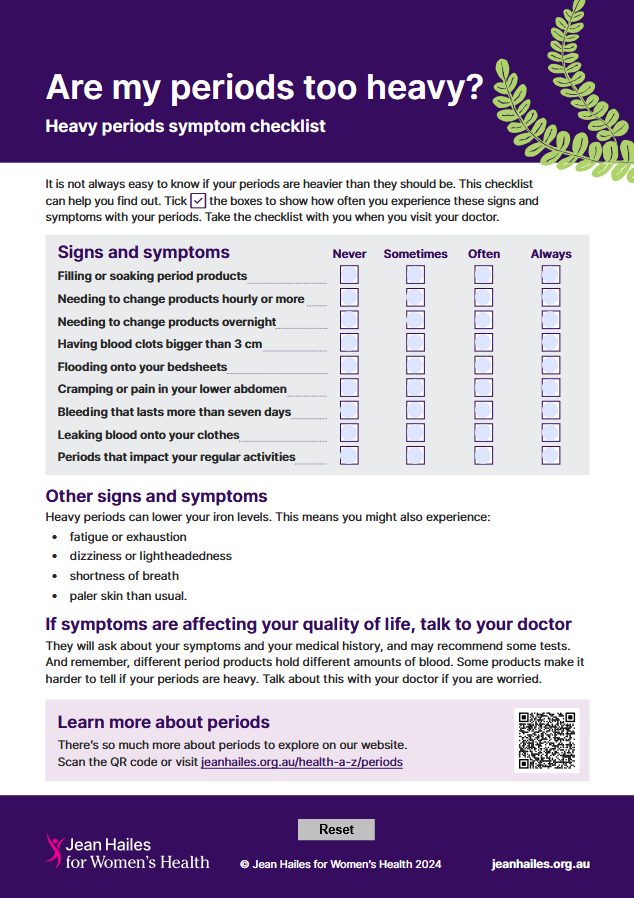
- Are My Periods Too Heavy?
- Bleeding After Sex: What It Means and When To See A Doctor
- Bleeding Between Periods? How To Tell If It’s A Problem
- Bleeding Disorders In Women
- Bleeding Disorders In Women: Signs and Symptoms of Bleeding Disorders In Women
- Bleeding During Menopause | Dr Louise Newson [Video]
- Bleeding on HRT Explained | Dr Louise Newson Live
- Bleeding on HRT: What’s Normal and What’s Not
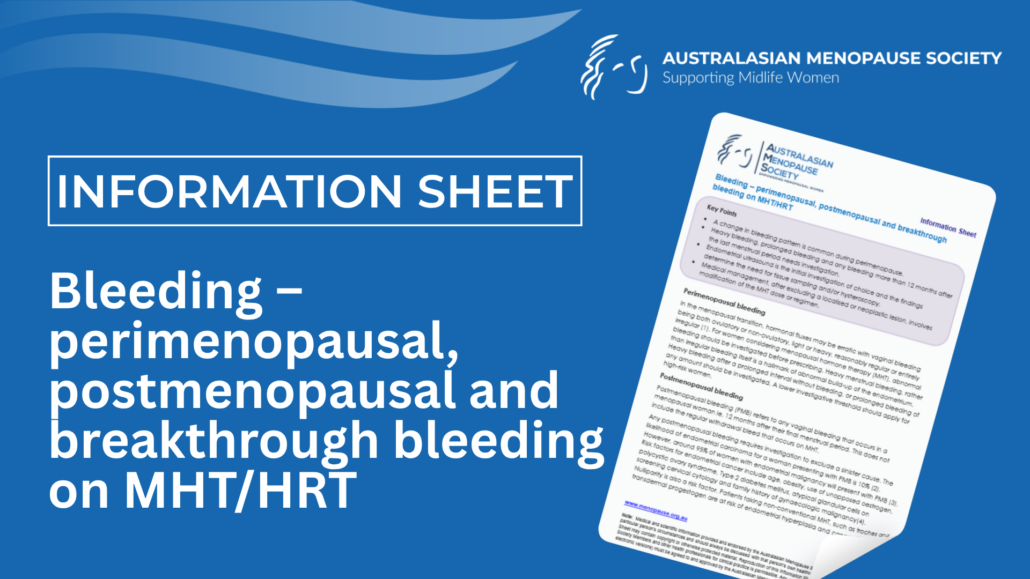
- Bleeding – Perimenopausal, Postmenopausal and Breakthrough Bleeding on MHT/HRT | Information Sheet
- Blood Clots During Menstruation: A Concern?
- Can HRT Stop Your Periods?
- Consumer Video and Podcast Series: 2024 Consumer Videos and Podcasts – Preparing for Your Menopause Health Care Visit
- Consumer Video and Podcast Series: 2025 Consumer Videos and Podcasts – Abnormal Uterine Bleeding—When To See A Clinician
- Do My Period Changes Mean Perimenopause?
- Endometriosis
- Everything You Need To Know About Endometriosis | Dr Louise Newson
- FAQs: Abnormal Uterine Bleeding
- FAQs: Dysmenorrhea: Painful Periods
- FAQs: Endometriosis
- FAQs: Heavy Menstrual Bleeding
- FAQs: Perimenopausal Bleeding and Bleeding After Menopause
- Find A Member [Australasian Menopause Society i.e. Australia and New Zealand]
- Find A Menopause Practitioner [The Menopause Society: United States and Other]
- Find Your Nearest BMS Menopause Specialist [British Menopause Society]
- Gynecologic Cancer Awareness Month [September]
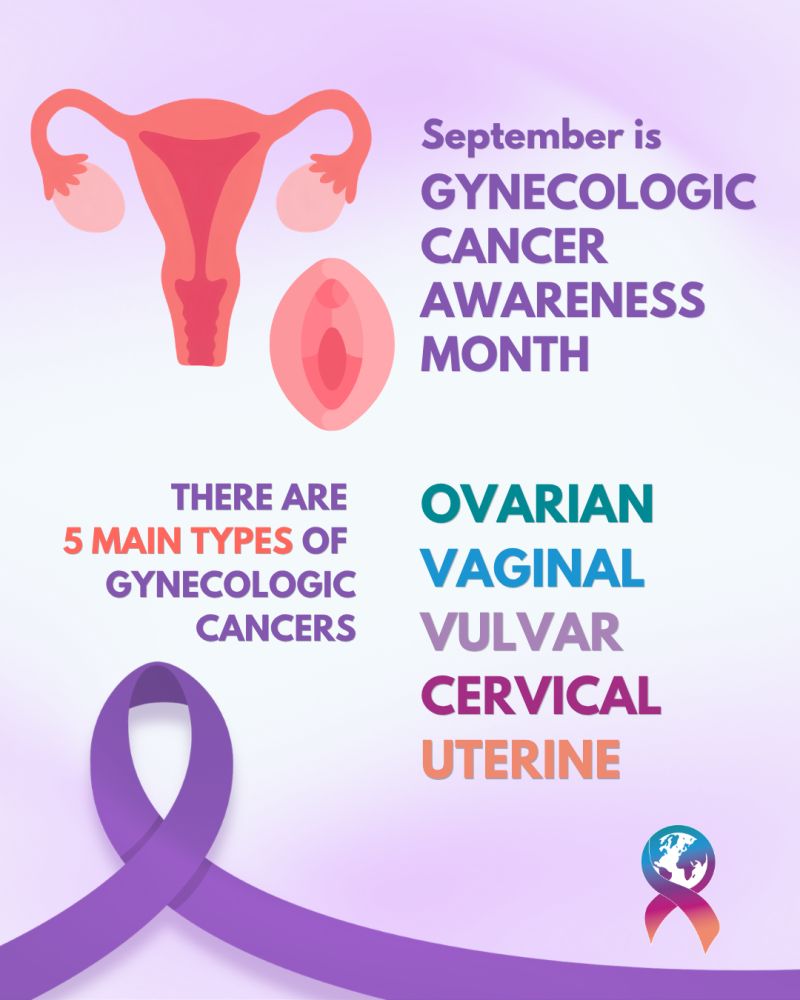
- Gynecologic Cancers
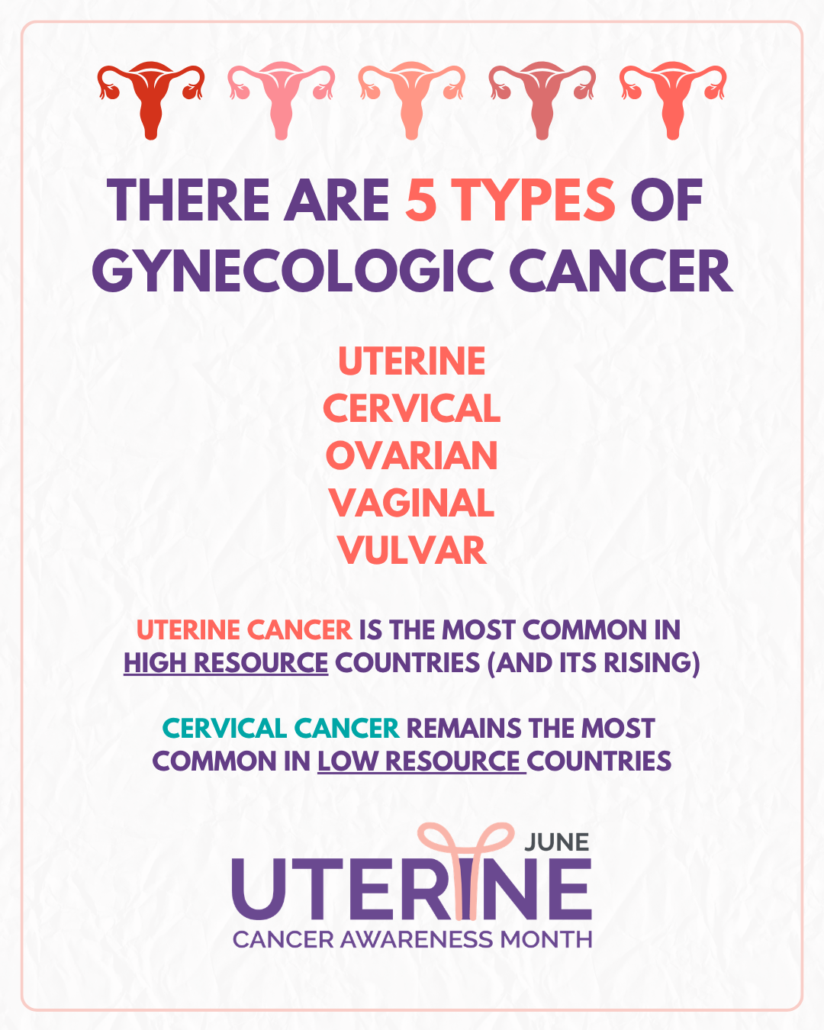
- Gynecological Cancers
- Heavy Periods
- Heavy Periods
- Heavy Periods
- Heavy Periods (Menorrhagia) [Multiply Languages]
- Heavy Periods: Signs and Treatment | NHS
- International Menopause Society (IMS) Recommendations and Key Messages on Women’s Midlife Health and Menopause
- Irregular Periods
- Let’s Talk About Heavy & Painful Periods
- Let’s Talk Period Health, Mental Health and Their Relationship
- Managing Heavy Menstrual Bleeding
 Menopause
- Menopause
- Menopause Checklist Podcast: Episode 2: Bye Bye Periods
- Menopause [Multiply Languages]
- Menopause Map: Downloadable Resources – My Personal Path Print Tools: Questions for Your Health Care Provider
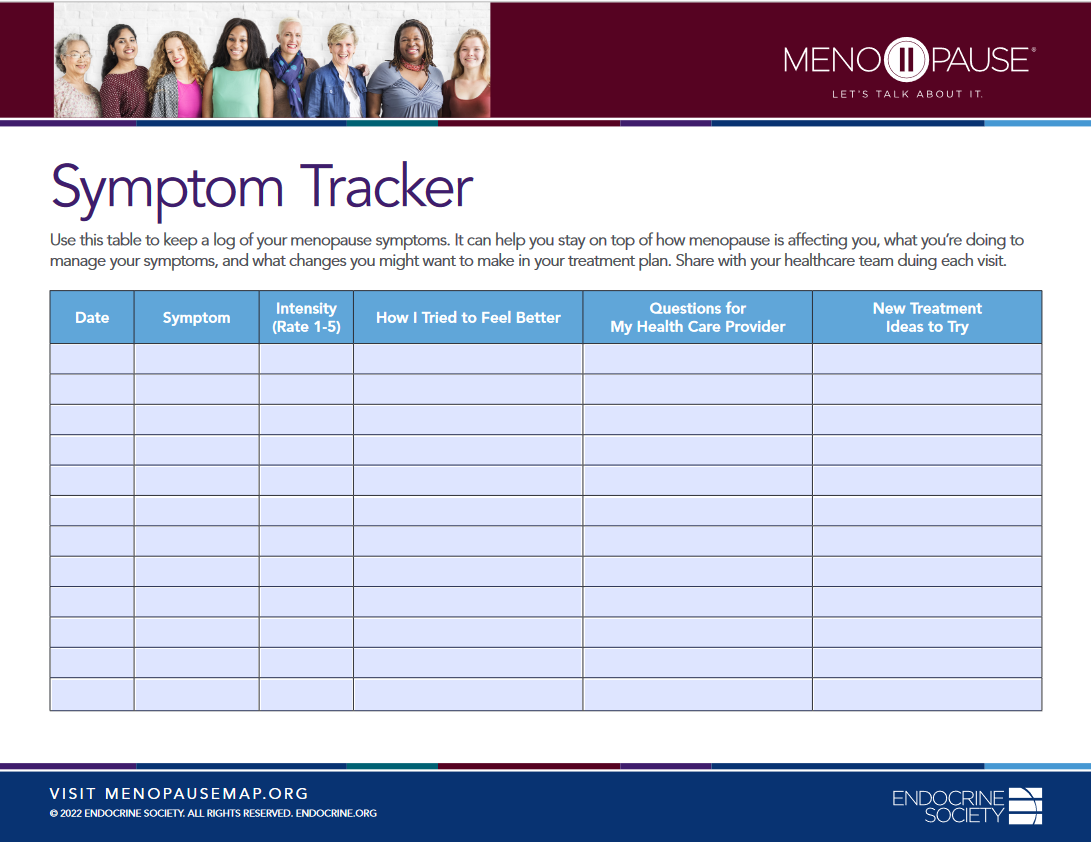
- Menopause Map: Downloadable Resources – My Personal Path Print Tools: Symptom Tracker
- Menopause What Are the Symptoms?
- Menopause: Identification and Management [NICE Guideline]
- Menopause: Identification and Management [NICE Guideline]

- Menopause: Symptoms – Changes To Your Periods
 Menorrhagia (Heavy Menstrual Bleeding)
- Menstrual Calendar
- Menstrual Calendar: Calendario Menstrual [Spanish]
- Menstrual Calendar: Calendrier Menstruel [French]
- Menstrual Cycle
- Menstrual Cycle: What’s Normal, What’s Not
- Menstrual Cycle: What’s Normal, What’s Not – How Can I Track My Menstrual Cycle?
- Menstrual Hygiene Day [28 May]
- My Periods Have Changed. Is Menopause Around the Corner?
- National Center for Complementary and Integrative Health: How Safe Is This Product or Practice?
- Navigating Menopause Care Resource Guide
- Online Events [International Menopause Society]: Past Webinars – 2026: New IMS Recommendations – Midlife Body Changes
- Ovarian Cancer/Primary Peritoneal
- PMS and PMDD | Dr Louise Newson
- Perimenopause
- Perimenopause
- Perimenopause, PMS, and PCOS: All About the Period
- Perimenopause and Menopause Checklist: Translated Checklists
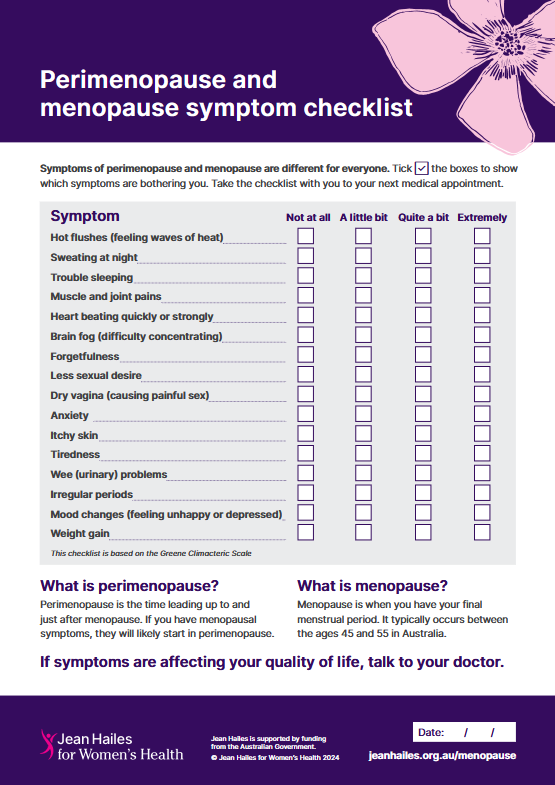
- Perimenopause and Menopause Symptom Checklist
- Perimenopause and Menopause Toolkit
- Period Symptom Checker

- Periods
- Periods
- Periods (Menstruation)
- Periods (Menstruation) [Other Languages and Formats]
- Periods [Multiply Languages]
- Periods: Overview – Menstrual Cycle: Animation
- Periods: Period Problems
- Premenstrual Dysphoric Disorder (PMDD)
- Premenstrual Syndrome (PMS)
- Premenstrual Syndrome (PMS)
- Talk About Heavy Periods
- The Eve Appeal [United Kingdom]
- Tips for Tracking Your Bleeding
- Uterine Bleeding: Abnormal Uterine Bleeding
- Uterine/Endometrial Cancer/GDT
- Vaginal Bleeding
- Vaginal Cancer
- What Are Heavy Periods?
- What Causes Bleeding Between Periods?
- What Is An Endometrial Biopsy?
- What Is Endometriosis?
- What Is the Difference Between Perimenopause, Menopause and Postmenopause?
- When Does Perimenopause Start and How Do You Define the Beginning?
- Why Is Bleeding So Heavy?
- Your Daily Dose: Let’s Unpack Menopause
- Your Daily Dose: Perimenopause, Don’t Suffer In Silence
- Your Daily Dose: Perimenopause, Here’s What To Know
Sources
Where may I find the Sources quoted?
You may find the Sources quoted at:
Sources
- Perimenopause: Symptoms and Causes – What Are Periods Like During Perimenopause? Last Reviewed: 29 July 2024. Cleveland Clinic https://my.clevelandclinic.org/health/diseases/21608-perimenopause Accessed: 11 October 2026
- Menopause: Key Facts. 16 October 2024. World Health Organization https://www.who.int/news-room/fact-sheets/detail/menopause Accessed: 11 October 2026
- Menopause: How Do You Know You Are In Perimenopause? Jean Hailes for Women’s Health https://www.jeanhailes.org.au/health-topics/menopause/#section-how-do-you-know-if-youve-reached-menopause Accessed: 11 October 2026
- Perimenopause: Abnormal Uterine Bleeding. Menopause Society https://menopause.org/patient-education/menopause-topics/perimenopause Accessed: 11 October 2026
- Perimenopause: Symptoms and Causes – What Are Periods Like During Perimenopause? Last Reviewed: 29 July 2024. Cleveland Clinic https://my.clevelandclinic.org/health/diseases/21608-perimenopause Accessed: 11 October 2026
- Perimenopause: Symptoms and Causes – How Can I Reduce My Risk of Perimenopause Complications? Last Reviewed: 29 July 2024. Cleveland Clinic https://my.clevelandclinic.org/health/diseases/21608-perimenopause Accessed: 11 October 2026
- Periods: When To See Your Doctor About Your Periods. Jean Hailes for Women’s Health https://www.jeanhailes.org.au/health-topics/periods/ Accessed: 11 October 2026
Topic Last Updated: 11 October 2026 – Topic Last Reviewed: 11 October 2026