
“Urinary incontinence — the loss of bladder control —
is a common and often embarrassing problem. The severity
ranges from occasionally leaking urine when you…”.1
Umbrella
What may the Urinary Incontinence Umbrella include?
Depending on the Source (DotS) this Umbrella may include:
- Bladder Incontinence
- Bladder leakage
- Bladder Weakness
- Continence
- Incontinence
- Light Bladder Leakage (LBL)
- Overactive Bladder (OAB)
- Urinary Incontinence (UI)
- Weak Bladder
Urinary Incontinence
What is urinary incontinence (UI)?
DotS the definition of UI may vary. The (United States) Mayo Clinic’s definition is:
“Urinary incontinence — the loss of bladder control — is a common and often embarrassing problem. The severity ranges from occasionally leaking urine when you cough or sneeze to having an urge to urinate that’s so sudden and strong you don’t get to a toilet in time”.2
Women
Is UI more common in women?
In Urinary Incontinence: Overview – Is Incontinence More Common In Women? according to the (United States) Cleveland Clinic:
“Yes, incontinence is more common in females. Pregnancy, childbirth and menopause can all lead to bladder control problems”.3
Common Types
What are common types of UI?
The (United Kingdom) NHS note:
“Most people with urinary incontinence have either stress incontinence or urge incontinence”.4
 Different Types
What are different types of UI?
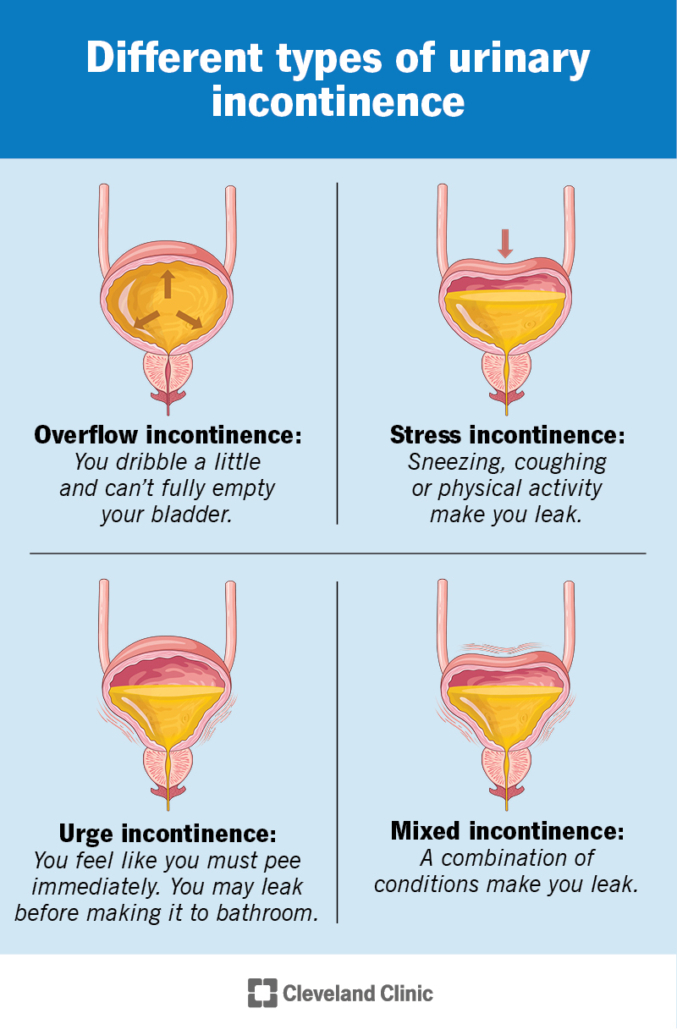
DotS different types of UI may include:
- Stress Incontinence
- Urge Incontinence
- Mixed Incontinence
- Overflow Incontinence
1. Stress Incontinence
What is stress incontinence?
DotS the definition of stress incontinence may vary. In Urinary Incontinence In Women: What Is Incontinence? | Fact Sheet the Australasian Menopause Society elaborate on:
2. Urge Incontinence
What is urge incontinence?
DotS the definition of urgency incontinence may vary. In Urge Incontinence Continence Health of Australia elaborate on:
You may notice:
- A sudden, urgent need to urinate (wee)
- Accidental leaking before you get to the toilet
- Needing to go to the toilet more often.
- Even without leaks, urgency can interfere with daily life”.6
3. Mixed Incontinence
What is mixed incontinence?
DotS the definition of urge incontinence may vary. In Urinary Incontinence: What Is Incontinence? What Are the Different Types of Incontinence the Cleveland Clinic’s definition is:
4. Overflow Incontinence
What is overflow incontinence?
DotS the definition of overflow incontinence can vary. The Mayo Clinic’s definition is:
- “Overflow incontinence. You experience frequent or constant dribbling of urine due to a bladder that doesn’t empty completely”.8
Cause
What may cause UI?
In Urinary Incontinence: Causes and Treatment – Urinary Incontinence Overview the (United States) National Association for Continence (NAFC) note:
In Urinary Incontinence: What Causes Urinary Incontinence? [+ Diagram] the (Australian) Jean Hailes for Women’s Health (JH) explain:
Incontinence can also happen when pelvic floor muscles are too tight (overactive).
Some causes of urinary incontinence are:
- Pregnancy and childbirth
- Pelvic organ prolapse
- Constipation or pushing hard when doing a poo
- Repetitive lifting of heavy weights – at the gym, at work, in the garden or even when lifting children
- Being overweight or obese
- Coughing caused by smoking and chronic lung disease
- Chronic sneezing (e.g. due to hay fever).
Urinary incontinence is also associated with:
- Changes around the time of menopause (e.g. the pelvic floor becomes weaker and the bladder less elastic)
- Diabetes
- Pelvic or abdominal surgery
- Certain medicines such as fluid tablets (diuretics)”.10
Aging
Is there an association between aging and UI?
In Urinary Incontinence: Symptoms & Causes – Overview the Mayo Clinic note:
Menopause
Is there an association between menopause and UI?
In Menopause: Menopausal Symptoms – Bladder, Vaginal and Vulval Problems: Bladder (Urinary) Problems the JH note:
 “Ageing and menopause can cause your pelvic floor muscles to become weaker. Your pelvic floor muscles help you to hold your wee in.
Menopause also causes your bladder to become less elastic, which means it can’t hold as much wee as it used to. These changes can lead to urinary symptoms such as:
- Needing to wee often and with a sense of urgency
- A burning sensation or pain when weeing
- Blood in your wee
- Wee leakage, especially when coughing, sneezing or laughing
- Recurrent urinary tract infections (UTIs).
These factors can lead to incontinence, for example, wee leakage. You don’t have to put up with incontinence. You can ask your doctor for a referral to a continence nurse or pelvic floor physiotherapist to help strengthen your pelvic floor muscles”.12
Prevention
Can UI be prevented?
In Urinary Incontinence: Overview – Preventing Urinary Incontinence the NHS elaborate on:
These include:
- Maintaining a healthy weight
- Changing your drinking habits, including cutting down on alcohol
- Doing pelvic floor muscle exercises”.13
Treatment
What may UI treatment involve?
In Managing Incontinence In Perimenopause & Menopause: Treating Incontinence During Your Perimenopause and Menopause Years the NAFC elaborate on:
- Watch your diet…
- Pelvic floor strengthening…
- Physical therapy…
- Posture…
- Weight management…
- Improve sleep…
- Hormone therapy…
- Other medications…
- Pessaries…
- Third line therapies…
- Surgery…”.14
Products
Are products available to help manage UI?
Your Country may have a website similar to the international Continence Product Advisor.org which may provide information about different types of continence management products or a Helpline.
Helpline
Do some Countries have a national Continence/Incontinence Helpline?
Yes. Your Country may have a Helpline similar to the Continence Foundation of Australia’s National Continence Helpline.
Toilet Maps, Cards or Apps
Do some Countries have toilet maps, cards or Apps?
Yes. Your Country may have a toilet map similar to Australia’s National Public Toilet Map. About the Toilet Map explains:
“he National Public Toilet Map shows the location of more than 23,000 public and private public facilities across Australia, including toilets, adult change and baby care. Information is provided about each toilet, such as location, accessibility details, opening hours and features like sharps disposal and showers”.15
Or your Country may have a card or App similar to the (United Kingdom) Bladder & Bowel Community’s (B&B) Free Just Can’t Wait Toilet Card.
Health Care Provider
What if I think I have UI?
If you think you have UI, it may be in your best interest to choose to talk to your health care provider about this. In Bladder Conditions and Symptoms the B&B note:
“The first and most important point to remember is that everyone with a bladder problem can be helped and many can be completely cured”.16
Health Topics A-Z
Where may I find Health Topics A-Z related to Urinary Incontinence?
In Health Topics A-Z you may find:
Links
Where may I find Links related to Urinary Incontinence?
Your Country may have Links similar to:
Links
This Links List to third party websites is neither comprehensive nor exhaustive. Inclusion on this Links List does not imply endorsement or recommendation. Non-inclusion on this Links List does not imply non-endorsement or non-recommendation. Third party websites are not under the control of Meno Martha International Menopause Directory. Third party websites may contain explicit medical images and/or sexual references. Please read Meno Martha International Menopause Directory’s Links Policy before proceeding to a Link. Please contact Webmaster if you experience a problem with a Link.New or Updated
- Continence.org.au [Continence Health Australia]
- EMAS On-Demand Webinars [European Menopause and Andropause Society] [Multiply Languages]: Genitourinary Syndrome of Menopause (GSM): Diagnosis and Evidence-Based Management [10 April 2026]
- Online Events [International Menopause Society]: IMS Partnership Symposia Series – It Is Not Just Incontinence – Common Bladder Problems Around Menopause [15 April 2026]
- Online Events [International Menopause Society]: Past Webinars – 2025: The Burn, the Itch, the Pain, the Urge: GSM In Women [15 April 2025]
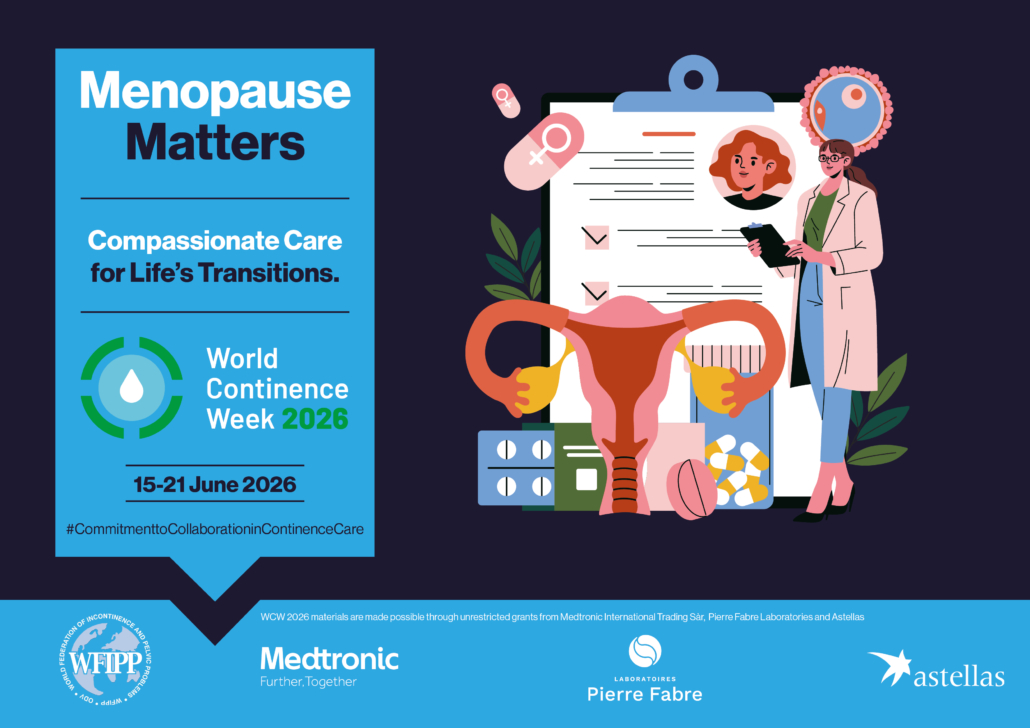
- World Continence Week 2026 [15-21 June 2026]
- About Incontinence
- About Incontinence: Urinary Incontinence
- Bbuk.org.uk [Bladder & Bowel UK]
- Bladder Control
- Bladder Control Problems (Urinary Incontinence): Diagnosis of Bladder Control Problems (Urinary Incontinence) – How Do Doctors Find the Cause of A Bladder Control Problem? Bladder Diary
- Bladder Control Problems: How To Seek Treatment
 Bladder Control: Lifestyle Strategies Ease Problems
- Bladder Diary
- Bladder Health
- Bladder Health During Perimenopause & Menopause
- Bladder Leakage: How To Talk To Your Doctor
- Bladder Pain Syndrome (Interstitial Cystitis)
- Bladder Retraining and Keeping A Blabber Diary
- Bladderandbowel.org [Bladder & Bowel Community, United Kingdom]
- Bladderhealthuk.org [Bladder Health UK]
- Continence Organizations Worldwide: Continence Organizations Where You Live
- Continence Products and Aids
- Continence.org.au [Continence Health of Australia]
- Continenceproductadvisor.org [Continence Product Advisor]
- Cystitis
- Diet and Exercise
- EMAS On-Demand Webinars [European Menopause and Andropause Society] [Multiply Languages]: Genitourinary Syndrome of Menopause (GSM): Diagnosis and Evidence-Based Management
- FAQs: Urinary Incontinence
- Finding the Perfect Product for Your Individual Incontinence Needs
- Foods and Drinks That Can Irritate Your Bladder
- From Leaking Urine To Sudden Urges To Go: An Ob-Gyn Talks Bladder Control Problems
- Genitourinary Syndrome of Menopause
- Glossary
- Hormones and Urinary Symptoms In Women | Dr Louise Newson
- How Smoking Contributes To Incontinence
- How To Talk To Your Doctor About Bladder Leaks
- How Vaginal Hormones Can Transform the Health of Women
- Incontinence Diaries: Using A Bladder Diary or Bowel Diary
- Kegel Exercises
- Kidneys and Urinary System [Topics + Image]
- Lifestyle, Fluids and Diet
 Managing Incontinence In Perimenopause and Menopause
- Mayo Clinic Q and A: What Is Overactive Bladder?
- Menopause Checklist Podcast: Episode 1: A Wee Problem
- Menopause and Bladder and Bowel
- Menopause and Incontinence
- Nafc.org [National Association for Continence, United States]: Doctor Finder – NAFC Doctor Finder
- National Center for Complementary and Integrative Health: Cranberry
- National Center for Complementary and Integrative Health: Herbs At A Glance
- National Center for Complementary and Integrative Health: How Safe Is This Product or Practice?
- National Institute of Diabetes and Digestive and Kidney Diseases: Health Information
- Nocturia – Going To the Toilet At Night
- Online Events [International Menopause Society]: IMS Partnership Symposia Series – It Is Not Just Incontinence – Common Bladder Problems Around Menopause
- Online Events [International Menopause Society]: Past Webinars – 2025: The Burn, the Itch, the Pain, the Urge: GSM In Women
- Other Languages
- Overactive Bladder
- Overactive Bladder
- Pelvic Floor Exercises for Women
- Pelvic Organ Prolapse
- Pelvic Organ Prolapse Causes and Treatments
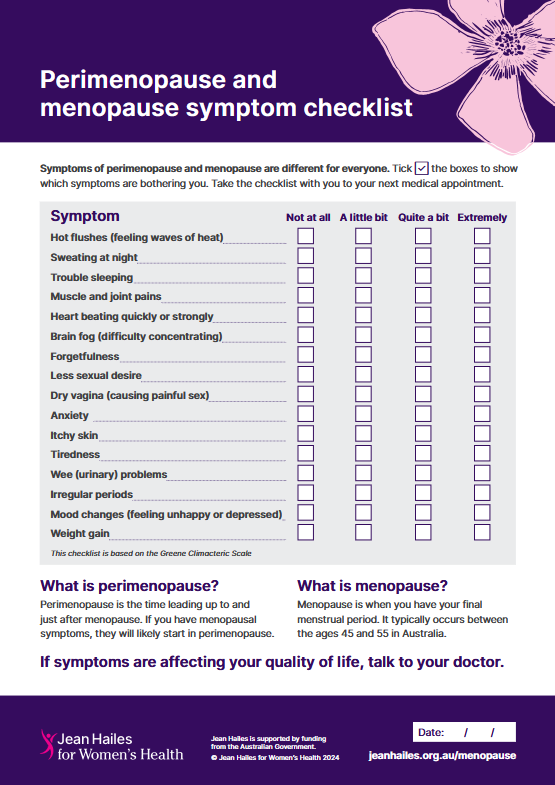
- Perimenopause and Menopause Symptom Checklist
- Plan Before You Travel
- Products
- Products To Treat Adult Incontinence
- Products for Women
- Stress Incontinence
- Stress Incontinence In Women
- Struggling With UTIs After Menopause? Experts Say This Can Make A Difference
- Surgery for Stress Urinary Incontinence In Women
- Talking To Your Doctor About Incontinence [+ Video: Breaking Her Silence: Some Things Are Too Important To Hold In]
- Talking To Your Doctor About Incontinence
- The “Big Four” Bladder Irritants
- The Most Common Types of Urinary Incontinence
- The Rainbow of Urine Colors: What’s Typical, What’s Not
- The Voices of Incontinence [+ Video – The Voices of Incontinence: Quality of Life]
- Therapies and Procedures
- Types of Incontinence: Urinary Incontinence
- Urinary Incontinence
- Urinary Incontinence
- Urinary Incontinence
- Urinary Incontinence
- Urinary Incontinence
- Urinary Incontinence
- Urinary Incontinence
- Urinary Incontinence
- Urinary Incontinence In Women
- Urinary Incontinence Overview [+ Video: Understanding Urinary Incontinence]
- Urinary Incontinence – Multiply Languages
- Urinary Incontinence: 10 Ways To Stop Leaks
- Urinary Incontinence: Incontinence Products
- Urinary Incontinence: Non-Surgical Treatment
- Urinary Tract Infections: Causes and Treatments
- Urinary Tract Infections (UTIs)
- Urinary and Pelvic Floor Conditions
- Voices for PFD [Pelvic Floor Disorders]
- Voices for PFD [Pelvic Floor Disorders]: Fact Sheets, Patient Summaries and Downloads
- Wfipp [World Federation of Incontinence and Pelvic Problems]
- What Are PFDs?
- What Can You Do for An Overactive Bladder?
- What Is Nocturia?
- Where Do I Start?
- Why Do You Need To Pee As Soon As You Get Home?
- Why You Pee When You Sneeze and How To Stop It
- Why Your Diet Matters When You Have Incontinence
- Women’s Bladder and Bowel Health Conditions
- World Continence Week 2026 [15-21 June 2026]

Sources
Where may I find the Sources quoted?
You may find the Sources quoted at:
Sources
- Urinary Incontinence: Symptoms & Causes – Overview. 09 February 2023. Mayo Clinic https://www.mayoclinic.org/diseases-conditions/urinary-incontinence/symptoms-causes/syc-20352808 Accessed: 03 June 2026
- Urinary Incontinence: Symptoms & Causes – Overview. 09 February 2023. Mayo Clinic https://www.mayoclinic.org/diseases-conditions/urinary-incontinence/symptoms-causes/syc-20352808 Accessed: 03 June 2026
- Urinary Incontinence: Overview – Is Incontinence More Common In Women? Last Reviewed: 05 March 2025. Cleveland Clinic https://my.clevelandclinic.org/health/diseases/16998-female-incontinence Accessed: 03 June 2026
- Urinary Incontinence: Symptoms – Common Types of Urinary Incontinence. Page Last Reviewed: 15 June 2023. NHS https://www.nhs.uk/conditions/urinary-incontinence/symptoms/#common-types-of-urinary-incontinence Accessed: 03 June 2026
- Urinary Incontinence In Women: What Is Incontinence? | Fact Sheet. 05 September 2025. Australasian Menopause Society https://www.menopause.org.au/health-info/fact-sheets/urinary-incontinence-in-women Accessed: 03 June 2026
- Urge Incontinence. Continence Health of Australia https://www.continence.org.au/about-incontinence/urinary-incontinence/urge-incontinence/ Accessed: 03 June 2026
- Urinary Incontinence: What Is Incontinence? What Are the Different Types of Incontinence. Last Updated: 05 March 2025. Cleveland Clinic https://my.clevelandclinic.org/health/diseases/17596-urinary-incontinence Accessed: 03 June 2026
- Urinary Incontinence: Symptoms & Causes – Symptoms. 09 February 2023. Mayo Clinic https://www.mayoclinic.org/diseases-conditions/urinary-incontinence/symptoms-causes/syc-20352808 Accessed: 03 June 2026
- Urinary Incontinence: Causes and Treatment – Urinary Incontinence Overview. National Association for Continence https://www.nafc.org/urinary-incontinence Accessed: 03 June 2026
- Urinary Incontinence: What Causes Urinary Incontinence? Jean Hailes for Women’s Health https://www.jeanhailes.org.au/health-topics/bladder-health/urinary-incontinence/#section-what-causes-urinary-incontinence Accessed: 03 June 2026
- Urinary Incontinence: Symptoms & Causes – Overview. 09 February 2023. Mayo Clinic https://www.mayoclinic.org/diseases-conditions/urinary-incontinence/symptoms-causes/syc-20352808 Accessed: 03 June 2026
- Menopause: Menopausal Symptoms – Bladder, Vaginal and Vulval Problems: Bladder (Urinary) Problems. Jean Hailes for Women’s Health https://www.jeanhailes.org.au/health-topics/menopause/#section-menopausal-symptoms Accessed: 03 June 2026
- Urinary Incontinence: Overview – Preventing Urinary Incontinence. Page Last Reviewed: 15 June 2023. NHS https://www.nhs.uk/conditions/urinary-incontinence/#preventing-urinary-incontinence Accessed: 03 June 2026
- Managing Incontinence In Perimenopause & Menopause: Treating Incontinence During Your Perimenopause and Menopause Years. National Association for Continence https://nafc.org/treating-incontinence-during-your-perimenopause-and-menopause-years/ Accessed: 03 June 2026
- About the Toilet Map. National Continence Program https://toiletmap.gov.au/about Accessed: 03 June 2026
- Bladder Conditions and Symptoms. Bladder & Bowel Community https://www.bladderandbowelfoundation.org/bladder/bladder-conditions-and-symptoms/ Accessed: 03 June 2026
Topic Last Updated: 15 June 2026 – Topic Last Reviewed: 03 June 2026