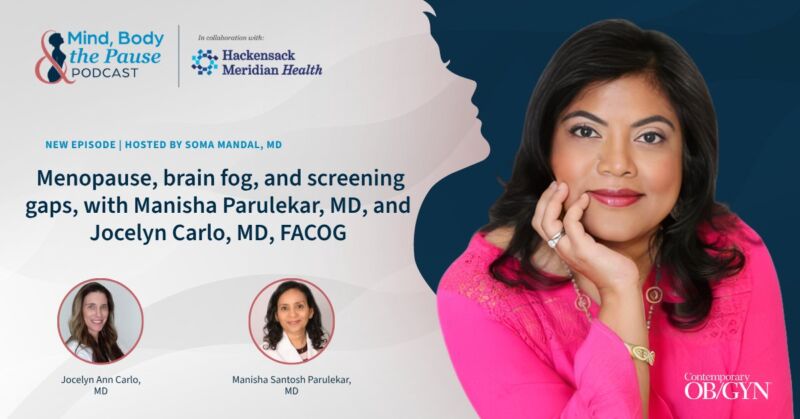

“Brain fog is not a medical term, but most people agree
that it’s perfect for describing some of
the symptoms women experience around menopause”.1
Umbrella
What may the Menopause Memory Umbrella include?
Depending on the Source (DotS) this Umbrella may include:
- Cognition
- Cognitive Changes/Difficulties/Lapses
- Cognitive Function
- Menopause Brain Fog
- Menopause Concentration Changes/Difficulties/Lapses
- Menopause Memory Changes/Difficulties/Lapses
Brain Fog
What is brain fog?
DotS the definition of brain fog may vary. In Feeling Foggy and Forgetful? What Is Midlife Brain Fog? dated 09 April 2026, the (Australian) Jean Hailes for Women’s Health (JH) explain:
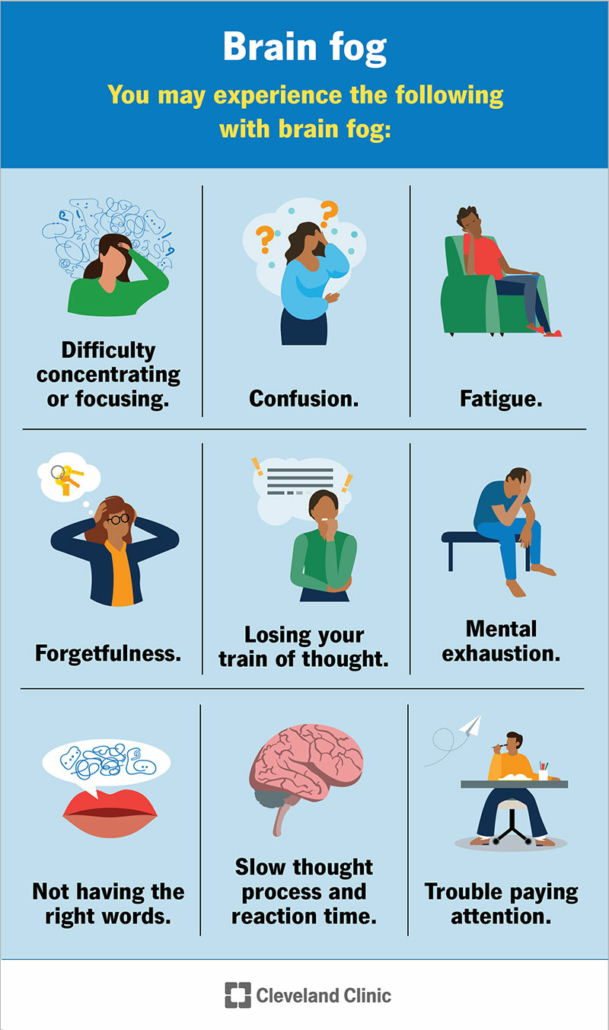
The symptoms, common at midlife, might include:
 Difficulty concentrating or focusing
- Confusion
- Poor memory
- Forgetfulness
- Not having the right words
- Losing your ‘train of thought’
- Slow thought processes.
Fortunately, experts believe these symptoms are temporary”.2
Cause
What may cause menopause memory difficulties?
In Brain Fog: A Real Condition Not Often Connected To Menopause: Looking Beyond Hormones, updated 31 October 2025, the author elaborate on:
“Hormonal changes affect your sleep. If you don’t sleep well, your brain won’t function well,” Mosquera said. “There are many things that can cause brain fog, as well as improve it.”
Night sweats, anxiety, and sleep disruption all contribute to cognitive difficulties. For women with a history of depression, symptoms may get worse during this transition, which impacts mental sharpness even more. Sometimes, women are diagnosed with ADHD for the first time during perimenopause, as existing symptoms become exacerbated”.3
What is ADHD?
DotS ADHD can be an abbreviation for Attention Deficit Hyperactivity Disorder.
Alzheimer’s Disease?
Is there a link between brain fog and Alzheimer’s Disease?
In Feeling Foggy and Forgetful? Younger Onset Dementia Explained, the JH elaborate on:
Dr Marita Long, Head of the Jean Hailes Women’s Brain Care Clinic, says there are noticeable differences between midlife brain fog and dementia.
“With brain fog, symptoms are usually temporary and get better over time, and they don’t stop you from living independently. With dementia, the symptoms are progressive and ultimately impact the person’s ability to maintain independence. Sometimes, you might notice changes in the person’s personality and the way they communicate and make decisions. Navigating social situations can also become more difficult””.4
Hormone Therapy for Prevention
Can hormone therapy (HT) prevent memory loss?
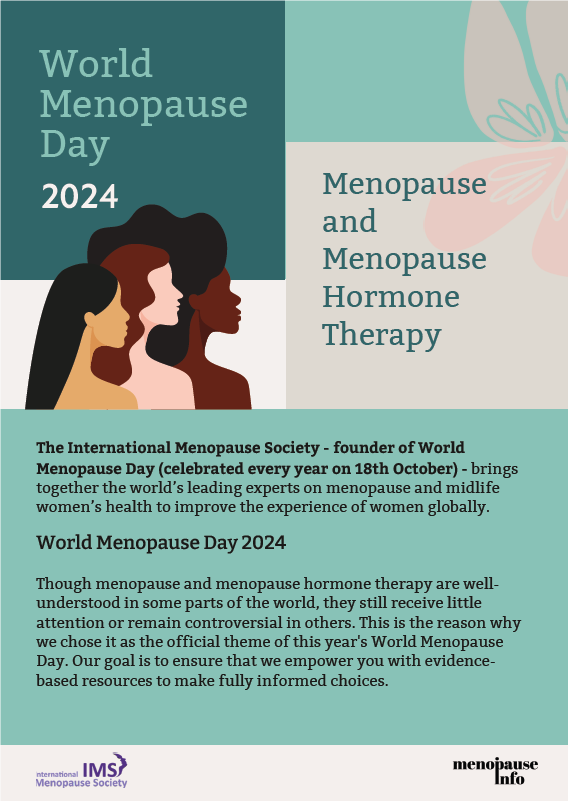 On page three of Menopause and Menopause Hormone Therapy: 1. Who Is MHT For? Who Might Not Need MHT? the International Menopause Society’s (IMS) Leaflet for Women for World Menopause Day 2024, the IMS explain:

Hormone Therapy for Treatment
Does HT benefit brain fog?
In What’s Behind That Menopause Brain Fog? How To Combat Menopause Brain Fog: Consider Hormone Therapy, updated 06 October 2025, the author explains:
Lifestyle Factors
What can we do for our brain health?
In Brain Fog: Focusing on Positive Lifestyle Factors, updated 31 October 2025, the author explains:
- Eat a Mediterranean-style diet: Avoid ultra-processed foods and added sugar
- Exercise regularly: Combine both cardio and strength training
- Prioritize sleep: Sleep is central to everything, Mosquera said
- Reduce stress: Practice meditation or take time for yourself
- Participate in cognitive exercises and brain games: Keep your mind engaged
- Maintain social relationships: These create feelings of belonging and being loved and valued, as well as help reduce the risk of chronic disease and serious illness”.7
In Memory Loss: 7 Tips To Improve Your Memory, dated 22 January 2026, the (United States) Mayo Clinic elaborate on each of these 7 tips:
 “Although there are no guarantees when it comes to preventing memory loss or dementia, some activities might help. Consider seven simple ways to sharpen your memory. And know when to get help for memory loss.
- Be physically active every day…
- Stay mentally active…
- Spend time with others…
- Stay organized…
- Sleep well…
- Eat brain-friendly foods…
- Manage chronic health problems…”.8
Health Care Provider
What if I am concerned about my memory?
If you are concerned about your memory, it may be in your best interest to choose to talk to your health care provider about this. The Mayo Clinic note:
Health Topics A-Z
Where may I find Health Topics A-Z related to Menopause Memory?
In Health Topics A-Z you may find:
Links
Where may I find Links related to Menopause Memory?
Your Country may have Links similar to:
Links
This Links List to third party websites is neither comprehensive nor exhaustive. Inclusion on this Links List does not imply endorsement or recommendation. Non-inclusion on this Links List does not imply non-endorsement or non-recommendation. Third party websites are not under the control of Meno Martha International Menopause Directory. Third party websites may contain explicit medical images and/or sexual references. Please read Meno Martha International Menopause Directory’s Links Policy before proceeding to a Link. Please contact Webmaster if you experience a problem with a Link.New or Updated
- A Breakthrough In Menopause Research: Scientists Uncover Biological Links Between Menopause and Brain Aging [01 October 2026]
- Brain Fog At Menopause: Separating Normal Change From Dementia [22 October 2026]
- Menopausal ‘Brain Fog’ or Dementia?—A Practical Guide for Clinicians [01 September 2026]
- Menopause and the Brain [26 May 2026]
- Menopause on the Brain: Your Questions About Mental Health and Cognition Answered [30 July 2026]
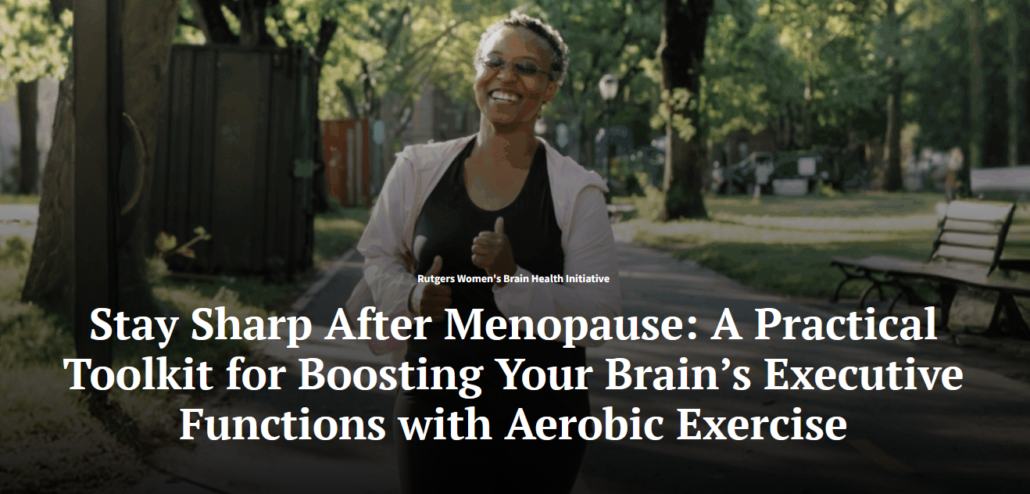
- Stay Sharp After Menopause: A Practical Toolkit for Boosting Your Brain’s Executive Functions With Aerobic Exercise [10 August 2026]
- 4 Ways To Improve Focus and Memory
- 5 Science-Backed Ways To Manage Menopause Brain Fog
- A Breakthrough In Menopause Research: Scientists Uncover Biological Links Between Menopause and Brain Aging
- Addressing Cognitive Symptoms and Transitioning From MHT To Non-Hormonal Therapy for VMS [Video] [Episode 11/14]
- Advances In Understanding of Cognitive Symptoms During Menopause
- Attention-Deficit/Hyperactivity Disorder: What You Need To Know
- Brain Fog
- Brain Fog
- Brain Fog At Menopause: Separating Normal Change From Dementia
- Brain Fog During Menopause Transition
- Brain Fog: A Real Condition Not Often Connected To Menopause
- Brain Health
- Brain Health and Fish
- Brainwork: The Power of Neuroplasticity
- Can Menopausal Status Moderate the Effects of Aerobic Exercise on Executive Functions? Evidence From A Randomized Controlled Trial
- Complementary & Alternative Therapies: Non-Hormonal Treatments for Menopause Symptoms
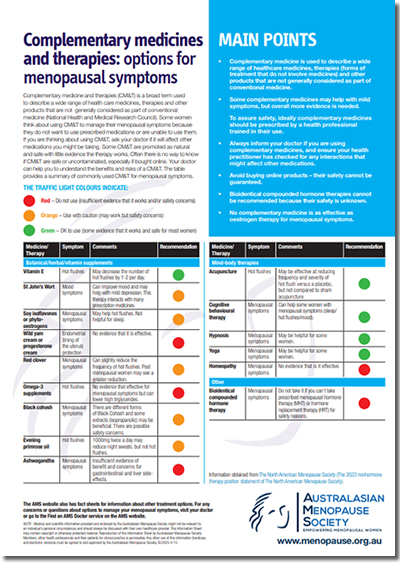
- Complementary Medicines and Therapies: Options for Menopausal Symptoms
- Consumer Video and Podcast Series: 2025 Consumer Videos and Podcasts – Three Symptoms Linked To Cognitive Complaints
- Could It Be Perimenopause? How Hormones Influence the Brain
- Do Different Types of Hormone Therapy Affect Memory After Menopause?
- EMAS On-Demand Webinars [European Menopause and Andropause Society] [Multiply Languages]: Episode 1 | The Workplace Reality of Menopause
- EMAS On-Demand Webinars [European Menopause and Andropause Society] [Multiply Languages]: Menopause and Mental Health: Managing Anxiety, Depression, and Cognitive Changes
- EMAS On-Demand Webinars [European Menopause and Andropause Society] [Multiply Languages]: Sleep Disturbances In Menopause
- Exploring Menopause’s Impact on Women’s Brain Health: Lisa Mosconi, PhD [Video]
- Everything You Need To Know About Menopausal Brain Fog but Are Afraid To Ask — and No, ‘You’re Not Losing Your Mind’
- Feeling Foggy and Forgetful? Midlife Brain Fog vs Younger Onset Dementia
- Find A Member [Australasian Menopause Society i.e. Australia and New Zealand]
- Find A Menopause Practitioner [United States and Other]
- Find Your Nearest BMS Menopause Specialist [British Menopause Society]
- Health.gov.au/perimenopause [Australia]
- ‘Healthy Menopause’: The European Menopause and Andropause Society (EMAS) 2026 Framework for Precision, Digital, and Interdisciplinary Midlife Health
- Hormone Replacement Therapy (HRT): A Summary
- Hormones and ADHD With Dr Louise Newson and Dr Judith Mohring
- Hormones and Brain Health | Dr Louise Newson
- How Hormones Change Your Brain – Dr Jay Jagannathan
- How Menopause Affects the Brain | Lisa Mosconi [2020]
- How To Talk To Your Doctor About Midlife Brain Fog
- International Menopause Society (IMS) Recommendations and Key Messages on Women’s Midlife Health and Menopause
- Later Years (Around 50 Years and Over): Menopause and Post Menopause Health – Signs and Symptoms of Menopause [+ Video: Talking Menopause With Your GP] [Other Languages and Formats]
- Lisa Mosconi: Research Is ‘Validating … Women’s Experiences’
- International Menopause Society (IMS) Recommendations and Key Messages on Women’s Midlife Health and Menopause
- Loss of Brain-Derived Estrogen Is Associated With Sex- and Age-Dependent Alterations In Memory, Affective Behavior, and Hippocampal Extracellular Matrix Gene Expression
- Maximize Memory Function With A Nutrient-Rich Diet
- Mayo Clinic Minute: Can the MIND Diet Improve Brain Health? [+ Video Courtesy: Mayo Clinic News Network]
- Mayo Clinic Minute: Does Menopause Cause Brain Fog? [+ Video Courtesy: Mayo Clinic News Network]
- Mayo Clinic Q and A: Foods To Help Maximize Your Memory
- Memory and Cognition As You Age
- Menopausal ‘Brain Fog’ or Dementia?—A Practical Guide for Clinicians
- Menopause
- Menopause
- Menopause

- Menopause Hormone Therapy and Risk of Mild Cognitive Impairment or Dementia: A Systematic Review and Meta-Analysis
- Menopause Linked To Loss of Grey Matter In the Brain, Poorer Mental Health and Sleep Disturbance
- Menopause Memory Loss – Should You Be Worried?
- Menopause & Brain Fog – Understanding Your Brain During Menopause & Beyond
- Menopause and Brain Fog: Why Lifestyle Medicine Could Make A Difference
- Menopause and Work: Across Europe and Beyond
- Menopause and the Brain
- Menopause and the Brain: What Every Woman Needs To Know
- Menopause on the Brain: Your Questions About Mental Health and Cognition Answered
- Menopause: Identification and Management [NICE Guideline]
- Menopause: Identification and Management [NICE Guideline]
- Mosconi: ‘Menopause Is A Neurologically Active State’
- National Center for Complementary and Integrative Health: Dietary Supplements and Cognitive Function, Dementia, and Alzheimer’s Disease
- Navigating Menopause Care Resource Guide
- Neurology Professor Lisa Mosconi: ‘Menopause Is A Renovation Project on the Brain’
- Not Just Mood Changes and Hot Flushes: ‘Brain fog’ In Menopause Needs the Spotlight
- Online Events [International Menopause Society]: IMS Partnership Symposia Series – What Is Sleep, What Is Menopause and How Do They Interact?
- Online Events [International Menopause Society]: Past Webinars – 2025: Lifestyle Medicine
- Online Events [International Menopause Society]: Past Webinars – 2026: New IMS Recommendations – Evidence-Based Management of Vasomotor Symptoms
- Online Events [International Menopause Society]: Past Webinars – 2026: New IMS Recommendations – Lifestyle, Diet, Exercise
- Online Events [International Menopause Society]: Past Webinars – 2026: New IMS Recommendations – Midlife Body Changes
- Perimenopause
- Perimenopause, Menopause and Dementia
- Perimenopause and Menopause Checklist: Translated Checklists
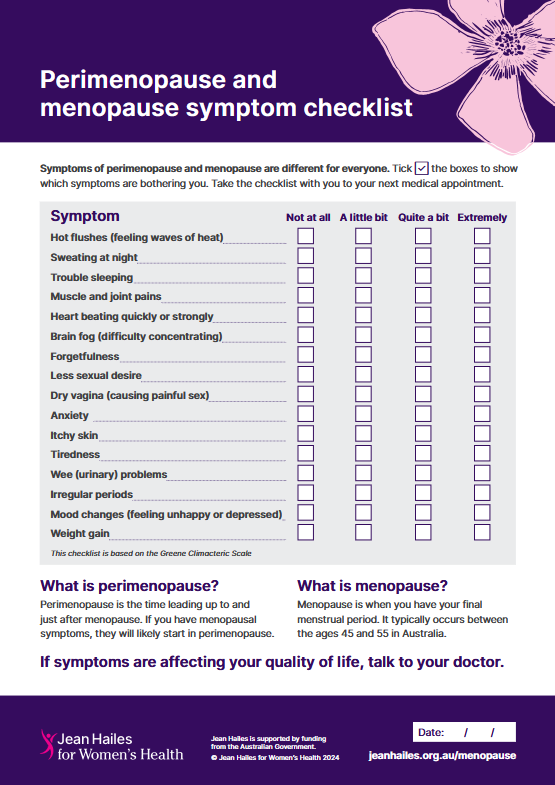
- Perimenopause and Menopause Symptom Checklist
- Physical Activity: Physical Activity Boosts Brain Health
- Research Suggests Previously Undiscovered Link Between Heart Fat and Cognitive Function In Aging Women
- Resources: Fact Sheets [Multiply Languages]

- Science In 5: Episode #122 – Dementia
- Stay Sharp After Menopause: A Practical Toolkit for Boosting Your Brain’s Executive Functions With Aerobic Exercise
- Supplements: What Works, What Doesn’t and the Truth About Menowashing
- The Best Brain Foods for Better Memory and Function
- The Female Brain Across the Lifespan | WHAM Roundtable
- The Menopause Brain
- The Menopause Brain: Why It Might Be Feeling Strange and What You Can Do About It
- The MIND Diet: What To Know
- The Surprising Symptoms of Changing Hormones: Live Q&A
- Unveiling the Role of Estrogen In Women’s Cognitive Health: Lisa Mosconi, PhD [Video]
- Videos & Podcasts: Videos – Menopause and Hormone Therapy: Current Perspectives and Controversies
- What Is the Difference Between Perimenopause, Menopause and Postmenopause?
- What Really Happens To the Brain During Menopause? Dr Pauline Maki Explains
- What’s Behind That Menopause Brain Fog?
- When Does Perimenopause Start and How Do You Define the Beginning?
- Why Forgetting Is A Normal Function of Memory – and When To Worry
- Women’s Health, Menopause & Dementia: Addressing Misconceptions Through Evidence-Based Insights
- World Menopause Day [18 October 2025]
- Younger Onset Dementia
- Your Daily Dose: Let’s Unpack Menopause
- Your Daily Dose: Perimenopause, Don’t Suffer In Silence
Sources
Where may I find the Sources quoted?
You may find the Sources quoted at:
Sources
- Feeling Foggy and Forgetful? Midlife Brain fog vs Younger Onset Dementia. 09 April 2026. Jean Hailes for Women’s Health https://www.jeanhailes.org.au/articles/feeling-foggy-and-forgetful-brain-fog-or-early-onset-dementia/ Accessed: 22 August 2026
- Feeling Foggy and Forgetful? Midlife Brain fog vs Younger Onset Dementia. 09 April 2026. Jean Hailes for Women’s Health https://www.jeanhailes.org.au/articles/feeling-foggy-and-forgetful-brain-fog-or-early-onset-dementia/ Accessed: 22 August 2026
- Powers, P. Brain Fog: A Real Condition Not Often Connected To Menopause: Looking Beyond Hormones. Updated: 31 October 2025 https://www.utphysicians.com/brain-fog-during-menopause/ Accessed: 22 August 2026
- Feeling Foggy and Forgetful? Younger Onset Dementia Explained. 09 April 2026. Jean Hailes for Women’s Health https://www.jeanhailes.org.au/articles/feeling-foggy-and-forgetful-brain-fog-or-early-onset-dementia/ Accessed: 22 August 2026
- Menopause and Menopause Hormone Therapy: 1. Who Is MHT For? Who May Not Need MHT? 2024:3. International Menopause Society https://www.imsociety.org/wp-content/uploads/2024/10/2024-WMD-Leaflet_English.pdf Accessed: 22 August 2026
- Sybertz, A. What’s Behind That Menopause Brain Fog? How To Combat Menopause Brain Fog: Consider Hormone Therapy. Updated: 06 October 2025. https://www.healthcentral.com/condition/menopause/what-causes-menopause-brain-fog Accessed: Accessed: 22 August 2026
- Powers, P. Brain Fog: A Real Condition Not Often Connected To Menopause – Focusing on Positive Lifestyle Factors. Updated: 31 October 2025 https://www.utphysicians.com/brain-fog-during-menopause/ Accessed: Accessed: 22 August 2026
- Memory Loss: 7 Tips To Improve Your Memory. 22 January 2026. Mayo Clinic https://www.mayoclinic.org/healthy-lifestyle/healthy-aging/in-depth/memory-loss/art-20046518 Accessed: Accessed: 22 August 2026
- Memory Loss: 7 Tips To Improve Your Memory: When To Get Help for Memory Loss. 22 January 2026. Mayo Clinic https://www.mayoclinic.org/healthy-lifestyle/healthy-aging/in-depth/memory-loss/art-20046518 Accessed: Accessed: 22 August 2026
Topic Last Updated: 23 October 2026 – Topic Last Reviewed: 22 August 2026