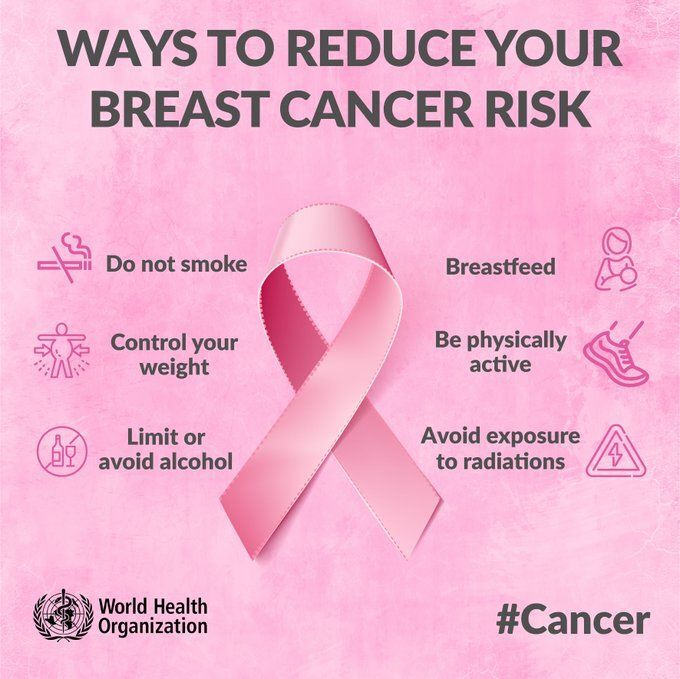

“Women in their 60s are more than TWICE AS LIKELY
to develop Alzheimer’s disease over the rest of their lives
as they are to develop breast cancer”.1
Umbrella
What may the Alzheimer’s Disease Umbrella include?
Depending on the Source (DotS) this Umbrella may include:
- Alzheimer’s
- Alzheimer’s Disease (AD)
- Dementia
Alzheimer’s Disease
What is Alzheimer’s disease?
DotS the definition of Alzheimer’s disease may vary. The (United States) National Institute on Aging’s (NIA) definition is:
Dementia
What is the association between dementia and Alzheimer’s disease?
In Alzheimer’s Disease Alzheimer’s Disease International explain:
In 10 Frequently Asked Questions About Alzheimer’s Disease – 1. What Is Alzheimer’s Disease? the NIA answer this and more questions:
Early Signs and Symptoms
What are early signs and symptoms of Alzheimer’s disease?
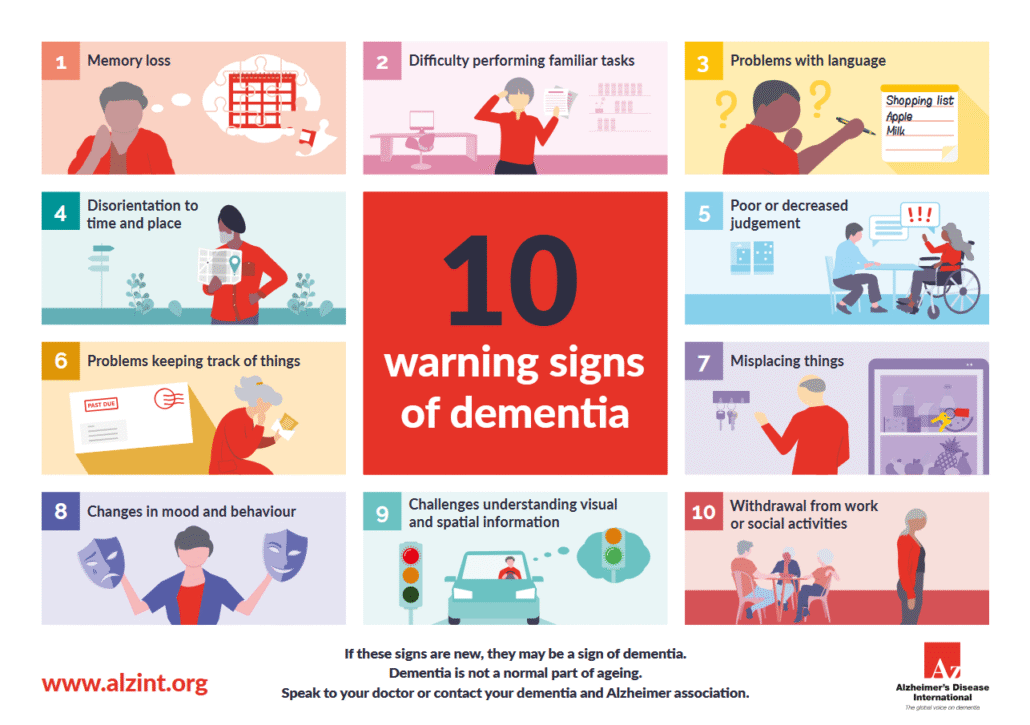
In 10 Early Signs and Symptoms of Alzheimer’s the (United States) Alzheimer’s Association elaborate on:
- “Memory loss that disrupts daily life…
- Challenges in planning or solving problems…
- Difficulty completing familiar tasks…
- Confusion with time or place…
- Trouble understanding visual images and spatial relationships…
- New problems with words in speaking or writing…
- Misplacing things and losing the ability to retrace steps…
- Decreased or poor judgement…
- Withdrawal from work or social activities…
- Changes in mood and personality…”.5
Common or Not
How common is Alzheimer’s disease?
In the United States according to the Mayo Clinic:
In the United Kingdom (UK) according to the NHS in Alzheimer’s Disease: Overview – Who Is Affected? page last reviewed 04 July 2024:
The risk of Alzheimer’s disease and other types of dementia increases with age, affecting an estimated 1 in 14 people over the age of 65 and 1 in every 6 people over the age of 80.
But around 1 in every 13 people with Alzheimer’s disease are under the age of 65. This is called early- or young-onset Alzheimer’s disease”.7
Women and Alzheimer’s Disease
In women, how common is Alzheimer’s disease?
In Women and Alzheimer’s: Quick Facts the (United States) Alzheimer’s Association note:
In Women and Alzheimer’s: Quick Facts the Alzheimer’s Association also note:
In About Alzheimer’s: Know the Numbers the (United States) Women’s Alzheimer’s Movement include:
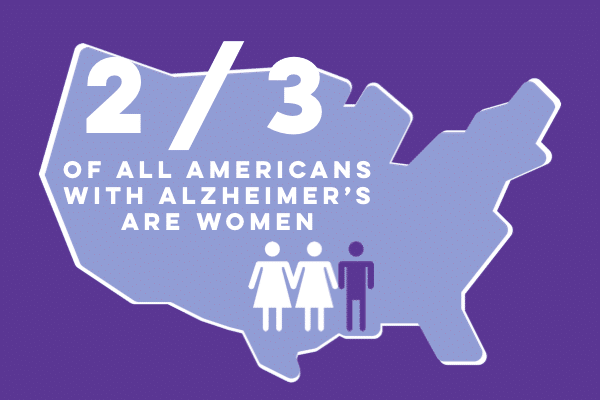
- “2/3 of those diagnosed are women—and no one knows why
- 2/3 of Alzheimer’s caregivers are also women, many of who will have to take time off or resign from their jobs
- A woman in her 60s is twice as likely to develop Alzheimer’s over the course of her lifetime than breast cancer
- After 60, a woman has a 1 in 5 chance of developing Alzheimer’s…”.10
Prevention
How can Alzheimer’s be prevented?
In Basics of Alzheimer’s Disease and Dementia: 10 Frequently Asked Questions About Alzheimer’s Disease – 8. Can Alzheimer’s Be Prevented? the NIA explain:
In Brain Health the Alzheimer’s Association elaborate on:
Health Care Provider
What if I would like reassurance I do not have Alzheimer’s disease?
If you would like reassurance you do not have Alzheimer’s disease, it may be in your best interest to choose to talk to your health care provider about this.
In Dementia: About Dementia – What Is Dementia? the (United Kingdom) NHS also note:
Dementia is not only about memory loss. It can also affect the way you speak, think, feel and behave.
It’s also important to remember that dementia is not a natural part of ageing”.13
Who is a GP?
DotS and/or DotC (Depending on the Country) a GP may be a qualified and registered general practitioner, a medical practitioner, a medical doctor or a doctor.
Health Topics A-Z
Where may I find Health Topics A-Z related to Alzheimer’s Disease?
In Health Topics A-Z you may find:
Links
Where may I find Links related to Alzheimer’s Disease?
Your Country may have Links similar to:
Links
This Links List to third party websites is neither comprehensive nor exhaustive. Inclusion on this Links List does not imply endorsement or recommendation. Non-inclusion on this Links List does not imply non-endorsement or non-recommendation. Third party websites are not under the control of Meno Martha International Menopause Directory. Third party websites may contain explicit medical images and/or sexual references. Please read Meno Martha International Menopause Directory’s Links Policy before proceeding to a Link. Please contact Webmaster if you experience a problem with a Link.New or Updated
- Alzheimer’s Agitation: Why It Happens and What Can Help [02 September 2026]
- HRT Linked To Lower Dementia Risk In Large UK Study [27 August 2026]
- What Drives Women’s Higher Alzheimer’s Risk? [21 May 2026]
- Why Women Are More Likely To Develop Alzheimer’s | Maria Shriver | TIME [12 September 2026]
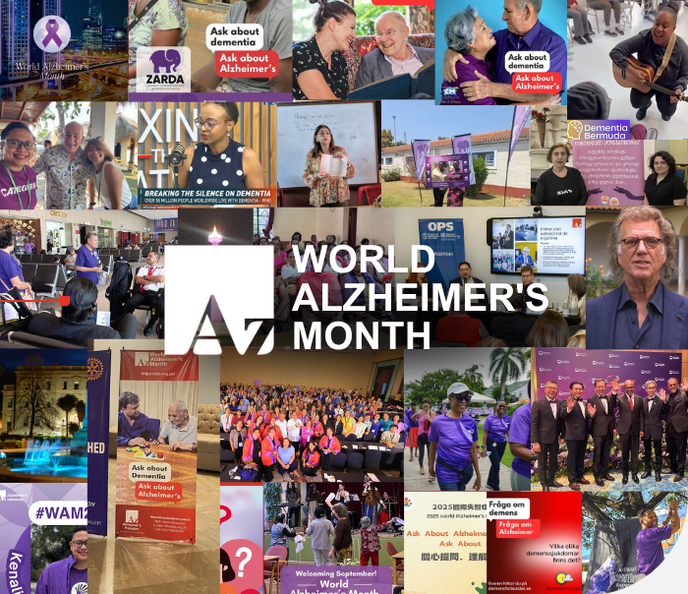
- World Alzheimer’s Month [September]
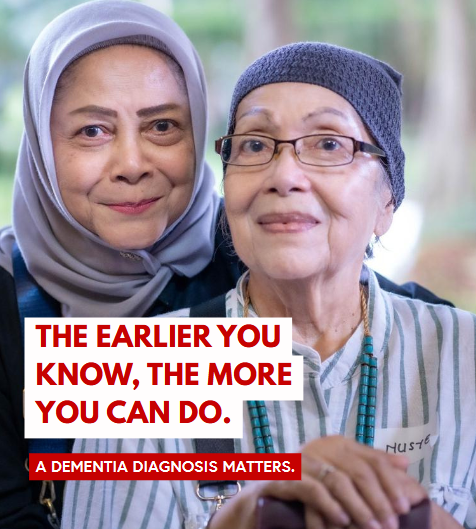
- World Alzheimer’s Month: World Alzheimer’s Day [21 September 2026]
- 10 Early Signs and Symptoms of Alzheimer’s and Dementia
- 10 Frequently Asked Questions About Alzheimer’s Disease
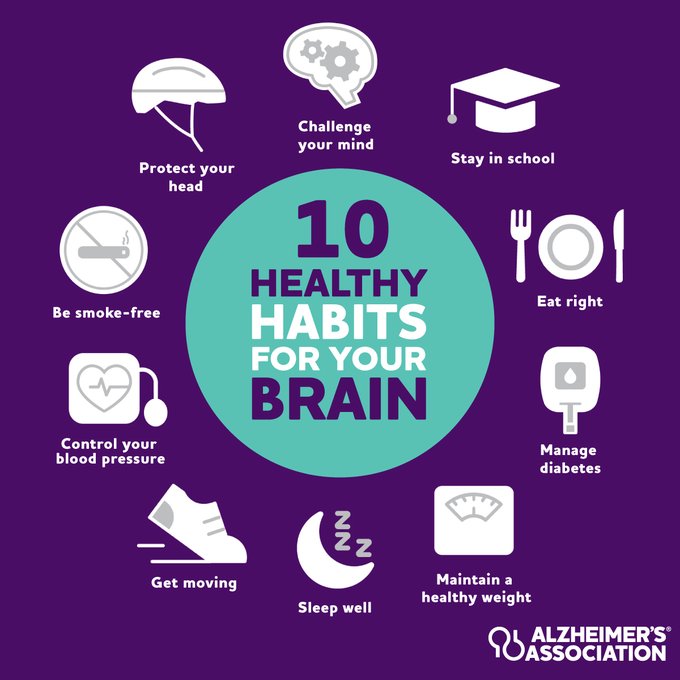
- 10 Healthy Habits for Your Brain
- Alz.co.uk [Alzheimer’s Disease International]
- Alz.co.uk [Alzheimer’s Disease International]: Alzheimer’s Associations
- Alzheimers.gov [United States]
- Alzheimers.org.uk [Alzheimer’s Society United Kingdom]
- Alzheimer’s Agitation: Why It Happens and What Can Help
- Alzheimer’s Causes and Risk Factors: Age-Related Forgetfulness or Signs of Dementia?

- Alzheimer’s Causes and Risk Factors: Alzheimer’s Disease Genetics Fact Sheet
- Alzheimer’s Causes and Risk Factors: If My Parents Have Alzheimer’s Disease, Will I Have It Too?

- Alzheimer’s Causes and Risk Factors: Thinking About Your Risk for Alzheimer’s Disease? Five Questions To Consider
- Alzheimer’s Causes and Risk Factors: What Causes Alzheimer’s Disease?
- Alzheimer’s Disease
- Alzheimer’s Disease
- Alzheimer’s Disease
- Alzheimer’s Disease
- Alzheimer’s Disease and Dementia
- Alzheimer’s Disease and Dementia: About Alzheimer’s
- Alzheimer’s Disease – Multiply Languages
- Alzheimer’s Caregiving: Getting Help With Alzheimer’s Caregiving
- Alzheimer’s Treatments: What’s on the Horizon?
- Alzheimer’s and Dementia: About the ADEAR Center [Alzheimer’s Disease Education and Referral Center, United States]
- Alzheimer’s and Dementia: Alzheimer’s Disease Fact Sheet [+ Video: How Alzheimer’s Changes the Brain [Video]
- Alzheimer’s and Dementia: What Is Alzheimer’s Disease?
- Alzheimer’s and Dementia: What Is Dementia? Symptoms, Types, and Diagnosis
- Alzheimer’s and Dementia: What’s the Difference?
- Brain Health
- Brain and Nerves [Topics]
- Breaking Barriers In Alzheimer’s Disease: Perspectives on Early Stage Alzheimer’s
- Can Music Help Someone With Alzheimer’s Disease?
- Caregiving: Frequently Asked Questions About Caregiving
- Caregiving: Getting Started With Caregiving
- Cleveland Clinic Releases New National Report on the State of Women’s Health In the U.S. [07 May 2026]
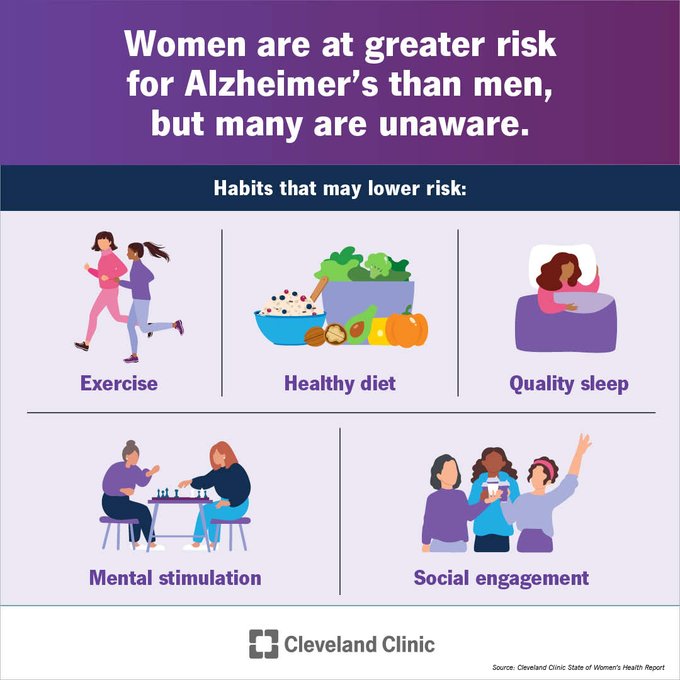
- Could Menopause Explain Why Alzheimer’s Disease Is More Common In Women?
- Data-Driven Discovery of Associations Between Prescribed Drugs and Dementia Risk: A Systematic Review
- Dementia
- Dementia
- Dementia
- Dementia
- Dementia vs. Alzheimer’s Disease: Are They The Same?
- Dementia – Multiply Languages
- Dementia.org.au [Dementia Australia]
- Diets Rich In Flavonoids Linked To Better Brain Health
- Eat Right
- Exploring Menopause’s Impact on Women’s Brain Health: Lisa Mosconi, PhD [Video]
- Forgetfulness Normal or Not?
- Frequently Asked Questions
- Frontotemporal Dementia (FTD): What Is It and What Are the Symptoms?
- Getting Help With Alzheimer’s Caregiving
- HRT Linked To Lower Dementia Risk In Large UK Study
- Here Are Eight Ways To Reduce Your Risk of Dementia
- High-Density Lipoprotein Over Midlife and Future Cognition In Women: The SWAN HDL Ancillary Study
- Home Remedies: Can Folic Acid Supplements Slow Cognitive Decline?
- Home Remedies: Can Ginkgo Biloba Prevent Memory Loss?
- How To Talk To Your Doctor About Midlife Brain Fog
- International Menopause Society (IMS) Recommendations and Key Messages on Women’s Midlife Health and Menopause
- It’s Not Alzheimer’s Disease: It’s Perimenopause
- June Is Alzheimer’s & Brain Awareness Month [United States]
- Living With Alzheimer’s Disease [+ Video]
- Mayo Clinic Minute: Reducing Risk of Alzheimer’s Disease In Families [+ Video Courtesy: Mayo Clinic News Network]
- Mayo Clinic Q and A: My Mom Has Alzheimer’s. What Does That Mean for Me?
- Memory Loss Is Not a Normal Part of Aging
- Menopause Type and HRT Timing Influence Dementia Risk, Large Study Suggests
- Menopause, Hormones and the Brain: How Hormone Therapy Could Help Protect Against Alzheimer’s
- Most Women Unaware Dementia Is the Leading Cause of Death
- Myths
- National Center for Complementary and Integrative Health: Dietary Supplements and Cognitive Function, Dementia, and Alzheimer’s Disease: What the Science Says
- National Institute of Neurological Disorders and Stroke: Alzheimer’s Disease
- National Institute of Neurological Disorders and Stroke: Dementias
- Online Events [International Menopause Society]: Past Webinars – 2026: New IMS Recommendations: Lifestyle, Diet, Exercise
- Other Languages
- Perimenopause, Menopause and Dementia
- Preventing Alzheimer’s Disease: What Do We Know?
- Prevention
- Science In 5: Episode #122 – Dementia
- Sex, Anxiolytics, and Psychosocial Stress: Vulnerabilities To Aging and Alzheimer’s Disease
- Six Tips To Help Manage Behavior Changes In Alzheimer’s Disease
- Symptoms and Diagnosis of Alzheimer’s Disease: Do Memory Problems Always Mean Alzheimer’s?
- The Best Brain Foods for Better Memory and Brain Health
- The Truth About Menopause Hormone Therapy and Alzheimer’s
- The Women’s Brain Initiative
- Thewomensalzheimersmovement.org [Women’s Alzheimer’s Movement, United States]
- Thinking About Your Risk for Alzheimer’s Disease? Five Questions To Consider
- thisisalz.com

- Types of Dementia
- What Do We Mean By “Brain Health” and Why Should You Care About It?
- What Drives Women’s Higher Alzheimer’s Risk?
- What Every Woman MUST KNOW To PREVENT Alzheimer’s | Neuroscientist Lisa Mosconi X Rich Roll Podcast
- What Is Alzheimer’s Disease?
- What Is Alzheimer’s Disease?
- What’s the Difference Between Alzheimer’s and Dementia?
- Why Are Women Twice As Likely To Develop Alzheimer’s As Men?
- Women Are More Likely To Develop Alzheimer’s – But Our Research Suggests A Specific Brain Enzyme Could Help Protect Them
- Women and Alzheimer’s
- Women’s Alzheimer’s Movement Prevention and Research Center [Cleveland Clinic, United States]
- Women’s Brain Initiative
- Women’s Midlife: The Front Line of Alzheimer Prevention
- World Alzheimer’s Month [September]
- World Alzheimer’s Month: World Alzheimer’s Day [21 September 2026]
Sources
Where may I find the Sources quoted?
You may find the Sources quoted at:
Sources
- Women and Alzheimer’s: Quick Facts. Alzheimer’s Association https://www.alz.org/alzheimers-dementia/what-is-alzheimers/women-and-alzheimer-s Accessed: 15 June 2026
- Basics of Alzheimer’s Disease and Dementia: What Is Alzheimer’s Disease? Content Reviewed: 04 March 2025. National Institute on Aging https://www.nia.nih.gov/health/what-alzheimers-disease Accessed: 15 June 2026
- Alzheimer’s Disease. Alzheimer’s Disease International https://www.alz.co.uk/info/alzheimers-disease Accessed: 15 June 2026
- 10 Frequently Asked Questions About Alzheimer’s Disease – 1. What Is Alzheimer’s Disease? Content Reviewed: 25 November 2024. National Institute on Aging https://www.nia.nih.gov/health/alzheimers-and-dementia/frequently-asked-questions-about-alzheimers-disease#difference Accessed: 15 June 2026
- 10 Early Signs and Symptoms of Alzheimer’s. Alzheimer’s Association https://www.alz.org/alzheimers-dementia/10_signs Accessed: 15 June 2026
- Alzheimer’s Disease: Symptoms & Causes – Overview. 03 March 2026. Mayo Clinic https://www.mayoclinic.org/diseases-conditions/alzheimers-disease/symptoms-causes/syc-20350447 Accessed: 15 June 2026
- Alzheimer’s Disease: Overview – Who Is Affected? Page Last Reviewed: 04 July 2024. NHS https://www.nhs.uk/conditions/alzheimers-disease/ Accessed: 15 June 2026
- Women and Alzheimer’s: Quick Facts. Alzheimer’s Association https://www.alz.org/alzheimers-dementia/what-is-alzheimers/women-and-alzheimer-s Accessed: 15 June 2026
- Women and Alzheimer’s: Quick Facts. Alzheimer’s Association https://www.alz.org/alzheimers-dementia/what-is-alzheimers/women-and-alzheimer-s Accessed: 15 June 2026
- About Alzheimer’s: Know the Numbers. Women’s Alzheimer’s Movement https://thewomensalzheimersmovement.org/about-alzheimers/ Accessed: 15 June 2026
- 10 Frequently Asked Questions About Alzheimer’s Disease – 8. Can Alzheimer’s Be Prevented? Content Reviewed: 25 November 2024. National Institute on Aging https://www.nia.nih.gov/health/frequently-asked-questions-about-alzheimers-disease#prevent Accessed: 15 June 2026
- Brain Health. Alzheimer’s Association https://www.alz.org/we_can_help_brain_health_maintain_your_brain.asp Accessed: 15 June 2026
- Dementia: About Dementia – What Is Dementia? Page Last Reviewed: 20 July 2023. NHS https://www.nhs.uk/conditions/dementia/about-dementia/what-is-dementia/ Accessed: 15 June 2026
Topic Last Updated: 28 September 2026 – Topic Last Reviewed: 15 June 2026