
“Dementia is the loss of cognitive functioning
— thinking, remembering, and reasoning —
to such an extent that it interferes with a person’s…”.1
Umbrella
What may the Dementia Umbrella include?
Depending on the Source (DotS) this Umbrella may include:
- Alzheimer’s Disease (AD)
- Dementia
- Lewy Body Dementia
- Mixed Dementia
- Vascular Dementia
Definition
What is dementia?
DotS the definition of dementia may vary. In About Alzheimer’s & Dementia: What Is Dementia? Alzheimer’s Disease International (ADI) definition is:
The (United States) National Institute on Aging’s (NIA) definition is:
Cause
What causes dementia?
In Dementia: Overview the World Health Organization (WHO) explain:
Aging
Is dementia a normal part of aging?
According to the WHO:
Symptoms
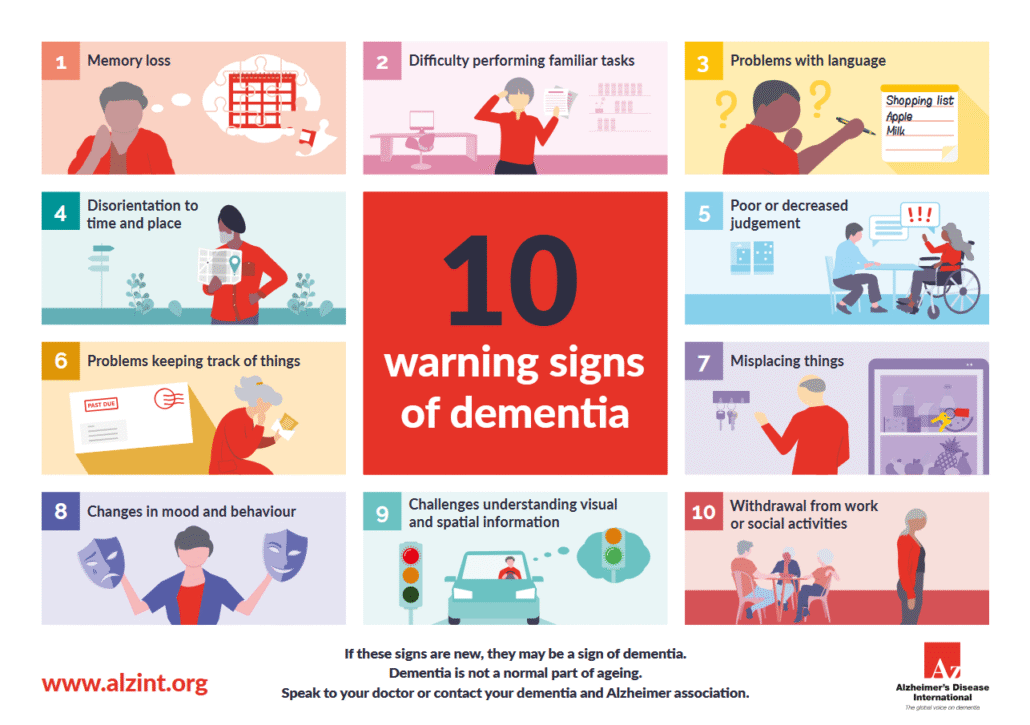
What may be symptoms of dementia?
In About Alzheimer’s & Dementia: What Is Dementia? the ADI elaborate on:
- Loss of memory
- Difficulty in finding the right words or understanding what people are saying
- Difficulty in performing previously routine tasks
- Personality and mood changes”.6
Alzheimer’s Disease
What is the association between Alzheimer’s Disease and dementia?
In Dementia: Key Facts, dated 31 March 2025, the WHO note:
Women
In women, how common is dementia?
In Dementia: Key Facts the WHO note:
- “Women are disproportionately affected by dementia, both directly and indirectly. Women experience higher disability-adjusted life years and mortality due to dementia, but also provide 70% of care hours for people living with dementia”.8
Hormone Therapy
Is hormone therapy recommended to prevent dementia?
On page three of Menopause and Menopause Hormone Therapy: 1. Who Is MHT For? Who Might Not Need MHT?, the International Menopause Society’s (IMS) Leaflet for Women for World Menopause Day 2024 the IMS note:

Prevention
How may dementia be prevented?
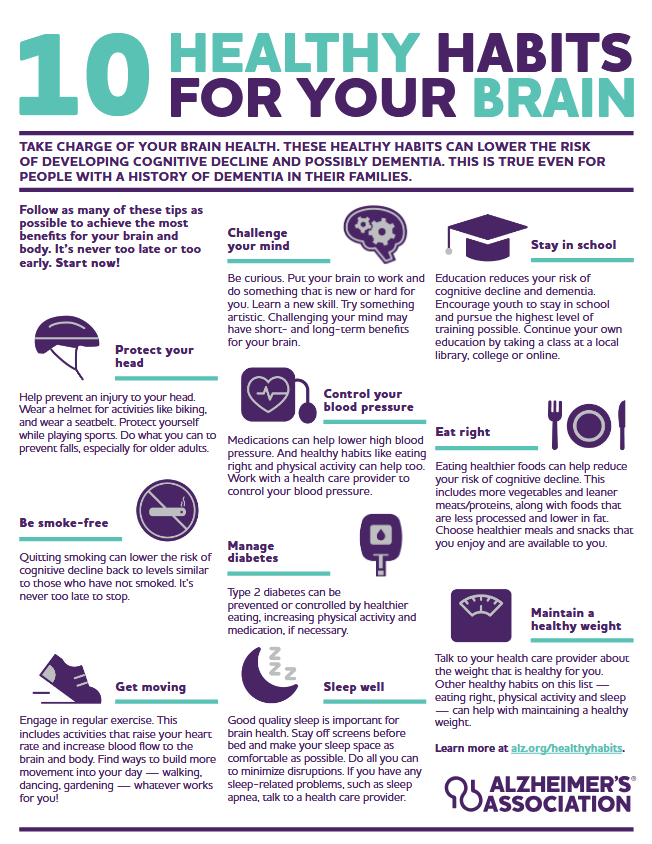
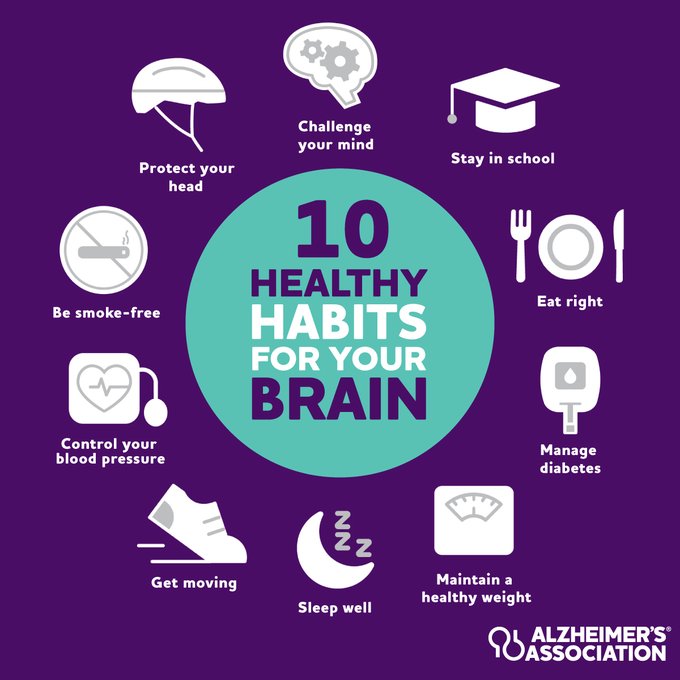
In 10 Healthy Habits for Your Brain the (United States) Alzheimer’s Association explain:
Health Care Provider
What if I would like reassurance I do not have dementia?
If you would like reassurance you do not have dementia, it may be in your best interest to choose to talk to your health care provider about this.
In Dementia: About Dementia – What Is Dementia the (United Kingdom) NHS also note:
Who is a GP?
DotS and/or DotC (Depending on the Country) a GP may be a qualified and registered general practitioner, a medical practitioner, a medical doctor or a doctor.
Health Topics A-Z
Where may I find Health Topics A-Z related to Dementia?
In Health Topics A-Z you may find:
Links
Where may I find Links related to Dementia?
Your Country may have Links similar to:
Links
This Links List to third party websites is neither comprehensive nor exhaustive. Inclusion on this Links List does not imply endorsement or recommendation. Non-inclusion on this Links List does not imply non-endorsement or non-recommendation. Third party websites are not under the control of Meno Martha International Menopause Directory. Third party websites may contain explicit medical images and/or sexual references. Please read Meno Martha International Menopause Directory’s Links Policy before proceeding to a Link. Please contact Webmaster if you experience a problem with a Link.New or Updated
- Doctor Explains Every Type of Dementia (Mild To Severe) [22 September 2026]
- Most Women Unaware Dementia Is the Leading Cause of Death [29 May 2026]
- New WHO Guidelines: Up To 45% of Dementia Risk Could Be Prevented or Delayed [15 July 2026]
- Risk Reduction of Cognitive Decline and Dementia: WHO Guidelines, Second Edition [15 July 2026]
- Your Daily Dose: A Dementia Diagnosis Shouldn’t Halt Your Life [28 July 2026]
- Your Daily Dose: Dementia Risk Builds Over A Lifetime – It’s Never Too Late To Act. [05 August 2026]
- Your Daily Dose: Learn About the Early Signs of A Dementia [17 July 2026]
- 10 Healthy Habits for Your Brain
- About Alzheimer’s & Dementia
- About Dementia
- About Dementia
- About Dementia
- About Dementia: Types of Dementia
- About Dementia: What Is Dementia?
- Addressing 14 Health and Lifestyle Factors Could Prevent Nearly Half of Global Dementia Cases [+ Video]
- After A Diagnosis of Dementia: Next Steps Checklist
- Alz.co.uk [Alzheimer’s Disease International]
- Alzheimer’s Disease
- Alzheimer’s Disease and Dementia
- Alzheimer’s Disease and Dementia: Reducing Risk for Dementia
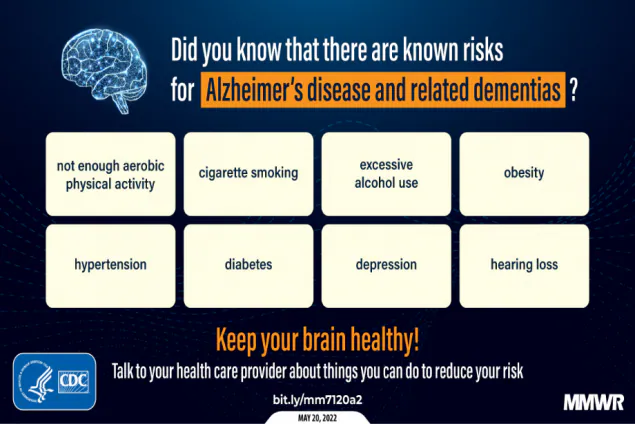
- Alzheimer’s Disease and Related Dementias
- Alzheimer’s Disease and Related Dementias: About the ADEAR Center [Alzheimer’s Disease Education and Referral Center]
- Alzheimer’s Disease – Multiply Languages
- Alzheimer’s and Dementia: Alzheimer’s Disease Fact Sheet [+ Video: How Alzheimer’s Changes the Brain [Video]
- Brain Health
- Brain Health Habit Builder
- Caregiving
- Communicating With Someone With Dementia
- Consumer Video and Podcast Series: 2025 Consumer Videos and Podcasts – Three Symptoms Linked To Cognitive Complaints
- Could It Be Perimenopause? How Hormones Influence the Brain
- Dementia
- Dementia
- Dementia
- Dementia A To Z
- Dementia Guide
- Dementia Prevention, Intervention, and Care: 2024 Report of the Lancet Standing Commission
- Dementia-Related Pain: What Caregivers Need To Know
- Dementia Research and Clinical Trials: Alzheimer’s Disease Research Centers
- Dementia Symptoms Checklist
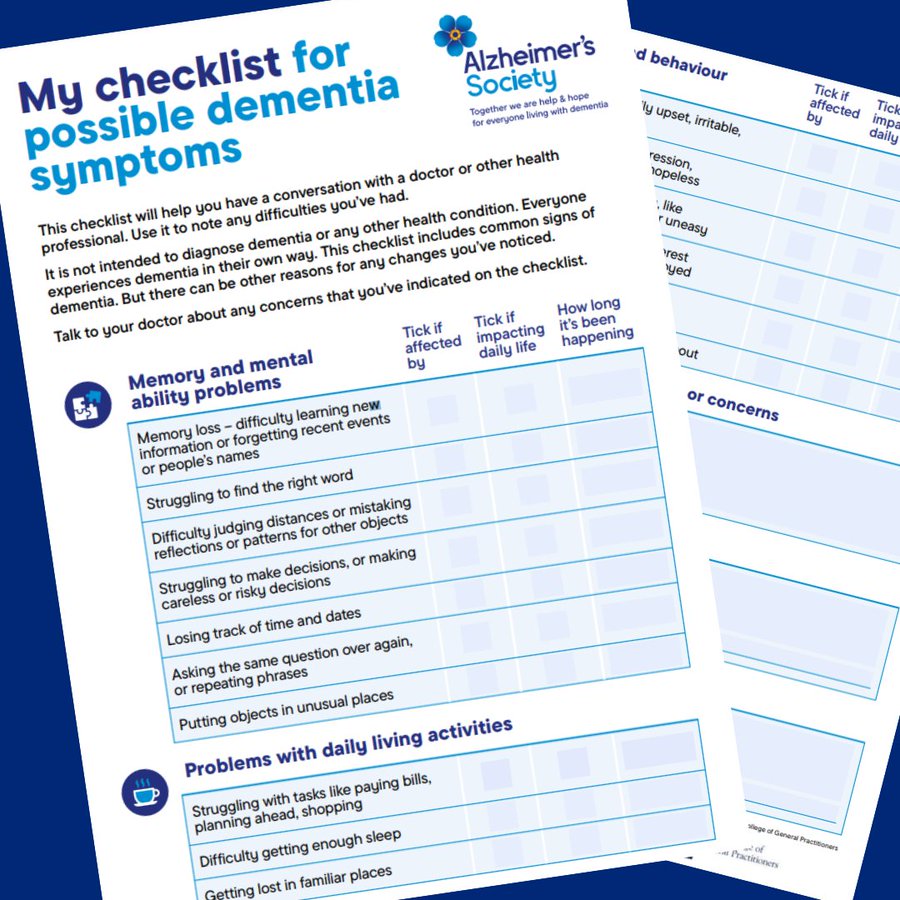
- Dementia vs. Alzheimer’s Disease: Are They The Same?
- Dementia With Lewy-Bodies
- Dementia With Lewy Bodies (DLB): What Is It and What Causes It?
- Dementia vs. Alzheimer’s Disease: Are They The Same?
- Dementia – Multiply Languages
- Dementia-Related Pain: What Caregivers Need To Know
- Dementia.org.au [Dementia Australia]
- Dementia: Diagnosis & Treatment
- Dementiauk.org [Dementia UK, United Kingdom]
- Depression and Dementia
- Diets Rich In Flavonoids Linked To Better Brain Health
- Do You Have Early Signs of Dementia?
- Doctor Explains Every Type of Dementia (Mild To Severe)
- Does Obesity Really Increase Your Risk of Dementia?
- Early Stages of Dementia: Symptoms, Diagnosis and Treatment
- Five Things You Should Know About Dementia
- Forgetfulness Normal or Not
- Frequently Asked Questions Around Dementia
- Fronto-Temporal Dementia
- Frontotemporal Dementia: What Is It?
- Here Are Eight Ways To Reduce Your Risk of Dementia
- Hormones and Dementia Risk
- How Do We Maintain A Healthy Brain?
- International Menopause Society Statement – Use of Postmenopausal Hormone Therapy and Risk of Alzheimer’s Disease In Finland: Nationwide Case-Control Study
- Living With Dementia
- Looking After Someone With Dementia
- Mayo Clinic Minute: What Is Vascular Dementia? [+ Video Courtesy: Mayo Clinic News Network]
- Memory and Cognition As You Age
- Memory Loss In Women – Is It Age or Menopause?
- Memory Loss Is Not a Normal Part of Aging
- Memory, Forgetfulness and Aging: What’s Normal and What’s Not
- Menopausal Hormone Therapy and Dementia: Nationwide, Nested Case-Control Study
- Mild Cognitive Impairment (MCI)
- Mild Cognitive Impairment vs. Dementia: What’s the Difference?
- Mixed Dementia
- Most Women Unaware Dementia Is the Leading Cause of Death
- My Doctor Thinks I Have Mild Cognitive Impairment – What Does It Mean?
- NINDS Dementia Information Page [National Institute of Neurological Disorders and Stroke, United States]
- National Center for Complementary and Integrative Health: Dietary Supplements and Cognitive Function, Dementia, and Alzheimer’s Disease: What the Science Says
- National Center for Complementary and Integrative Health: Ginkgo
- New WHO Guidelines: Up To 45% of Dementia Risk Could Be Prevented or Delayed [15 July 2026]
- Other Languages
- Perimenopause, Menopause and Dementia
- Physical Activity Over the Adult Life Course and Risk of Dementia In the Framingham Heart Study
- Risk Reduction of Cognitive Decline and Dementia: WHO Guidelines, Second Edition
- Science In 5: Episode #122 – Dementia
- Signs and Symptoms of Lewy Body Dementia
- Sleep Apnea Contributes To Dementia In Older Adults, Especially Women
- The Best Foods To Eat for Better Memory and Brain Health
- The Middle-Aged Brain Changes A Lot – and It’s Key To Understanding Dementia
- Types of Dementia
- Understanding Different Types Dementia
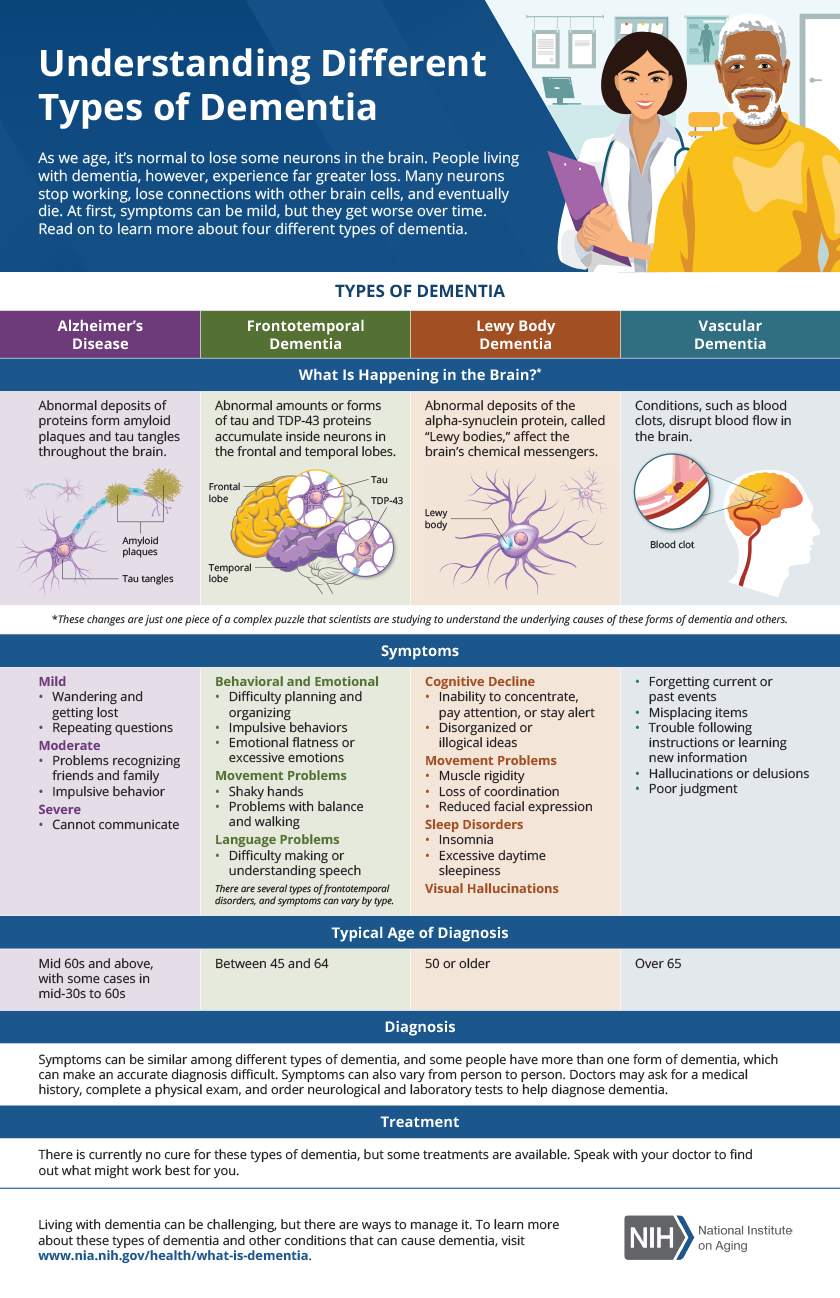
- Untangling the Threads of Early-Onset Dementia
- Vascular Dementia
- Vascular Dementia: What Is It and What Causes It?
- What Do We Mean By “Brain Health” and Why Should You Care About It?
- What Is Dementia?
- What Is Dementia? Symptoms, Causes and Treatment
- What Is Frontotemporal Dementia?
- What Is the Difference Between Dementia and Alzheimer’s Disease?
- When To Seek Help for Memory Loss
- Why Is Dementia Different for Women?
- World Alzheimer’s Month [September]
- World Menopause Day 2024: Leaflet for Women – Menopause and Menopause Hormone Therapy [Multiply Languages]
- Young Onset Dementia: Perimenopause and Menopause
- Your Daily Dose: A Dementia Diagnosis Shouldn’t Halt Your Life
- Your Daily Dose: Dementia Risk Builds Over A Lifetime – It’s Never Too Late To Act.
- Your Daily Dose: Learn About the Early Signs of A Dementia
Sources
Where may I find the Sources quoted?
You may find the Sources quoted at:
Sources
- Basics of Alzheimer’s Disease and Dementia: What Is Dementia? Symptoms, Types, and Diagnosis. Content Reviewed: 08 December 2022. National Institute on Aging https://www.nia.nih.gov/health/what-dementia Accessed: 15 March 2026
- About Alzheimer’s & Dementia: What Is Dementia? Alzheimer’s Disease International https://www.alzint.org/about/ Accessed: 15 March 2026
- Basics of Alzheimer’s Disease and Dementia: What Is Dementia? Symptoms, Types, and Diagnosis. Content Reviewed: 08 December 2022. National Institute on Aging https://www.nia.nih.gov/health/what-dementia Accessed: 15 March 2026
- Dementia: Overview. 31 March 2025. World Health Organization https://www.who.int/en/news-room/fact-sheets/detail/dementia Accessed: 15 March 2026
- Dementia: Risk Factors and Prevention. 31 March 2025. World Health Organization https://www.who.int/en/news-room/fact-sheets/detail/dementia Accessed: 15 March 2026
- About Alzheimer’s & Dementia: What Is Dementia? Alzheimer’s Disease International https://www.alz.co.uk/about-dementia Accessed: 15 March 2026
- Dementia: Key Facts. 31 March 2025. World Health Organization https://www.who.int/en/news-room/fact-sheets/detail/dementia Accessed: 15 March 2026
- Dementia: Key Facts. 31 March 2025. World Health Organization https://www.who.int/en/news-room/fact-sheets/detail/dementia Accessed: 15 March 2026
- Menopause and Menopause Hormone Therapy: 1. Who Is MHT For? Who Might Not Need MHT? 2024:3. International Menopause Society https://www.imsociety.org/wp-content/uploads/2024/10/2024-WMD-Leaflet_English.pdf Accessed: 15 March 2026
- 10 Healthy Habits for Your Brain. Alzheimer’s Association https://www.alz.org/help-support/brain_health/10-healthy-habits-for-your-brain Accessed: 15 March 2026
- Dementia: About Dementia – What Is Dementia. Page Last Reviewed: 20 July 2023. NHS https://www.nhs.uk/conditions/dementia/about/? Accessed: 15 March 2026
Topic Last Updated: 08 October 2026 – Topic Last Reviewed: 15 March 2026