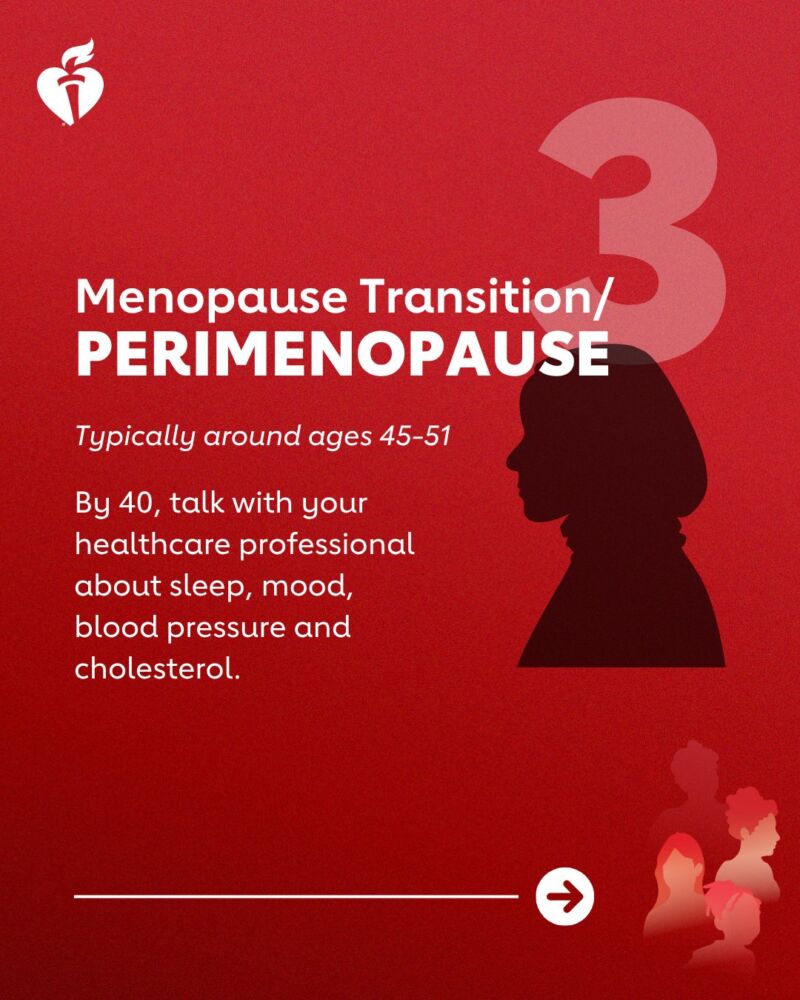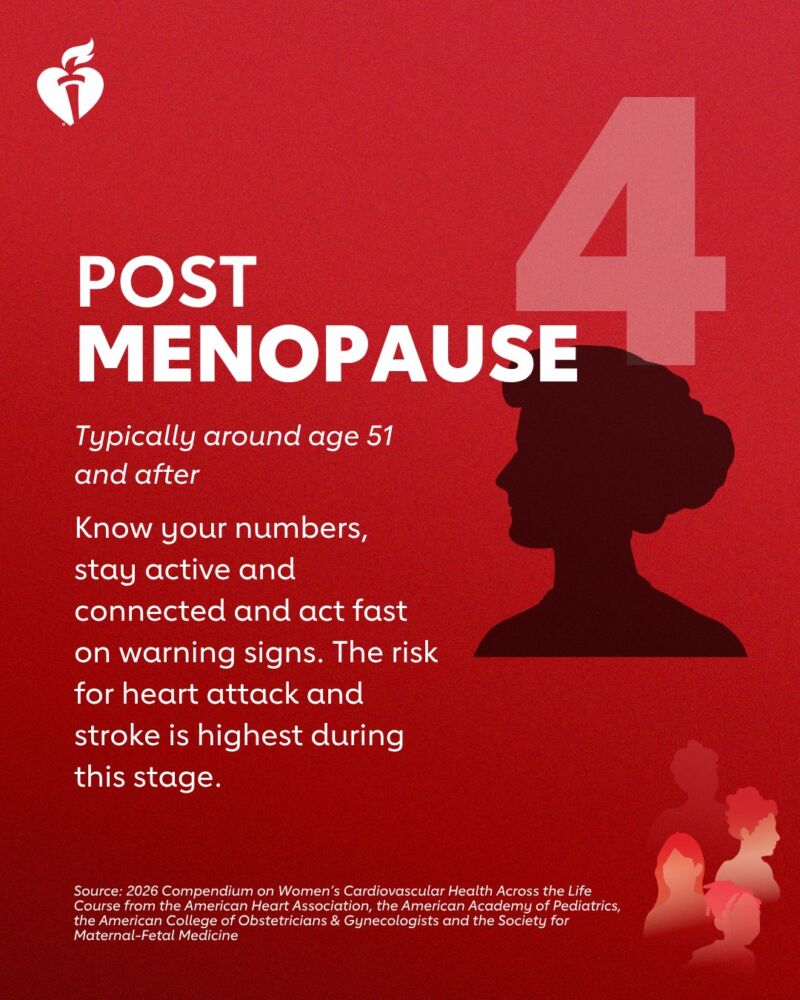

“Stroke is a leading cause of death for women.
In the United States, 1 in 5 women
between the ages of 55 and 75 will have a stroke”.1
Umbrella
What may the Stroke Umbrella include?
Depending on the Source (DotS) this Umbrella may include:
- Brain Attack
- Brain Stroke
- Cardiovascular Disease
- Cerebral Hemorrhage
- Cerebral Infarction
- Cerebrovascular Accident (CVA)
- Hemorrhagic Stroke
- Ischemic Stroke
- Stroke
Definition
What is a stroke?
DotS the definition of a stroke may vary. The American Stroke Association’s (ASA) definition is:
Cause
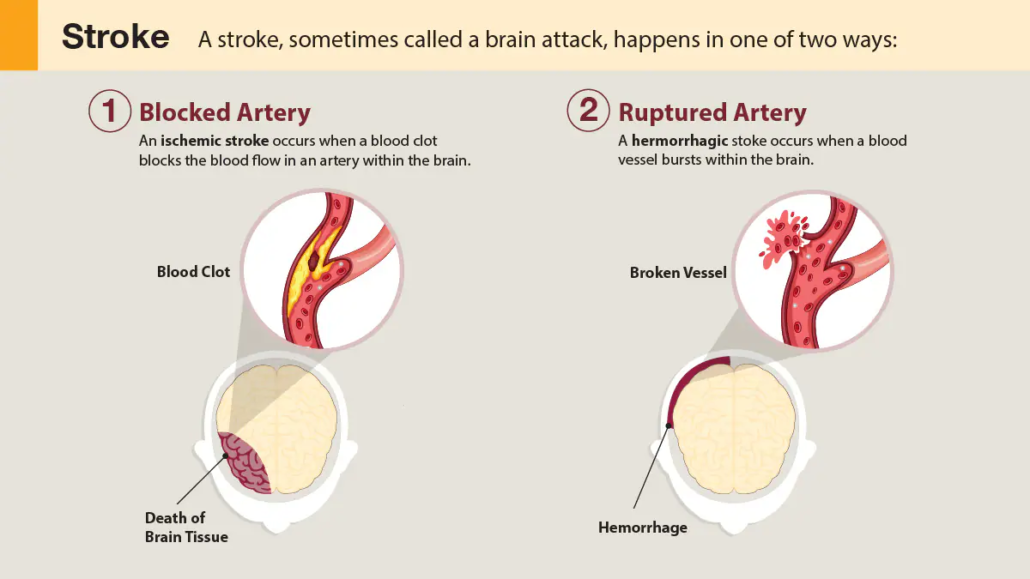
What causes a stroke?
In Stroke: About Stroke – What It Is the (United States) Centers for Disease Control and Prevention (CDC) elaborate on:
In either case, parts of the brain become damaged or die. A stroke can cause lasting brain damage, long-term disability, or even death”.3
Risk Factors
What are risk factors for stroke?
In Stroke: Causes of Stroke – Am I At Risk of Having A Stroke? the British Heart Foundation (BHF) elaborate on:
- …If you’re aged over 55…”.4
Atrial Fibrillation
Is atrial fibrillation (AF) a risk factor for stroke?
In Stroke: Causes of Stroke – Am I At Risk of Having A Stroke? the BHF also note:
- “If you have a type of irregular heartbeat called atrial fibrillation (AF) – if you have AF, the top chambers of your heart (your atria) do not pump blood through your heart as well as they should. If the chambers are not emptied properly, this can lead to a blood clot forming within the chamber. If this happens, there’s a risk that it can travel to your brain and block the blood flow”.5
African American Women
Are African American women at higher risk for stroke?
In Stroke: About Women and Stroke – At-Risk Populations: Why Are African American Women At Higher Risk for Stroke? the CDC elaborate on:
- Almost 3 in 5 African American women are diagnosed with high blood pressure (greater than or equal to 130/80 mm Hg). This is a much higher proportion than White women (almost 2 in 5)…”.6
Common Symptoms
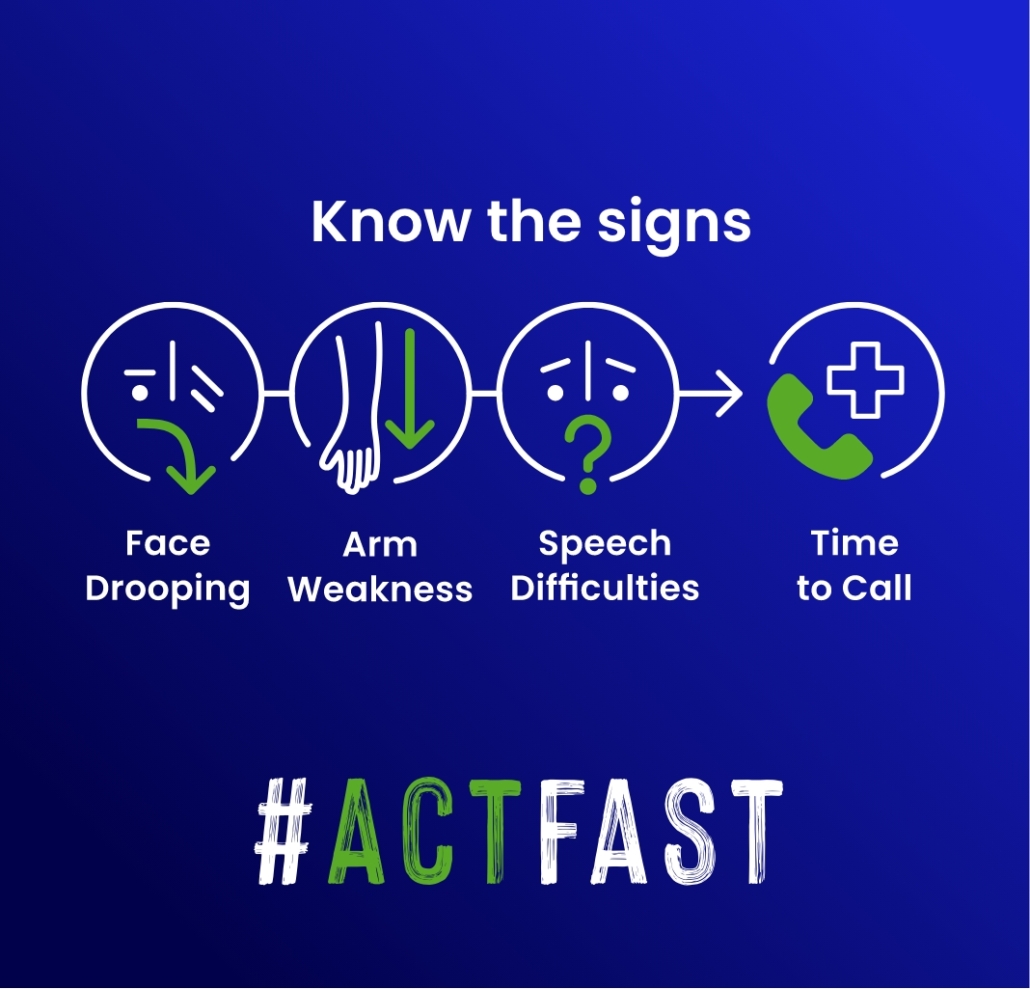
What are the most common symptoms of a stroke?
In Cardiovascular Diseases (CVDs): Common Symptoms of Cardiovascular Disease – Symptoms of Heart Attack and Stroke the World Health Organization elaborate on:
- Numbness of the face, arm, or leg, especially on one side of the body
- Confusion, difficulty speaking or understanding speech
- Difficulty seeing with one or both eyes
- Difficulty walking, dizziness and/or loss of balance or coordination
- Severe headache with no known cause; and/or
- Fainting or unconsciousness.
People experiencing these symptoms should seek medical care immediately”.7
Women’s Symptoms
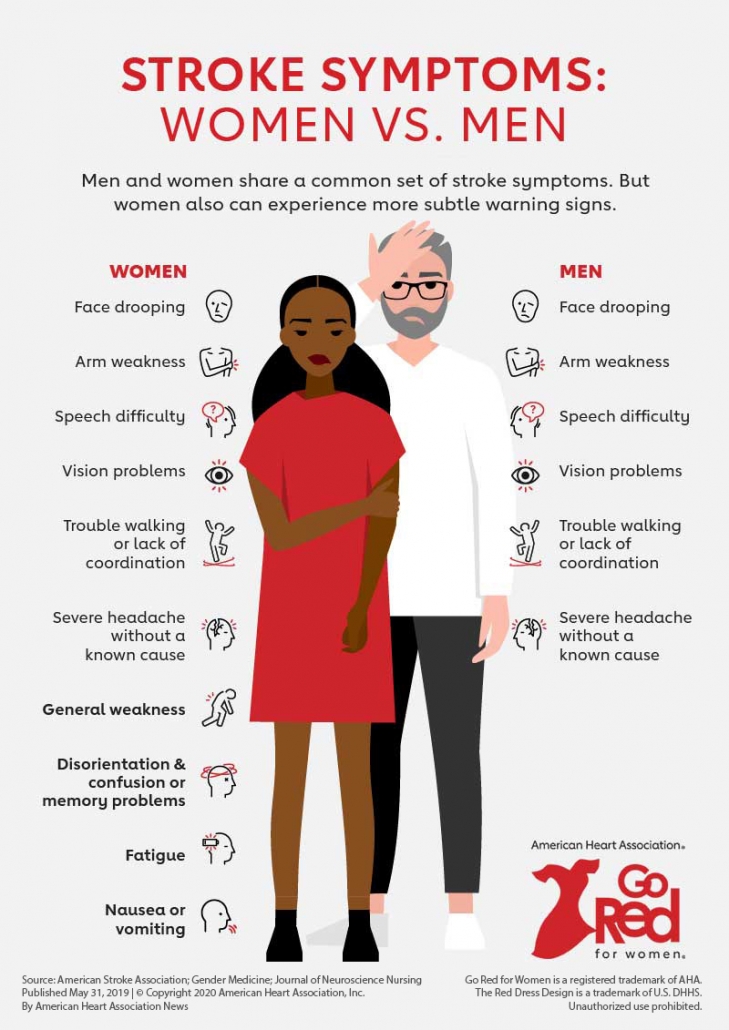
What symptoms may women report that are different from the common symptoms?
In Symptoms of A Stroke In Women: How Do I Know If I’m Having A Stroke? Additional Stroke Symptoms That Might Be Seen In Women the American Heart Association’s Go Red for Women elaborate on:
- “Disorientation and confusion or memory problems
- Fatigue
- Nausea or vomiting”.8
Emergency Numbers
Can different countries have different emergency telephone numbers?
High Blood Pressure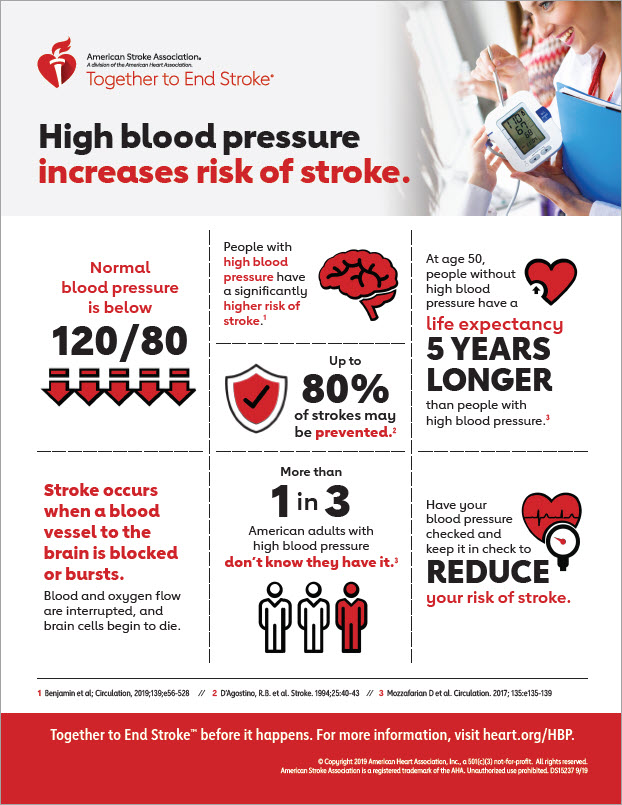
Is there an association between high blood pressure (HBP) and stroke?
In Risk Factors Under Your Control: High Blood Pressure the ASA note:
Common or Not
How common is stroke?
In the United States according to the the American Stroke Association in About Stroke:
Women
In women, how common is stroke?
In Stroke: About Women and Stroke – Overview the CDC elaborate on:
 “Stroke is a leading cause of death for women. In the United States, 1 in 5 women between the ages of 55 and 75 will have a stroke.
Surprised? You’re not alone. Many women do not know their risk of having a stroke”.11
Affect
How may a person be affected by stroke?
In Effects of Stroke the ASA explain:
WISEWOMAN
What is the (United States) WISEWOMAN program?
In WISEWOMAN: About WISEWOMAN – Overview the CDC elaborate on:
Health Care Provider
What if I think I am at risk of stroke or I have a family history of cardiovascular disease (CVD)?
If you think you are at risk of stroke or you have a family history of CVD, it may be in your best interest to choose to talk to your health care provider about this.
In Prevention of Diseases After Menopause: Cardiovascular Diseases the authors note:
Health Topics A-Z
Where may I find Health Topics A-Z related to Stroke?
In Health Topics A-Z you may find:
Links
Where may I find Links related to Stroke?
Your Country may have Links similar to:
Links
This Links List to third party websites is neither comprehensive nor exhaustive. Inclusion on this Links List does not imply endorsement or recommendation. Non-inclusion on this Links List does not imply non-endorsement or non-recommendation. Third party websites are not under the control of Meno Martha International Menopause Directory. Third party websites may contain explicit medical images and/or sexual references. Please read Meno Martha International Menopause Directory’s Links Policy before proceeding to a Link. Please contact Webmaster if you experience a problem with a Link.New or Updated
- Leading Health Groups Redefine Heart Health for Girls and Women [26 October 2026]
- Mayo Clinic Minute: Know the Risk Factors To Prevent Stroke [21 May 2026]
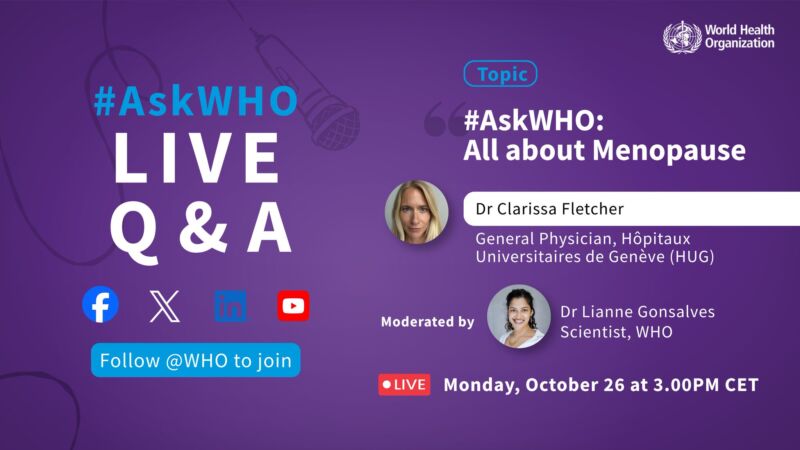
- Menopause Awareness And Insights [14 October 2026]
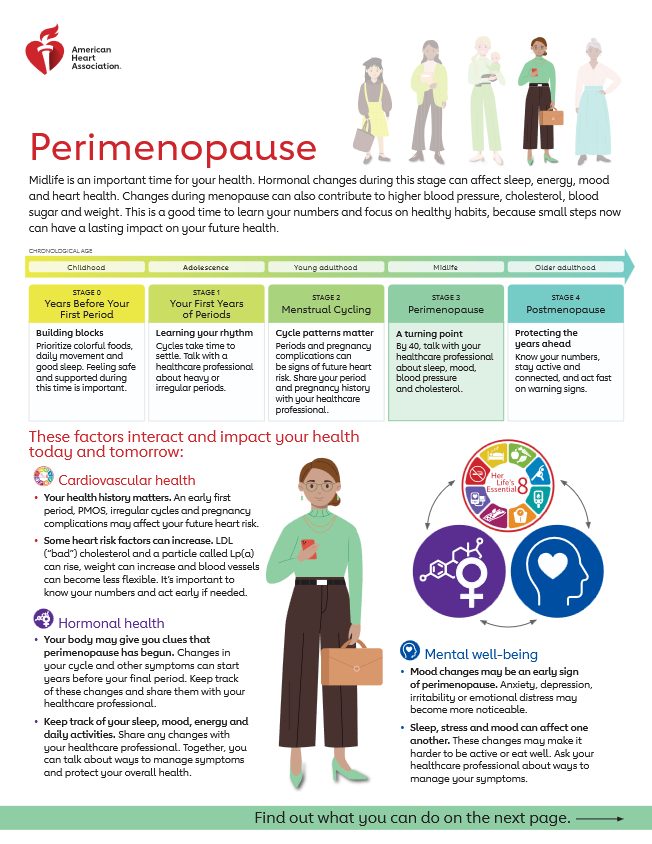
- Perimenopause [October 2026]
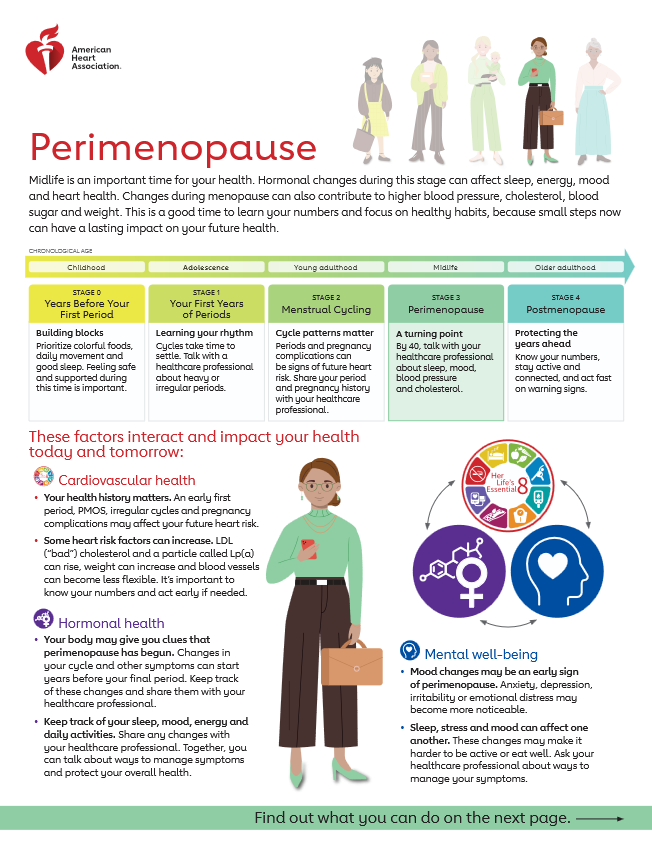
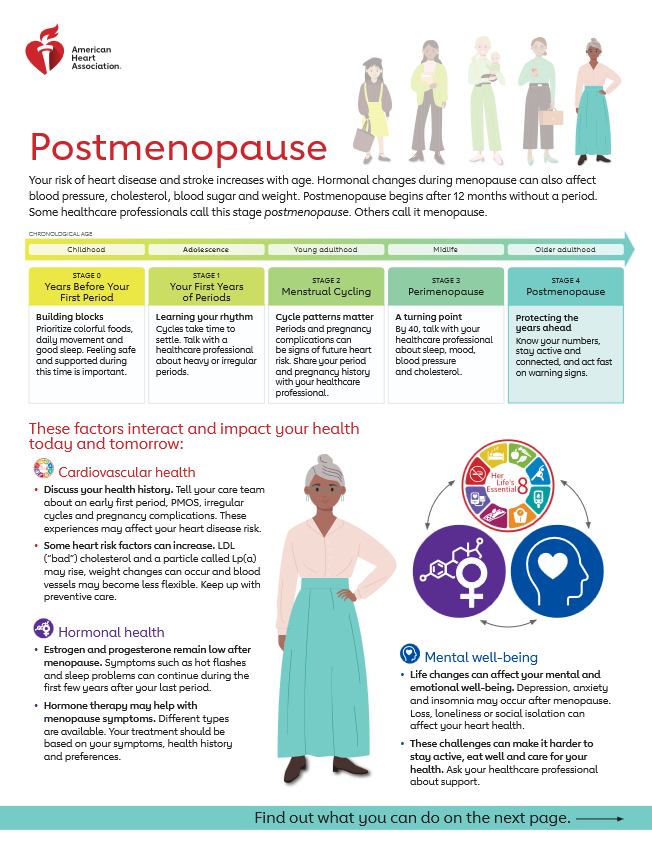
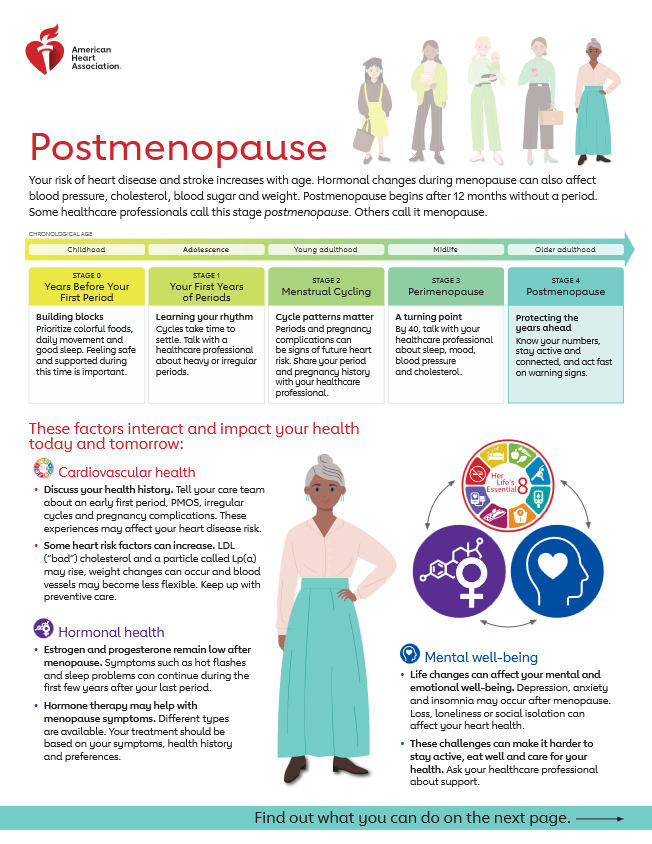
- Postmenopause [October 2026]
- The Menopause Society Show: Menopause & Cardiovascular Health [12 September 2026]
- Women & CVD

- World Stroke Day [29 October]
- 2024 Guideline for the Primary Prevention of Stroke: A Guideline From the American Heart Association/American Stroke Association
- 7 Things To Know About How Stroke Is Different for Women
- A Mayo Clinic Expert Explains Aphasia
- A Female-Specific Life Course Approach to the Prevention and Management of Cardiovascular Disease: A Presidential Advisory From the American Heart Association, American Academy of Pediatrics, American College of Obstetricians and Gynecologists, and Society for Maternal-Fetal Medicine
- About Stroke
- About Stroke
- About Women and Stroke
- American Stroke Association
- American Stroke Month [May]
- Aphasia and Stroke
- Atherosclerosis and Stroke
- Cardiovascular Diseases (CVDs)
- Comprehensive Centers of Excellence for Women’s Cardiovascular Care: A Science Advisory From the American Heart Association, American Academy of Pediatrics, American College of Obstetricians and Gynecologists, and Society for Maternal-Fetal Medicine
- Consensus Guidance for the Female-Specific Prevention and Management of Cardiovascular Disease: A Scientific Statement From the American Heart Association, American Academy of Pediatrics, American College of Obstetricians and Gynecologists, and Society for Maternal-Fetal Medicine
- Effects of Stroke
- Empoweredtoserve.org [EmPOWERED To Serve]
- From Contraception To Menopause: Why Women Face A Higher Risk of Stroke
- Goredforwomen.org [Go Red for Women]
- Healthy Lifestyle
- Heart Attack and Stroke Symptoms: Warnings Signs of Heart Attack, Stroke & Cardiac Arrest
- Heart Disease and Stroke
- Heart Health and Cardiovascular Disease (CVD)
- High Blood Pressure
- High Blood Pressure and Stroke
- High Blood Pressure and Women
- Hypertension
- Know Stroke. Know the Signs. Act In Time.
- Know Your Numbers They Could Just Save Your Life
- Know Your Risk
- Leading Health Groups Redefine Heart Health for Girls and Women
- Learn the Signs [5 Videos]
- Lower Your Risk of Stroke
- Life’s Essential 8
- Mayo Clinic Minute: Know the Risk Factors To Prevent Stroke
- Mayo Clinic Minute: Poor Sleep Can Be Linked To Stroke [+ Video Courtesy: Mayo Clinic News Network]
- Mayo Clinic Q and A: 5 Things To Know About Stroke
- Menopause Awareness And Insights
- Millionhearts.hhs.gov
- National Center for Complementary and Integrative Health: Cardiovascular Disease
- National Institute of Neurological Disorders and Stroke: All Disorders
- Online Events [International Menopause Society]: IMS Partnership Symposia Series – Evaluating High-Risk Patients In Menopause At Risk of Cardiovascular Disease (CVD)
- Online Events [International Menopause Society]: Past Webinars – 2024: Hormones and Stroke: An Update on Treatment and Risk
- Online Events [International Menopause Society]: Past Webinars – 2026: New IMS Recommendations – Lifestyle, Diet, Exercise
- Perimenopause [October 2026]
- Postmenopause
- Prevent Stroke
- Questions About Heart Attack, Blood Pressure, BMI or Stroke? Find Answers Here
- Recovery After Stroke
- Risk Factors Under Your Control
- Stroke
- Stroke
- Stroke
- Stroke
- Stroke
- Stroke
- Stroke
- Stroke Information In Other Languages
- Stroke Prevention
- Stroke Risk Factors
- Stroke Symptoms: F A S T
- Stroke and Alcohol
- Stroke and Atrial Fibrillation
- Stroke and Diet
- Stroke and High Cholesterol
- Stroke and Hypertension
- Stroke and Women
- Stroke vs. Heart Attack: What’s the Difference? [11 February 2026]
- Stroke – Causes, Signs and Symptoms
- Stroke – Causes, Signs and Symptoms: What Is A Stroke [+ Video]
- Stroke – Multiply Languages
- Stroke.org [National Stroke Association, United States]
- Stroke.org.uk [Stroke Association, United Kingdom]
- Stroke: About Stroke
- Stroke: About Women and Stroke
- Stroke: Preventing Stroke
- Stroke: Stroke Risk Factors
- Stroke: Signs and Symptoms
- Stroke: What Is A Stroke?
- Strokefoundation.org.au [Stroke Foundation, Australia]
- TIA (Transient Ischemic Attack)
- The Menopause Society Show: Menopause & Cardiovascular Health
- The Women’s Health Initiative Randomized Trials and Clinical Practice
- Types of Stroke
- Types of Stroke and Treatment
- Videos & Podcasts: Videos – Cardiovascular Disease In Women
- WISEWOMAN [United States]
- Watch, Learn and Live: Hemorrhagic Stroke
- Watch, Learn and Live: Ischemic Stroke
- Watch, Learn and Live: Transient Ischemic Attack
- What Are the Differences In Left vs. Right Brain Strokes?
- What Is A Stroke?
- What Is A Stroke? [Multiply Languages]
- Women & CVD
- Women and Risk of Stroke Infographic
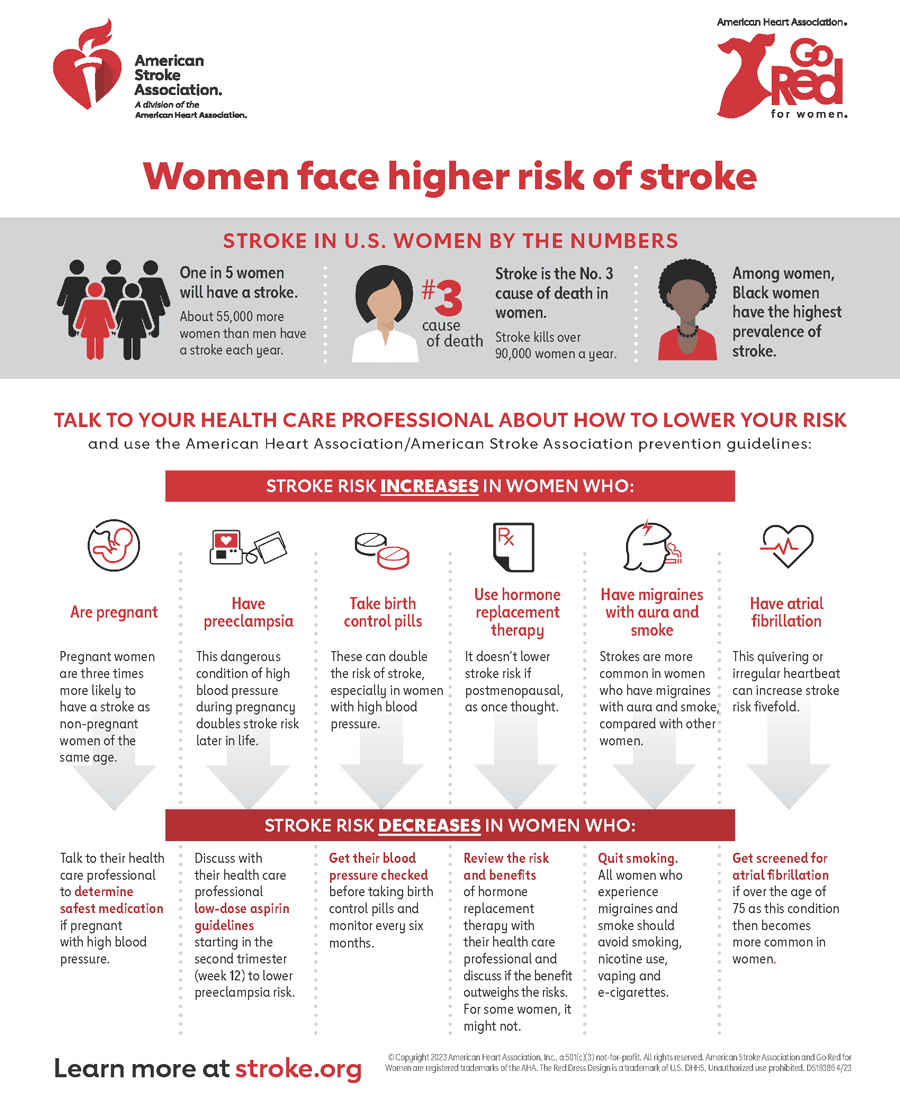
- Women and Stroke
- Women and Stroke
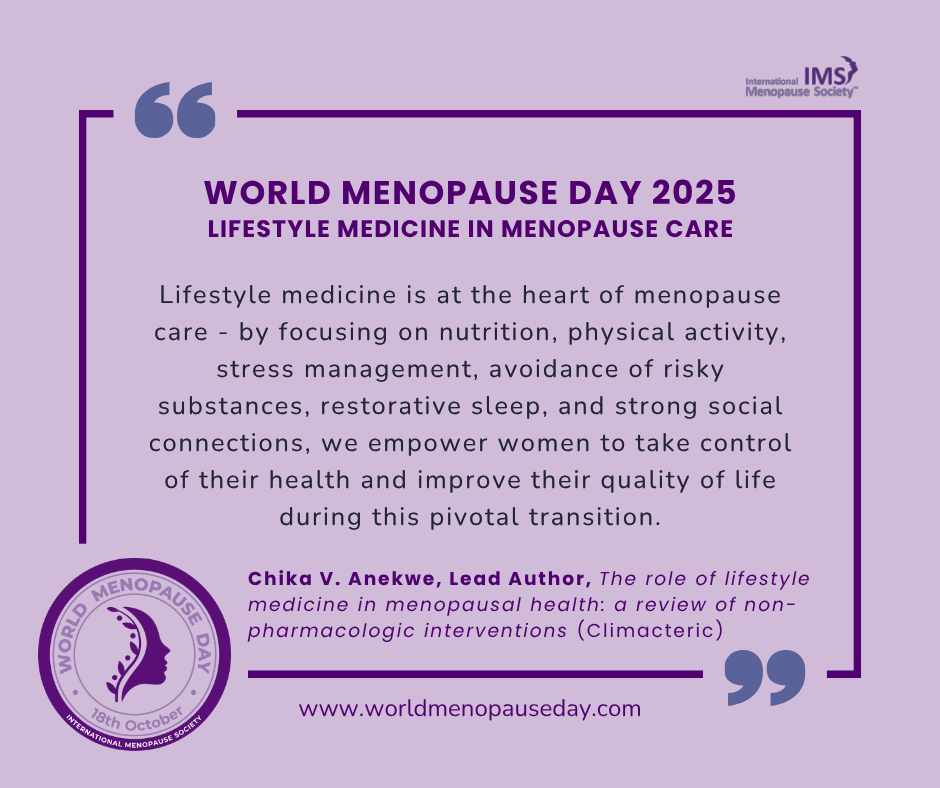
- World Menopause Day 2025
- World Stroke Day [29 October]
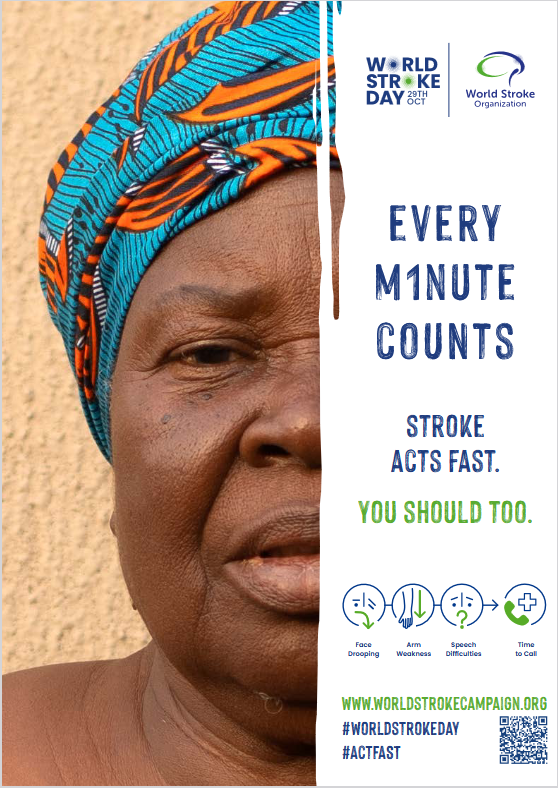
- World-stroke.org [World Stroke Organization]
- Yourethecure.org [You’re the Cure, American Heart Association]
Sources
Where may I find the Sources quoted?
You may find the Sources quoted at:
Sources
- Stroke: About Women and Stroke – Overview. 19 May 2026. Centers for Disease Control and Prevention https://www.cdc.gov/stroke/about/women-and-stroke.html Accessed: 29 October 2026
- About Stroke: What Is Stroke? American Stroke Association https://www.stroke.org/en/about-stroke Accessed: 23 July 2026
- Stroke: About Stroke – What It Is. 15 May 2024. Centers for Disease Control and Prevention https://www.cdc.gov/stroke/about/ Accessed: 29 October 2026
- Stroke: Causes of Stroke – Am I At Risk of Having A Stroke? Published: 01 February 2024. British Heart Foundation https://www.bhf.org.uk/informationsupport/conditions/stroke#risk Accessed: 29 October 2026
- Stroke: Are You At Risk of Having A Stroke? Published: 01 February 2024. British Heart Foundation https://www.bhf.org.uk/informationsupport/conditions/stroke#risk Accessed: 29 October 2026
- Stroke: About Women and Stroke – At-Risk Populations: Why Are African American Women At Higher Risk for Stroke? 19 May 2026. Centers for Disease Control and Prevention https://www.cdc.gov/stroke/about/women-and-stroke.html Accessed: 29 October 2026
- Cardiovascular Diseases (CVDs): Common Symptoms of Cardiovascular Disease – Symptoms of Heart Attack and Stroke. 31 July 2025. World Health Organization https://www.who.int/en/news-room/fact-sheets/detail/cardiovascular-diseases-(cvds) Accessed: 29 October 2026
- Symptoms of A Stroke In Women: How Do I Know If I’m Having A Stroke? Additional Stroke Symptoms That Might Be Seen In Women. Last Reviewed: 31 January 2024. American Stroke Association https://www.goredforwomen.org/en/about-heart-disease-in-women/signs-and-symptoms-in-women/symptoms-of-a-stroke Accessed: 29 October 2026
- Risk Factors Under Your Control: High Blood Pressure. Last Reviewed: 20 May 2025. American Stroke Association https://www.stroke.org/en/about-stroke/stroke-risk-factors/risk-factors-under-your-control Accessed: 29 October 2026
- About Stroke. American Stroke Association https://www.stroke.org/en/about-stroke Accessed: 29 October 2026
- Stroke: About Women and Stroke – Overview. 19 May 2026. Centers for Disease Control and Prevention https://www.cdc.gov/stroke/about/women-and-stroke.html Accessed: 29 October 2026
- Effects of Stroke. American Stroke Association https://www.stroke.org/en/about-stroke/effects-of-stroke Accessed: 29 October 2026
- WISEWOMAN: About WISEWOMAN – Overview. 15 May 2024. Centers for Disease Control and Prevention https://www.cdc.gov/wisewoman/php/about/index.html Accessed: 29 October 2026
- Lobo, R. A., Davis, S. R., De Villiers, T. J., Gompel, A., Henderson, V. W., Hodis, H. N., Lumsden, M. A., Mack, W. J., Shapiro, S. and Baber, R. J. Prevention of Diseases After Menopause: Cardiovascular Diseases. 2014:7 https://www.imsociety.org/wp-content/uploads/2020/07/wmd-2014-white-pages-english.pdf Accessed: 29 October 2026
Topic Last Updated: 29 October 2026 – Topic Last Reviewed: 29 October 2026