
“The onset of menopause can cause your pelvic floor muscles – just like the rest of the muscles in your body – to weaken. These muscles support the pelvic organs…”.1
Umbrella
What may the Pelvic Floor Disorders Umbrella include?
Depending on the Source (DotS) this Umbrella may include:
- Cystocele
- Enterocele
- Pelvic Floor Disorder (PFD)
- Pelvic Floor Dysfunction
- Pelvic Organ Prolapse (POP)
- Pelvic Prolapse
- Pelvic Support Problems
- Prolapse
- Rectocele
- Weak Pelvic Floor
Pelvic Floor Disorder
What is a pelvic floor disorder (PFD)?
DotS the definition of a PFD may vary. In What Women Need To Know About Their Pelvic Floor: What Are Pelvic Floor Disorders? the (United States) FDA’s Office of Women’s Health (Food and Drug Administration) definition is:
- Pelvic Organ Prolapse
- urinary Incontinence (UI)
- Fecal Incontinence
- Pelvic Pain”.2
Pelvic Floor
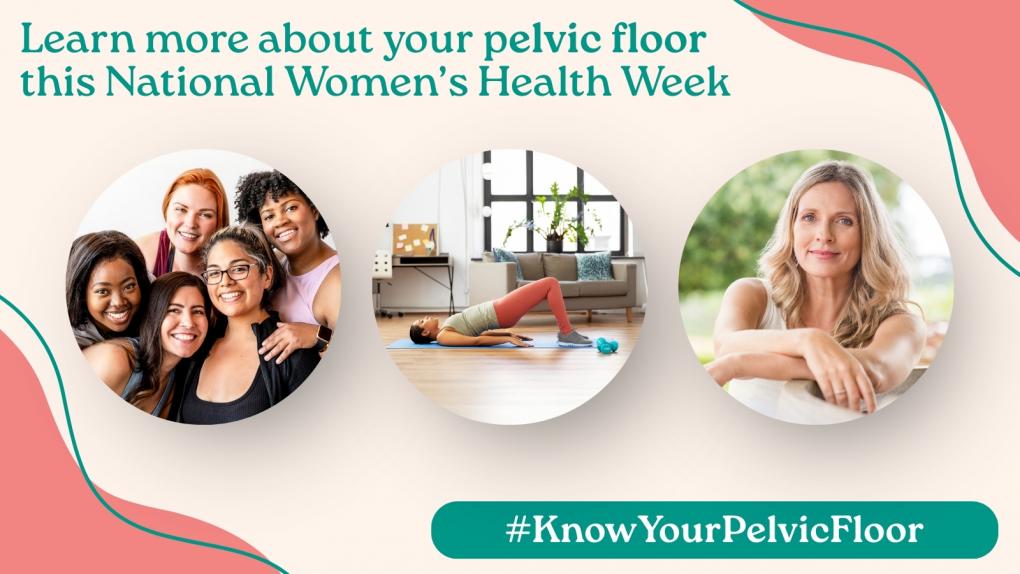
What is the pelvic floor?
DotS the definition of the pelvic floor may vary. In What Women Need To Know About Their Pelvic Floor: Where Is the Pelvic Floor and Why Does It Matter for Women? the FDA’s Office of Women’s Health definition is:
Cause
What causes PFDs?
In What Are PFDs? What Causes PFDs? (United States) Voices for PFD explain:
There are many causes of PFDs. In addition, research is ongoing. Some of the reasons women develop PFDs are better understood than other reasons. There is a strong need for continued research in this field. The PFD Research Foundation funds researchers and clinical scientists looking for the answers”.4
Common or Not
How common are PFDs?
In What Are PFDs? Am I At Risk? Voices for PFD note:
 “One out of four women (25%) 20 years or older suffer with PFDs. Most struggle with one or more PFDs—POP, urinary incontinence (UI), and fecal incontinence (FI—also called anal incontinence or accidental bowel leakage)”.5
Menopause
Is there an association between menopause and PFDs?
Voices for PFD explain:
“The pelvic floor muscles often weaken during menopause, which can lead to the development of pelvic organ prolapse (POP).6
In Menopause the Continence Health Australia’s Pelvic Floor First elaborate on:
 “The onset of menopause can cause your pelvic floor muscles – just like the rest of the muscles in your body – to weaken. These muscles support the pelvic organs, which means that the weakening of these muscles can result in pelvic floor problems. Reduced pelvic floor muscle function around the time of menopause can also be due to weight gain, which is common during menopause.
Other contributing factors may include:
- A less elastic bladder
- Anal trauma resulting from childbirth
- Chronic conditions such as diabetes or asthma which can cause bladder or bowel control problems”.7
Pelvic Organ Prolapse
What is pelvic organ prolapse (POP)?
DotS the definition of a POP may vary. In Pelvic Organ Prolapse the Office on Women’s Health, United States Department of Health and Human Services, Womenshealth.gov’s definition is:
Health Care Provider
Does PFD go away on its own?
In Pelvic Floor Dysfunction: Outlook / Prognosis – Does Pelvic Floor Dysfunction Go Away on Its Own? the (United States) Cleveland Clinic explain:
“Unfortunately, no. Pelvic floor dysfunction symptoms (like an overactive bladder) typically stay or become worse if they’re not treated. Pelvic floor dysfunction is treatable, but you’ll need to see a provider who can diagnose and treat the symptoms”.9
Health Topics A-Z
Where may I find Health Topics A-Z related to Pelvic Floor Disorders?
In Health Topics A-Z you may find:
Links
Where may I find Links related to Pelvic Floor Disorders?
Your Country may have Links similar to:
Links
This Links List to third party websites is neither comprehensive nor exhaustive. Inclusion on this Links List does not imply endorsement or recommendation. Non-inclusion on this Links List does not imply non-endorsement or non-recommendation. Third party websites are not under the control of Meno Martha International Menopause Directory. Third party websites may contain explicit medical images and/or sexual references. Please read Meno Martha International Menopause Directory’s Links Policy before proceeding to a Link. Please contact Webmaster if you experience a problem with a Link.New or Updated
- About Pelvic Floor Disorders
- Bladder Health
- Bladder Control
- Bladder Issues Common for Women of All Ages [+ Video Courtesy: Mayo Clinic News Network. Name Super/CG: Olivia Cardenas-Trowers, M.D./Gynecology/Mayo Clinic]
- Bladder Leakage: How To Talk To Your Doctor
- Bowel Control
- Bowel Health
- Consumer Video and Podcast Series: 2024 Consumer Videos and Podcasts – Preparing for Your Menopause Health Care Visit
- Continence.org.au [Continence Health Australia]
- EMAS On-Demand Webinars [European Menopause and Andropause Society] [Multiply Languages]: Genitourinary Syndrome of Menopause (GSM): Diagnosis and Evidence-Based Management
- FAQs
- FAQs: Pelvic Support Problems
- FAQs: Surgery for Pelvic Organ Prolapse
- Fact Sheets, Patient Summaries and Downloads
- Fact Sheets, Patient Summaries and Downloads: Additional Downloadable Content – First Visit With A Urogynecologist
- Fact Sheets, Patient Summaries and Downloads: Additional Downloadable Content – Talking to Your Doctor
- Fact Sheets, Patient Summaries and Downloads: Additional Downloadable Content – What Is A Urogynecologist?
- Fact Sheets, Patient Summaries and Downloads: Pelvic Floor Muscle Exercises and Bladder Training
- Fact Sheets, Patient Summaries and Downloads: Pelvic Organ Prolapse
- Fact Sheets, Patient Summaries and Downloads: Vaginal Pessaries
- Genitourinary Syndrome of Menopause
- Glossary
- Helpful Organizations
- Mayo Clinic Q and A: Surgical and Nonsurgical Treatment Options for Vaginal Prolapse
- Menopause
- Menopause
- Menopause and Incontinence
- Midlife Weight Gain
- Online Events [International Menopause Society]: IMS Partnership Symposia Series – It Is Not Just Incontinence – Common Bladder Problems Around Menopause
- Online Events [International Menopause Society]: Past Webinars – 2025: The Burn, the Itch, the Pain, the Urge: GSM In Women
- Pelvic Exam Techniques
- Pelvic Floor Disorder Awareness [+ Video]
- Pelvic Floor Dysfunction
- Pelvic Floor Dysfunction: Prevention and Non-Surgical Management [NICE guideline [NG210]]
- Pelvic Floor Exercises
- Pelvic Floor Exercises for Women
- Pelvic Floor Health | Dr Louise Newson LIVE
- Pelvic Inflammatory Disease
- Pelvic Organ Prolapse
- Pelvic Organ Prolapse
- Pelvic Organ Prolapse
- Pelvic Organ Prolapse
- Pelvic Organ Prolapse
- Pelvic Organ Prolapse
- Pelvic Organ Prolapse Causes and Treatment
- Pelvic Organ Prolapse and Pelvic Floor Support
- Prolapse
- Talk About “It”
- The Pelvic Floor
- The pelvicfloorsociety.org.uk [The Pelvic Floor Society, United Kingdom]
- Treatments
- Understanding Pelvic Organ Prolapse [+ Videos]
- Uterine Prolapse
- Voicesforpfd.org [Voices for Pelvic Floor Disorders]
- Voicesforpfd.org [Voices for Pelvic Floor Disorders]: Animated Videos
- What Are PFDs?
- What Is A Pelvic Organ Prolapse Look Like
- What Is Vaginismus and How To Manage It
- What Women Need To Know About Their Pelvic Floor
- Women: Pelvic Floor Exercise
- Working Your Pelvic Floor
- World Continence Week 2026 [15-21 June 2026]
Sources
Where may I find the Sources quoted?
You may find the Sources quoted at:
Sources
- Menopause. Pelvic Floor First https://www.pelvicfloorfirst.org.au/pages/going-through-menopause-or-post-menopausal.html Accessed: 07 March 2026
- What Women Need To Know About Their Pelvic Floor: What Are Pelvic Floor Disorders? 07 May 2025. Food and Drug Administration’s Office of Women’s Health https://www.fda.gov/consumers/knowledge-and-news-women-owh-blog/what-women-need-know-about-their-pelvic-floor Accessed: 07 March 2026
- What Women Need To Know About Their Pelvic Floor: Where Is the Pelvic Floor and Why Does It Matter for Women? 07 May 2025. Food and Drug Administration’s Office of Women’s Health https://www.fda.gov/consumers/knowledge-and-news-women-owh-blog/what-women-need-know-about-their-pelvic-floor Accessed: 07 March 2026
- What Are PFDs? What Causes PFDs? Voices for PFD https://www.voicesforpfd.org/about/what-are-pfds/ Accessed: 07 March 2026
- What Are PFDs? Am I At Risk? Voices for PFD https://www.voicesforpfd.org/about/what-are-pfds/ Accessed: 07 March 2026
- What Are PFDs? Check Your PFD Risk: Life Stage – Menopause. Voices for PFD https://www.voicesforpfd.org/about/what-are-pfds/ Accessed: 07 March 2026
- Menopause. Pelvic Floor First https://www.pelvicfloorfirst.org.au/pages/going-through-menopause-or-post-menopausal.html Accessed: 07 March 2026
- Pelvic Organ Prolapse. Page Last Updated: 24 October 2025. NHS https://womenshealth.gov/a-z-topics/pelvic-organ-prolapse Accessed: 07 March 2026
- Pelvic Floor Dysfunction: Outlook / Prognosis – Does Pelvic Floor Dysfunction Go Away on Its Own? Last Reviewed: 12 January 2024. Cleveland Clinic https://my.clevelandclinic.org/health/diseases/14459-pelvic-floor-dysfunction Accessed: 07 March 2026
Topic Last Updated: 20 July 2026 – Topic Last Reviewed: 07 March 2026