
“Safer sex is not just about protection from
unplanned pregnancies and sexually transmitted infections
(STIs). It’s also about making sure everyone involved…”.1
Umbrella
What may the Safer Sex Umbrella include?
Depending on the Source (DotS) this umbrella may include:
- Safe Sex
- Safer Sex
Definition
What is safer sex?
DotS the definition of safer sex may vary. The (Australian) Jean Hailes for Women’s Health (JH) definition is:
Tell or Not
Can you tell if a sexual partner has an STI?
In Safer Sex and Sexually Transmitted Infections (STIs): How To Have Safer Sex the JH explain:
“Practising safer sex helps protect you from STIs. Anyone can get an STI, even people who look strong and healthy. Some people don’t even know they have an STI”.3
Oral Sex
Is oral sex, safer sex?
According to the JH:
“Oral sex doesn’t reduce the risk of getting an STI. Common STIs such as herpes, gonorrhoea and chlamydia can all be transmitted through unprotected oral sex”.4
Period
Is sex during your period, safer sex?
The JH explain:
 “It’s important to practise safer sex, even when you have your period. If you have unprotected sex during your period you could pass on serious infections like HIV or hepatitis to your partner. This can happen if your partner has any cuts or scrapes on their skin.
If you know you have an infection, it’s best to use a condom or dental dam when having sex during your period”.5
Condoms
Is the use of condoms safer sex?
In Safer Sex and Sexually Transmitted Infections (STIs): How To Have Safer Sex – Condoms and Other Barrier Methods the JH elaborate on:
After A Long-Term Relationship
When starting a new relationship after many years, what may we need to know about safer sex?
In Safer Sex and Sexually Transmitted Infections (STIs): Safer Sex After A Long-Term Relationship the JH note:
 “If you have been in a long-term relationship and, for different reasons, you’re ready to start having sex with other people, it’s important to have safer sex.
STIs are increasing among older women in Australia at a faster rate than among younger women”.7
Postmenopause
is there an association between postmenopause and safe sex?
In Sexual Health: Practice Safe Sex the (United States) Menopause Society (formerly the North American Menopause Society) explain:
Health Care Provider
What if I would like help with safer sex?
If you would like help with safer sex, it may be in your best interest to choose to talk to your health care provider about this.
Health Topics A-Z
Where may I find Health Topics A-Z related to Safer Sex?
In Health Topics A-Z you may find:
Links
Where may I find Links related to Safer Sex?
Your Country may have Links similar to:
Links
This Links List to third party websites is neither comprehensive nor exhaustive. Inclusion on this Links List does not imply endorsement or recommendation. Non-inclusion on this Links List does not imply non-endorsement or non-recommendation. Third party websites are not under the control of Meno Martha International Menopause Directory. Third party websites may contain explicit medical images and/or sexual references. Please read Meno Martha International Menopause Directory’s Links Policy before proceeding to a Link. Please contact Webmaster if you experience a problem with a Link.New or Updated
- About Genital HPV Infection
- About STI Risk and Oral Sex
- About Sexually Transmitted Infections (STIs)
- About Sexually Transmitted Infections (STIs)
- About Sexually Transmitted Infections (STIs): STI or STD?
- About Sexually Transmitted Infections (STIs): Types
- Australian and New Zealand Vulvovaginal Society: Patient Information
- Caredownthere.com.au [Care Down There, Australia]
- Condom Use
- Condom Use: How To Use A Dental Dam
- Condom Use: How To Use An Internal Condom
- Condom Use: Types of Condoms
- Condoms
- Condoms
- Contraception
- Contraception [Multiply Languages]
- Enjoying Your Sex Life
- Essential Information: See Your Doctor If…
- Getting Tested for STIs
- Health Checks for Your Age
- How To Use A Condom
- How To Use An Internal Condom
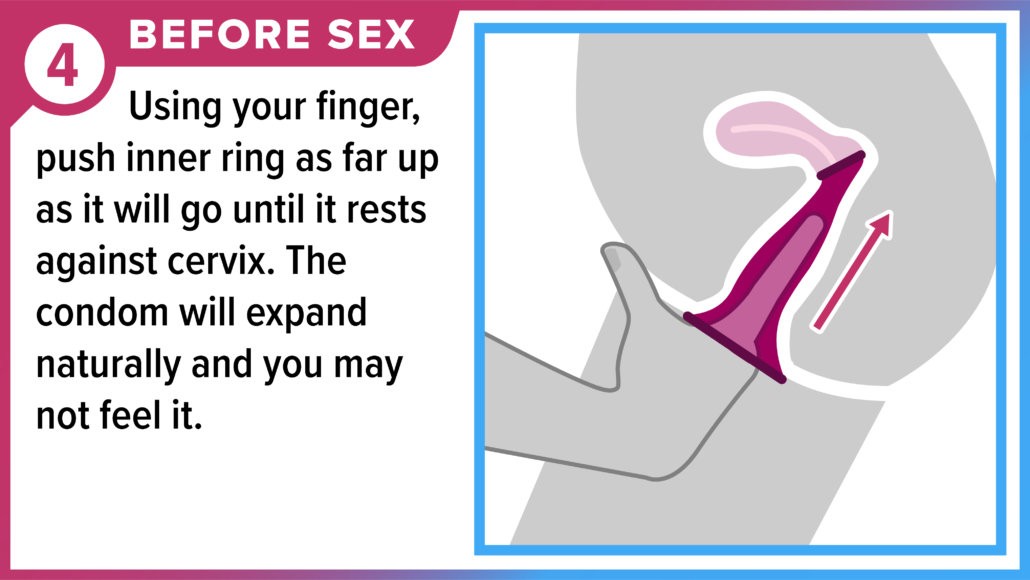
- Internal (Female) Condoms
- International Society for the Study of Vulvovaginal Diseases: Patient Handouts
- International Society for the Study of Women’s Sexual Health: Find A Provider
- Menopause Increases Your Risk of STIs Due To How Aging Changes Your Body
- Navigating Menopause: Sex, Relationships and Well-Being
- Patient Information Leaflets
- Q&A: ‘False Sense of Safety’ Contributes To Rise In STDs After Menopause
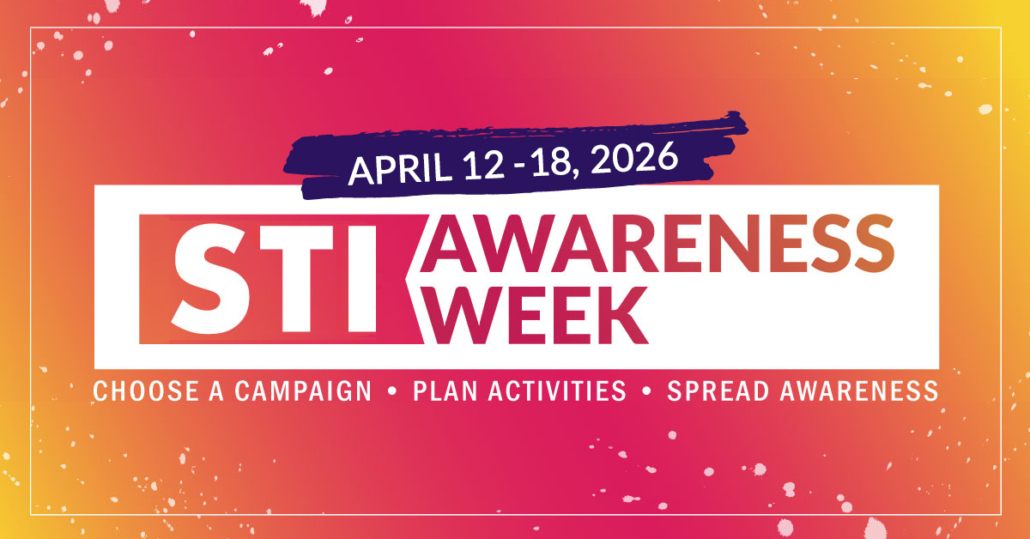
- STI Awareness Week [12-18 April 2026, United States]
- STIs A To Z
- STIs & How to Prevent Them
- Safe Sex
- Safer Sex Guidelines
- Safer Sex [+ Video]
- Safer Sex and Sexually Transmitted Infections (STIs)
- Science In 5: Episode #130 – Syphilis : Protect Yourself and Others
- Sex Activities and Risk
- Sex and Sexual Health
- Sex and Sexual Health As You Age
- Sexual Health
- Sexual Health: Practice Safe Sex
- Sexual Healthcare In Your Teens, 20s and Beyond
- Sexually Transmitted Diseases (STDs): Diagnosis & Treatment
- Sexually Transmitted Diseases (STDs): Symptoms & Causes
- Sexually Transmitted Infections
- Sexually Transmitted Infections (STIs)
- Sexually Transmitted Infections (STIs)
- Sexually Transmitted Infections (STIs)
- World Association for Sexual Health
- World Sexual Health Day [04 September 2026]
- Your Safer Sex Toolbox
Sources
Where may I find the Sources quoted?
You may find the Sources quoted at:
Sources
- Safer Sex and Sexually Transmitted Infections (STIs): Safer Sex. Jean Hailes for Women’s Health https://www.jeanhailes.org.au/health-topics/sex-and-sexual-health/safer-sex-and-sexually-transmitted-infections-stis/ Accessed: 05 October 2026
- Safer Sex and Sexually Transmitted Infections (STIs): Safer Sex. Jean Hailes for Women’s Health https://www.jeanhailes.org.au/health-topics/sex-and-sexual-health/safer-sex-and-sexually-transmitted-infections-stis/ Accessed: 05 October 2026
- Safer Sex and Sexually Transmitted Infections (STIs): How To Have Safer Sex. Jean Hailes for Women’s Health https://www.jeanhailes.org.au/health-topics/sex-and-sexual-health/safer-sex-and-sexually-transmitted-infections-stis/ Accessed: 05 October 2026
- Safer Sex and Sexually Transmitted Infections (STIs): How To Have Safer Sex. Jean Hailes for Women’s Health https://jeanhailes.org.au/health-a-z/sex-sexual-health/safer-sex-stis/ Accessed: 05 October 2026
- Safer Sex and Sexually Transmitted Infections (STIs): How To Have Safer Sex – Sex During Your Period. Jean Hailes for Women’s Health https://jeanhailes.org.au/health-a-z/sex-sexual-health/safer-sex-stis/ Accessed: 05 October 2026
- Safer Sex and Sexually Transmitted Infections (STIs): How To Have Safer Sex – Condoms and Other Barrier Methods. Jean Hailes for Women’s Health https://jeanhailes.org.au/health-a-z/sex-sexual-health/safer-sex-stis/ Accessed: 05 October 2026
- Safer Sex and Sexually Transmitted Infections (STIs): Safer Sex After A Long-Term Relationship. Jean Hailes for Women’s Health https://jeanhailes.org.au/health-a-z/sex-sexual-health/safer-sex-stis/ Accessed: 05 October 2026
- Sexual Health: Practice Safe Sex. Menopause Society https://menopause.org/patient-education/menopause-topics/sexual-health Accessed: 05 October 2026
Topic Last Updated: 05 October 2026 – Topic Last Reviewed: 05 October 2026